Proteomic Analysis Identifies Dysregulated Proteins in Albuminuria: A South African Pilot Study
Siyabonga Khoza, Jaya A. George, Previn Naicker, Stoyan H. Stoychev, June Fabian, Ireshyn S. Govender

TL;DR
This study identifies proteins in urine that could help detect kidney disease early, before traditional markers show issues.
Contribution
The study identifies 80 differentially abundant urinary proteins and an 80-protein model with high predictive accuracy for early kidney disease detection.
Findings
80 proteins were found to be differentially abundant in albuminuric individuals compared to controls.
An 80-protein model predicted cases with 91.3% accuracy.
Key pathways include insulin growth factor functions and extracellular matrix organization.
Abstract
Chronic kidney disease remains a global health priority, only detected at relatively advanced stages by current markers. Identifying alternative markers for early detection is imperative. In this study, we profiled the urinary proteome in patients with albuminuria and well-preserved eGFR. We identified 80 proteins that were differentially abundant between the cases (albuminuria) and controls (normoalbuminuria). Among these, 12 proteins (SERPINA1, ALB, SERPINC1, AFM, PIGR, A1BG, COL6A1, MYG, LV39, MUC1, ICOSLG, and UMOD) had the highest discriminating abilities (area under curve > 0.8) between the cases and controls. When differentially abundant proteins were combined into an 80-protein model, the model was able to predict cases from controls with a predictive accuracy of 91.3%. The top five enriched biological pathways associated with the differentially abundant proteins included…
Genes, proteins, chemicals, diseases, species, mutations and cell lines named across the full text — each resolved to its canonical identifier and authoritative record.
Click any figure to enlarge with its caption.
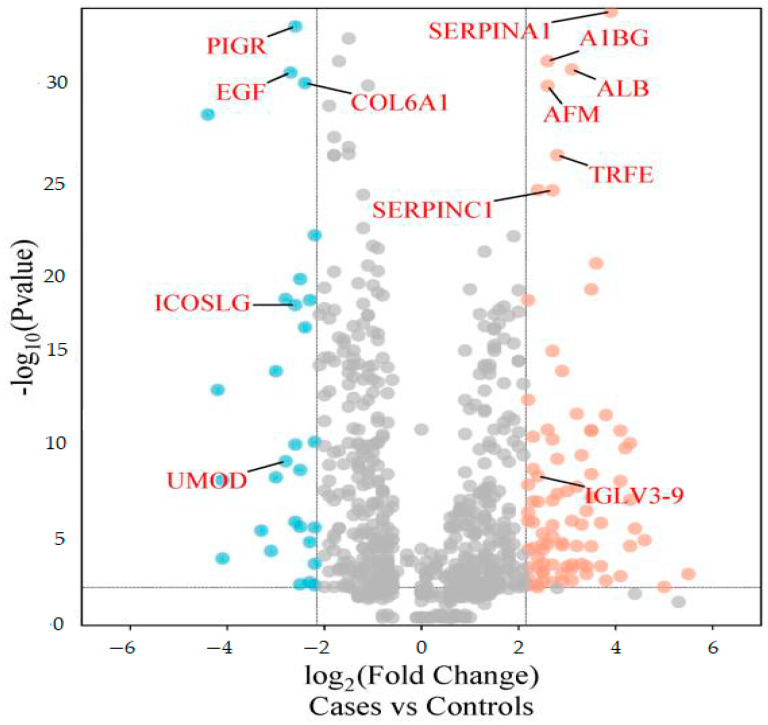 Figure 1
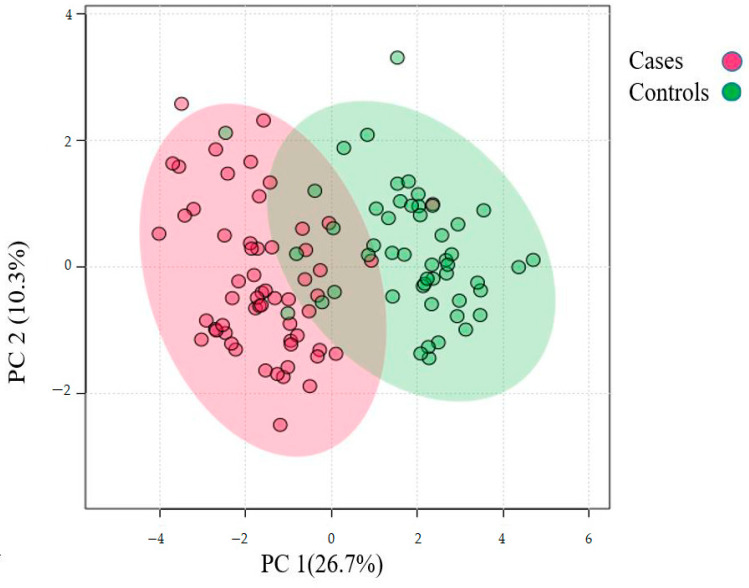 Figure 2
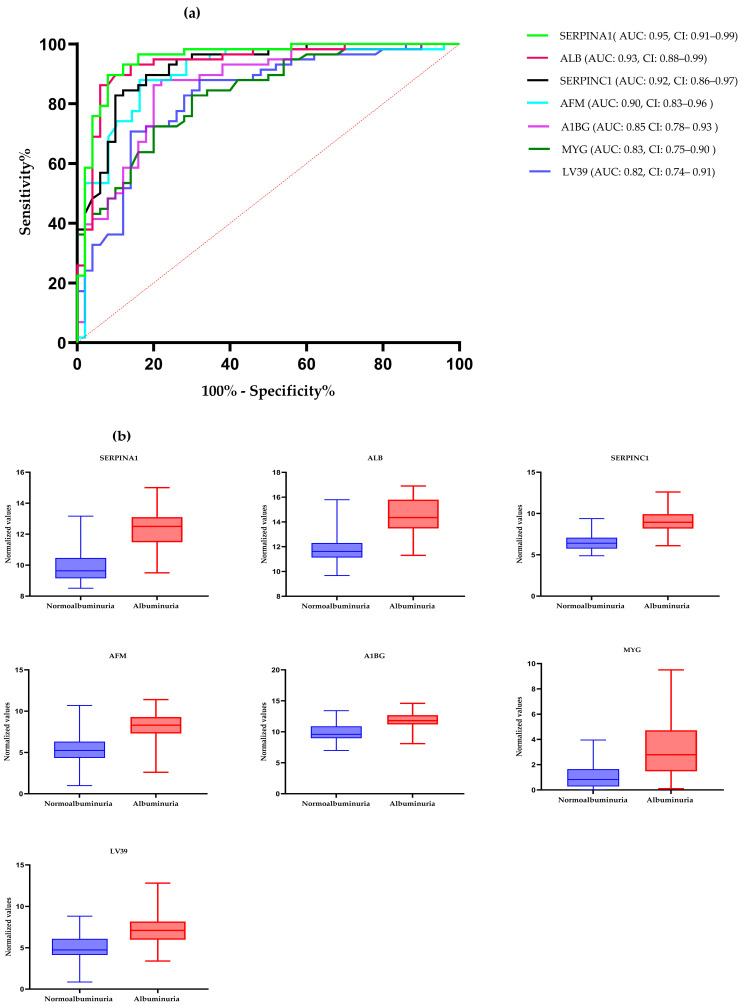 Figure 3
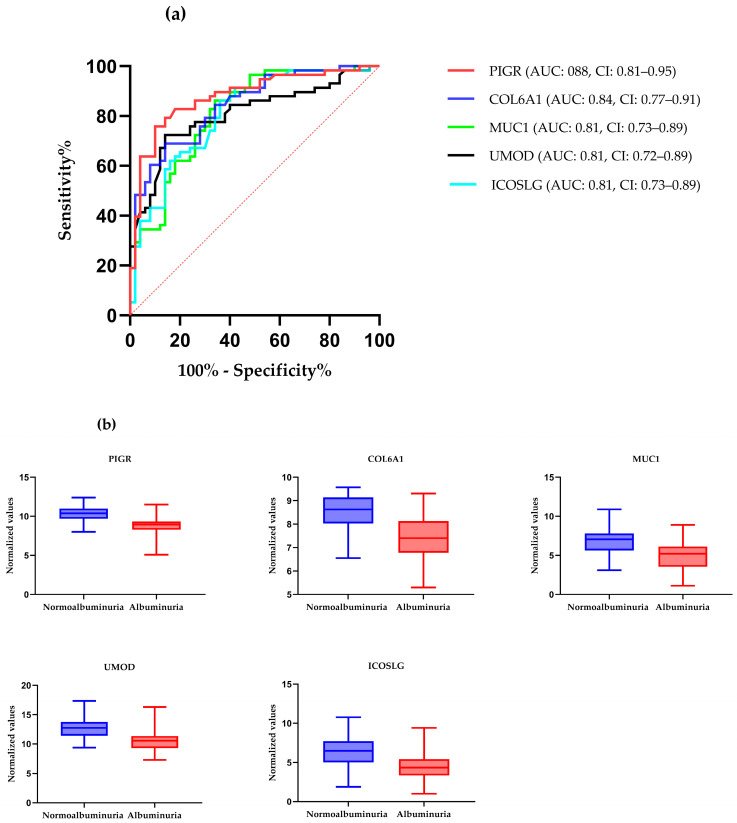 Figure 4
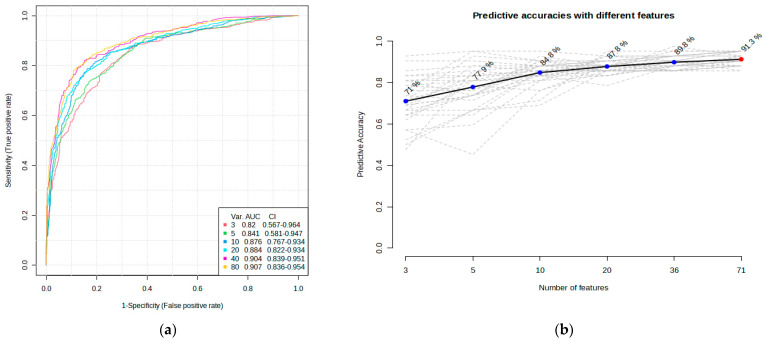 Figure 5
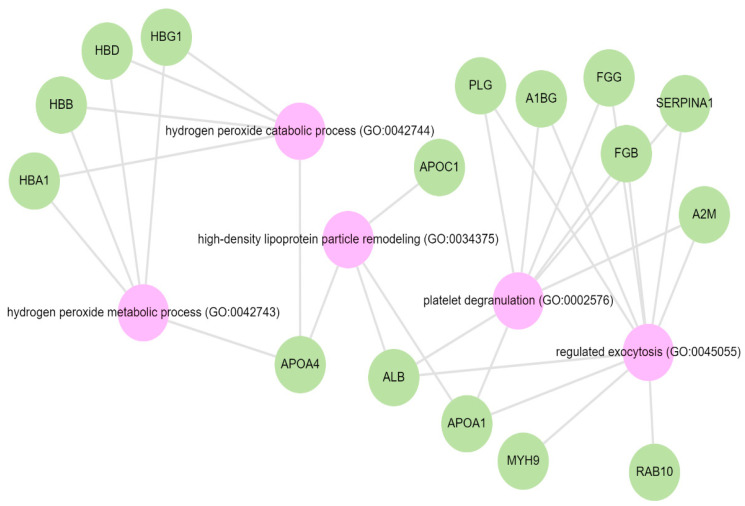 Figure 6
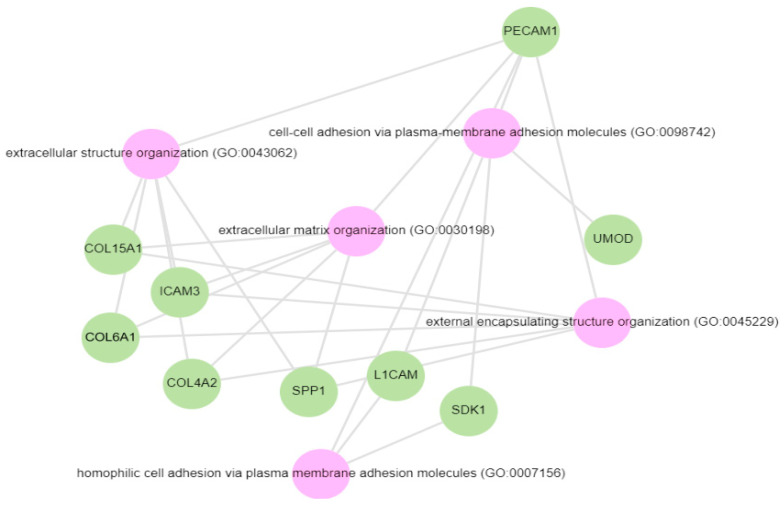 Figure 7
Peer Reviews
No public reviews on file for this paper yet. If you reviewed it on a platform where reviews are public (OpenReview, ICLR, NeurIPS, ICML), you can paste yours below so the community can read it here.
Videos
No videos yet. Explain this paper in a talk, walkthrough, or lecture? Add one.
Taxonomy
TopicsChronic Kidney Disease and Diabetes · Diabetes, Cardiovascular Risks, and Lipoproteins · Liver Disease Diagnosis and Treatment