The Impact of Pressure Training on the Performance of Semi-Professional Female Rugby League Players
Michele Lastella, Sharni Upton, Dean J. Miller

TL;DR
This study found that pressure training did not affect passing performance in female rugby players, but threats of consequences increased perceived pressure.
Contribution
The study provides new insights into how pressure training affects female rugby league players' performance and perception.
Findings
Passing performance was not impacted by pressure training conditions.
Threats of consequences effectively increased perceived pressure in athletes.
Abstract
Background: The aim of this study was to examine the effect of pressure training on the performance of semi-professional female rugby league athletes. Methods: Using a within-subjects design, 16 female athletes (19.9 ± 3.4 years) performed a passing accuracy task under three conditions; (1) a control condition; (2) a physiological fatigue condition; and (3) a threat of consequence condition. Passing performance, perceived pressure, rate of perceived exertion (RPE), and self-confidence were assessed. Results: A significant main effect of conditions was found for rate of perceived exertion (p < 0.001), self-confidence (p < 0.028), and perceived pressure (p = 0.011). There was no main effect of condition on passing performance. Post hoc comparisons revealed that RPE was significantly higher in the physiological fatigue condition when compared to the control (p = 0.009) and threat of…
Genes, proteins, chemicals, diseases, species, mutations and cell lines named across the full text — each resolved to its canonical identifier and authoritative record.
Click any figure to enlarge with its caption.
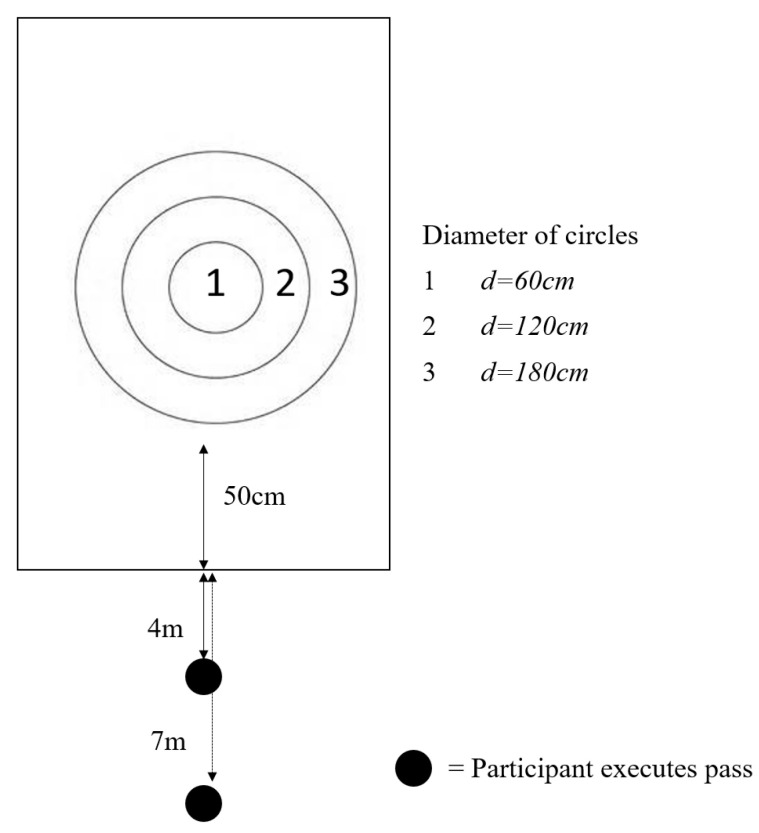 Figure 1
Peer Reviews
No public reviews on file for this paper yet. If you reviewed it on a platform where reviews are public (OpenReview, ICLR, NeurIPS, ICML), you can paste yours below so the community can read it here.
Videos
No videos yet. Explain this paper in a talk, walkthrough, or lecture? Add one.
Taxonomy
TopicsSports Performance and Training · Sport Psychology and Performance · Sports injuries and prevention