A simple and low-cost environmental enrichment program improves the welfare of Calomys callosus, a species that adapts to animal facilities
Sandra Gabriela Klein, Tamires Soares de Assis, Gabriel Silva Pereira, Loyane Bertagnolli Coutinho, Renan Faria Guerra, Matheus Morais Neves, Flávia Batista Ferreira, Isabela Lemos de Lima, Richard Costa Polveiro, Eloisa Amália Vieira Ferro, Murilo Vieira da Silva

TL;DR
A low-cost environmental enrichment program improves the health and reproduction of Calomys callosus in animal facilities.
Contribution
This study introduces the first environmental enrichment protocol for Calomys callosus and shows its positive impact on reproductive and health outcomes.
Findings
Environmental enrichment improved reproductive indices like female precocity and reduced interbirth intervals.
Zootechnical performance improved with more live births and better weaning rates in enriched environments.
Health improved, with fewer cases of non-infectious lumbar alopecia in enriched groups.
Abstract
An environmental enrichment protocol is essential for testing experimental models because it upholds animal welfare, aligns with ethical principles in animal experimentation, and reduces the number of animals needed. Calomys callosus, a South American rodent from the Cricetidae family, is bred in rodent animal facilities for its ease of handling, longevity, prolificacy, and effectively mimicking diseases like Toxoplasmosis, Leishmaniasis, Chagas, and Schistosomiasis. There are no reports on environmental enrichments for this species or their impact on reproductive parameters. This study aimed to analyze the influence of the Environmental Enrichment Program (EEP) on the reproductive and zootechnical performance of C. callosus kept in the Rodents Animal Facilities Complex of Universidade Federal de Uberlândia (UFU). Two experimental groups were established: with environmental enrichment…
Genes, proteins, chemicals, diseases, species, mutations and cell lines named across the full text — each resolved to its canonical identifier and authoritative record.
Click any figure to enlarge with its caption.
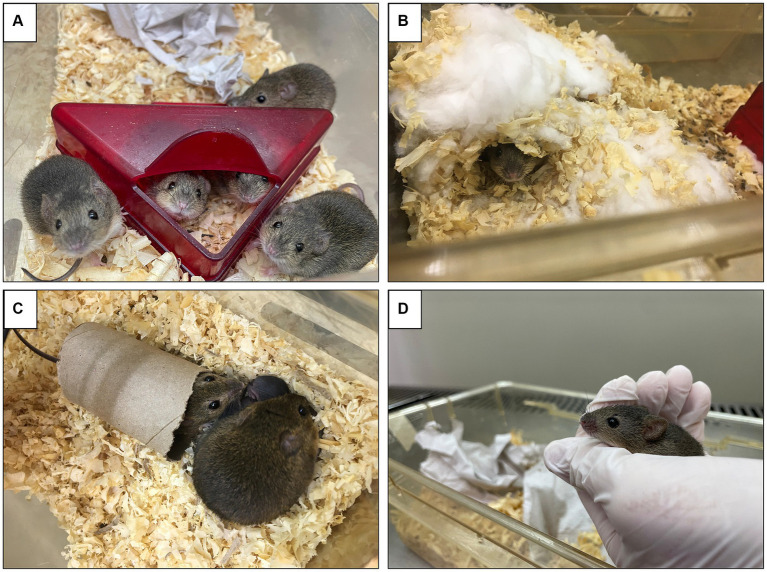 Figure 1
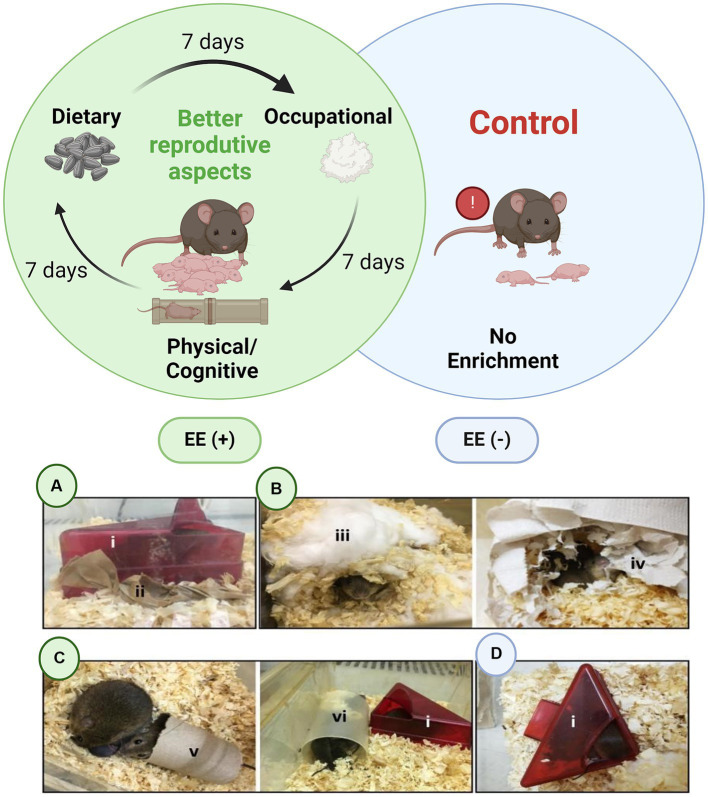 Figure 2
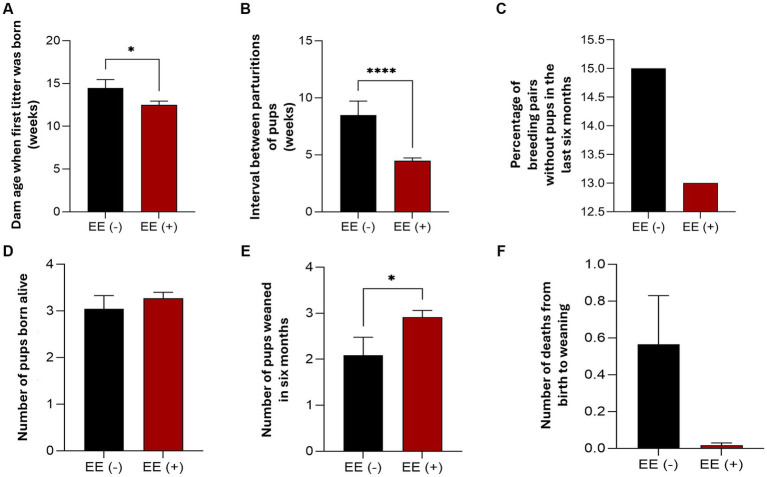 Figure 3
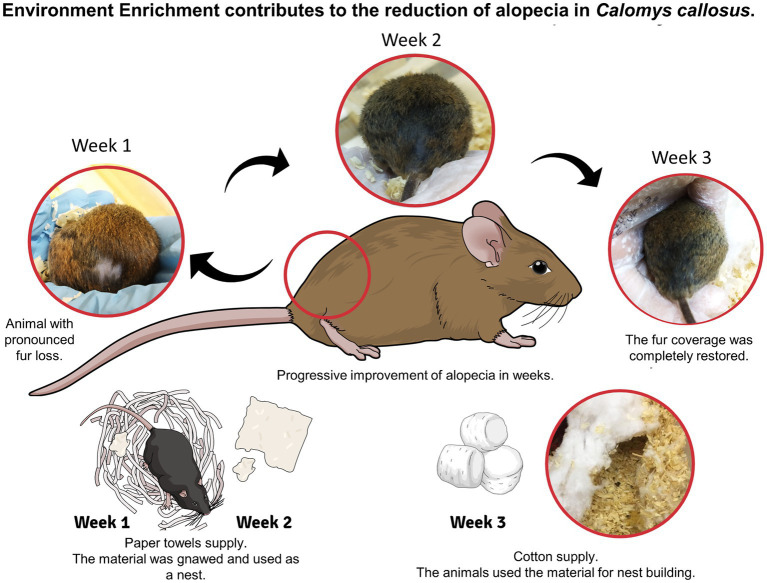 Figure 4
Peer Reviews
No public reviews on file for this paper yet. If you reviewed it on a platform where reviews are public (OpenReview, ICLR, NeurIPS, ICML), you can paste yours below so the community can read it here.
Videos
No videos yet. Explain this paper in a talk, walkthrough, or lecture? Add one.
Taxonomy
TopicsAnimal Ecology and Behavior Studies · Animal Behavior and Welfare Studies · Rabbits: Nutrition, Reproduction, Health