Contact-Map-Driven Exploration of Heterogeneous Protein-Folding Paths
Ziad Fakhoury, Gabriele C. Sosso, Scott Habershon

TL;DR
This paper introduces a new method for exploring different protein-folding paths using contact maps, improving accuracy and reliability compared to previous approaches.
Contribution
The paper introduces a topologically informed metric, a reformulated folding path generation, and a new structural back-mapping algorithm for heterogeneous protein-folding paths.
Findings
The enhanced contact-map-based strategy reliably generates structurally sound folding intermediates.
The method successfully identifies alternative folding mechanisms of a multifolding-pathway protein.
The approach outperforms previous strategies by reducing irrelevant intermediates and aligning with molecular dynamics results.
Abstract
We have recently shown how physically realizable protein-folding pathways can be generated using directed walks in the space of inter-residue contact-maps; combined with a back-transformation to move from protein contact-maps to Cartesian coordinates, we have demonstrated how this approach can generate protein-folding trajectory ensembles without recourse to molecular dynamics. In this article, we demonstrate that this framework can be used to study a challenging protein-folding problem that is known to exhibit two different folding paths which were previously identified through molecular dynamics simulation at several different temperatures. From the viewpoint of protein-folding mechanism prediction, this particular problem is extremely challenging to address, specifically involving folding to an identical nontrivial compact native structure along distinct pathways defined by…
Genes, proteins, chemicals, diseases, species, mutations and cell lines named across the full text — each resolved to its canonical identifier and authoritative record.
Click any figure to enlarge with its caption.
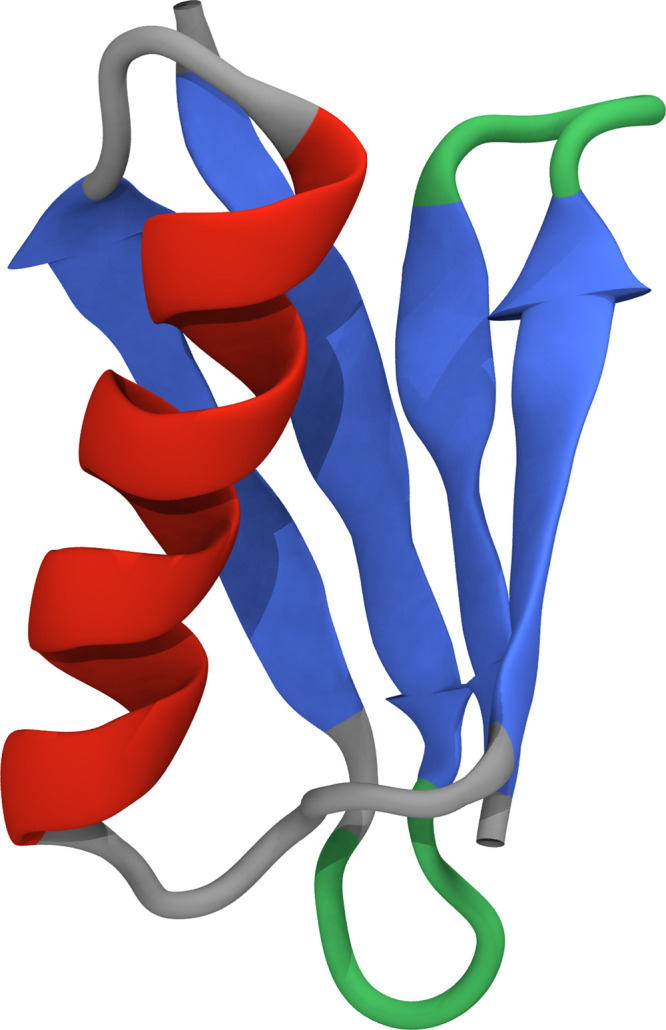 Figure 1
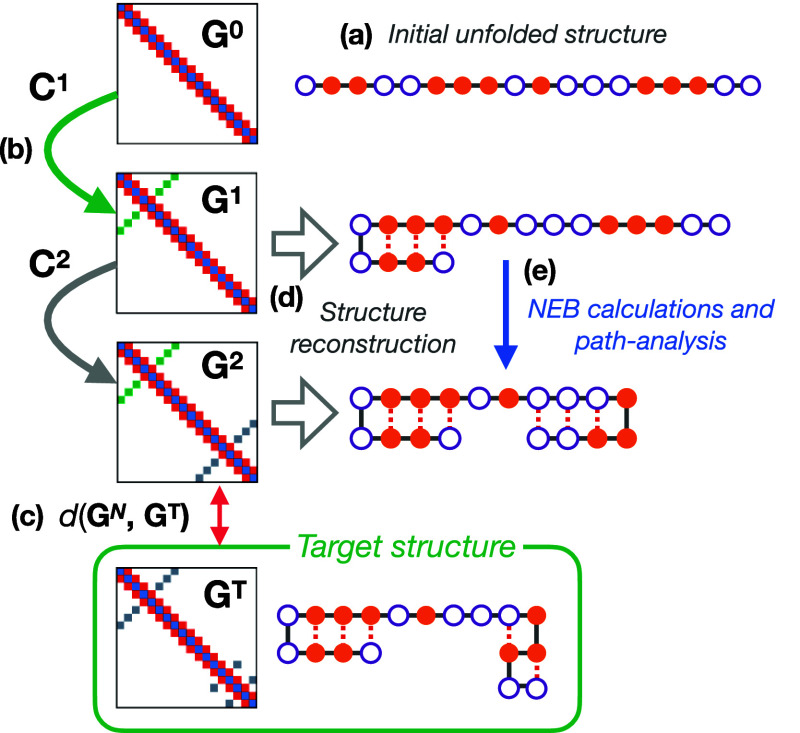 Figure 2
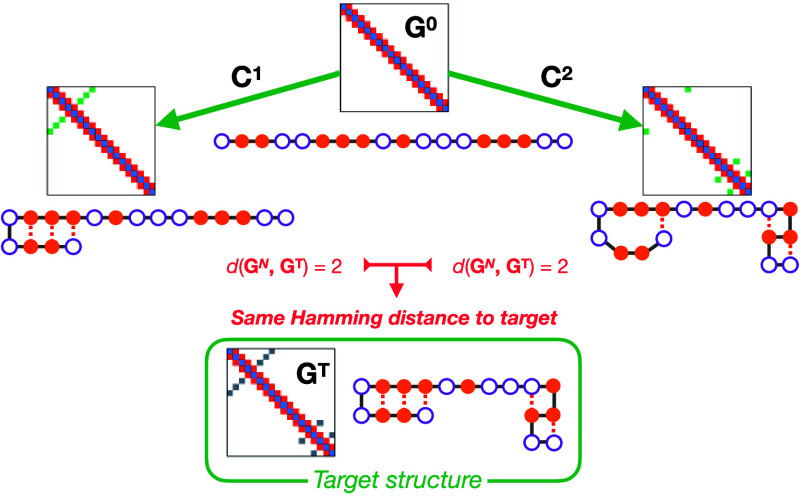 Figure 3
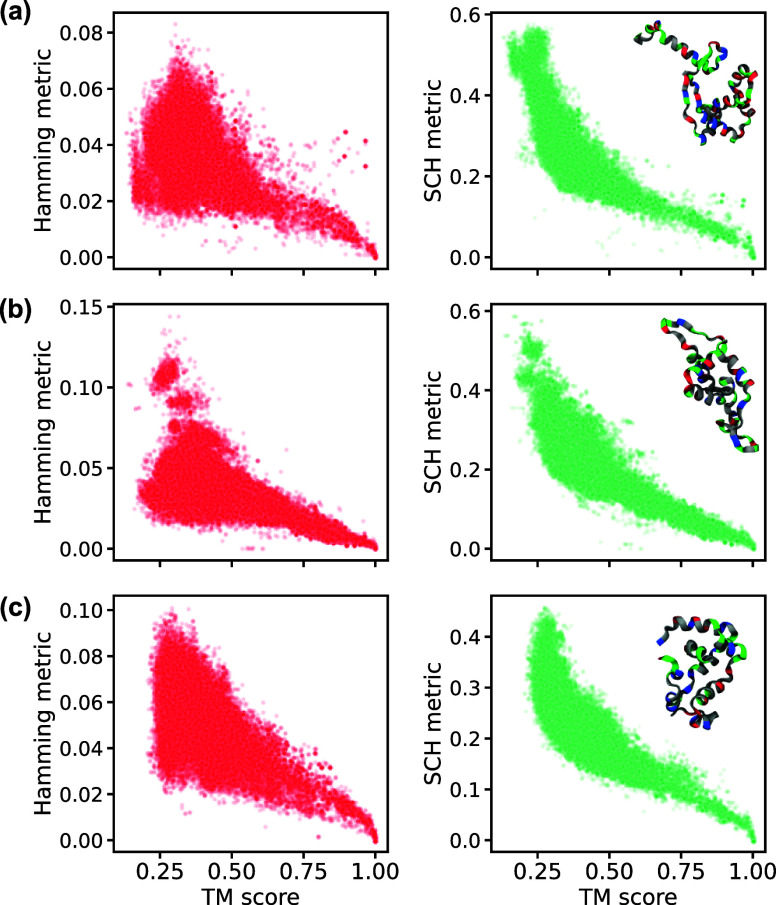 Figure 4
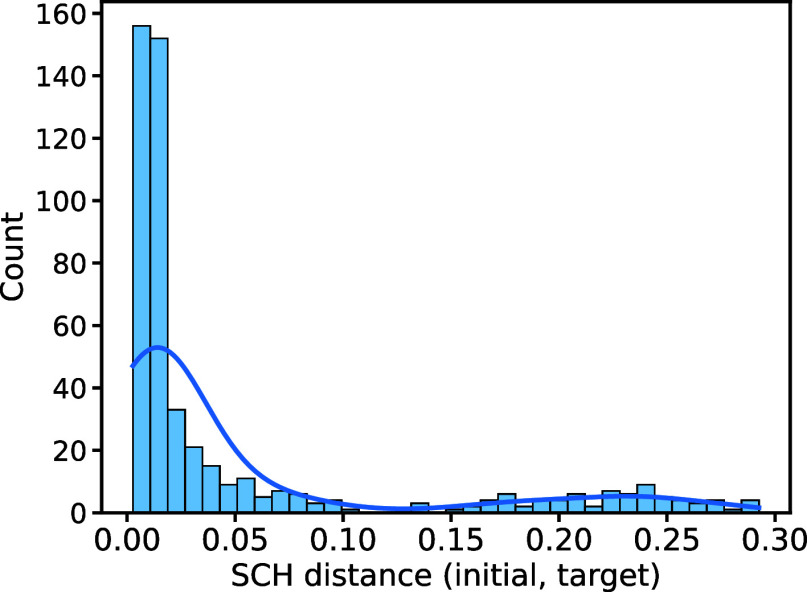 Figure 5
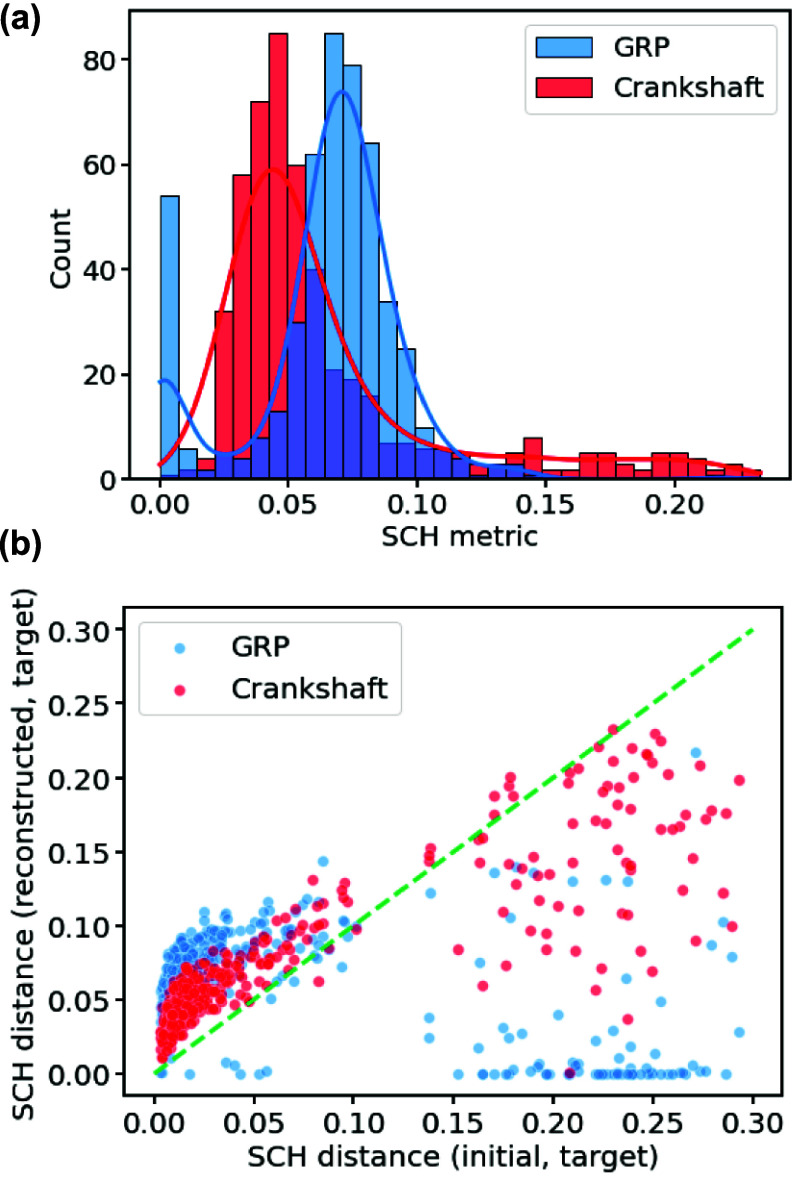 Figure 6
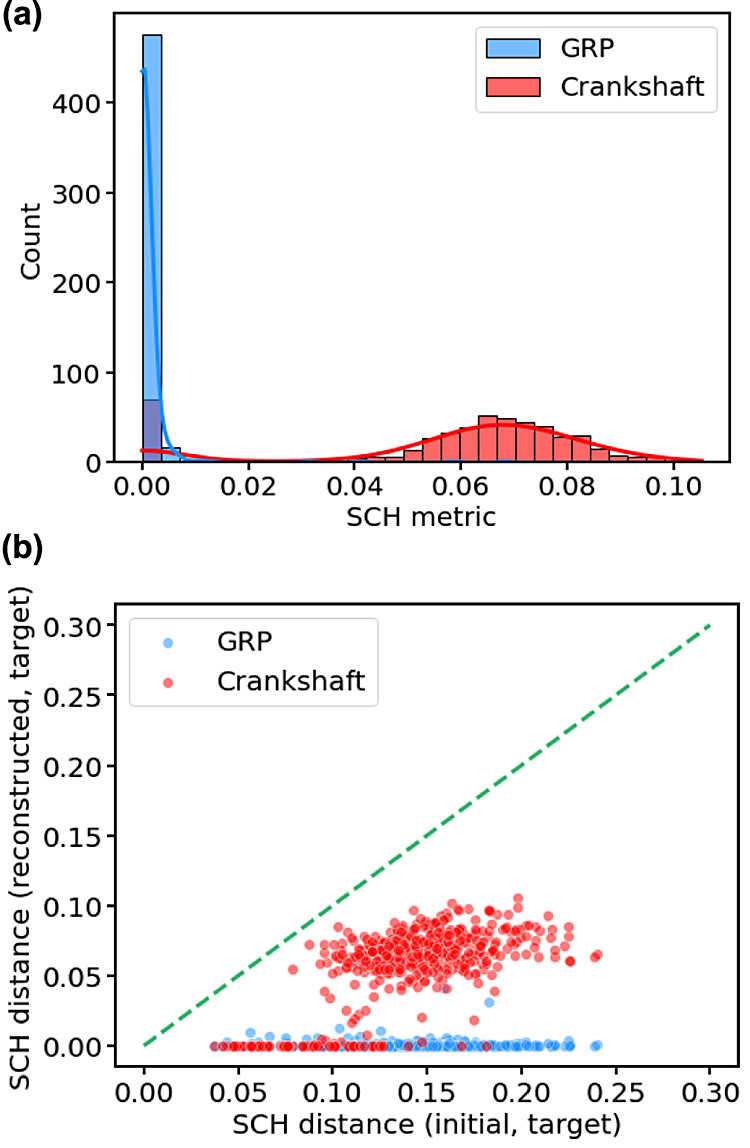 Figure 7
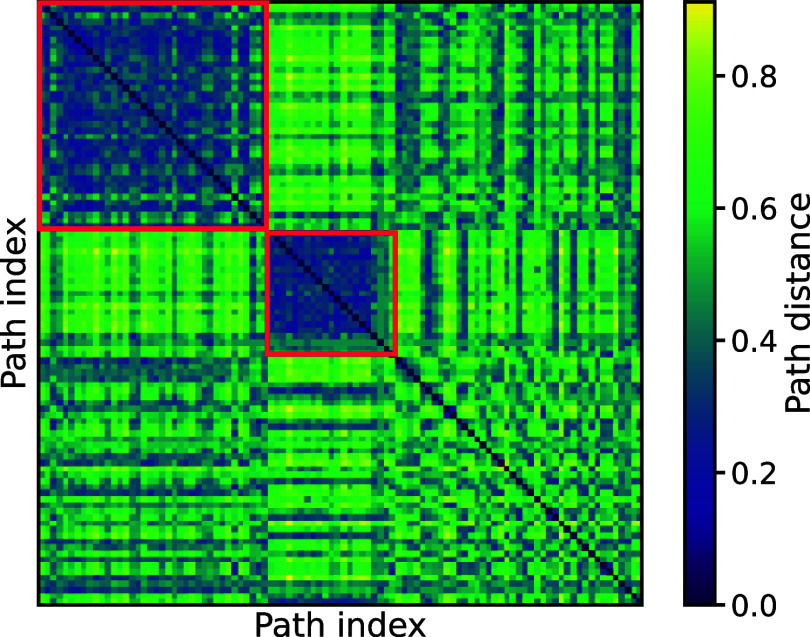 Figure 8
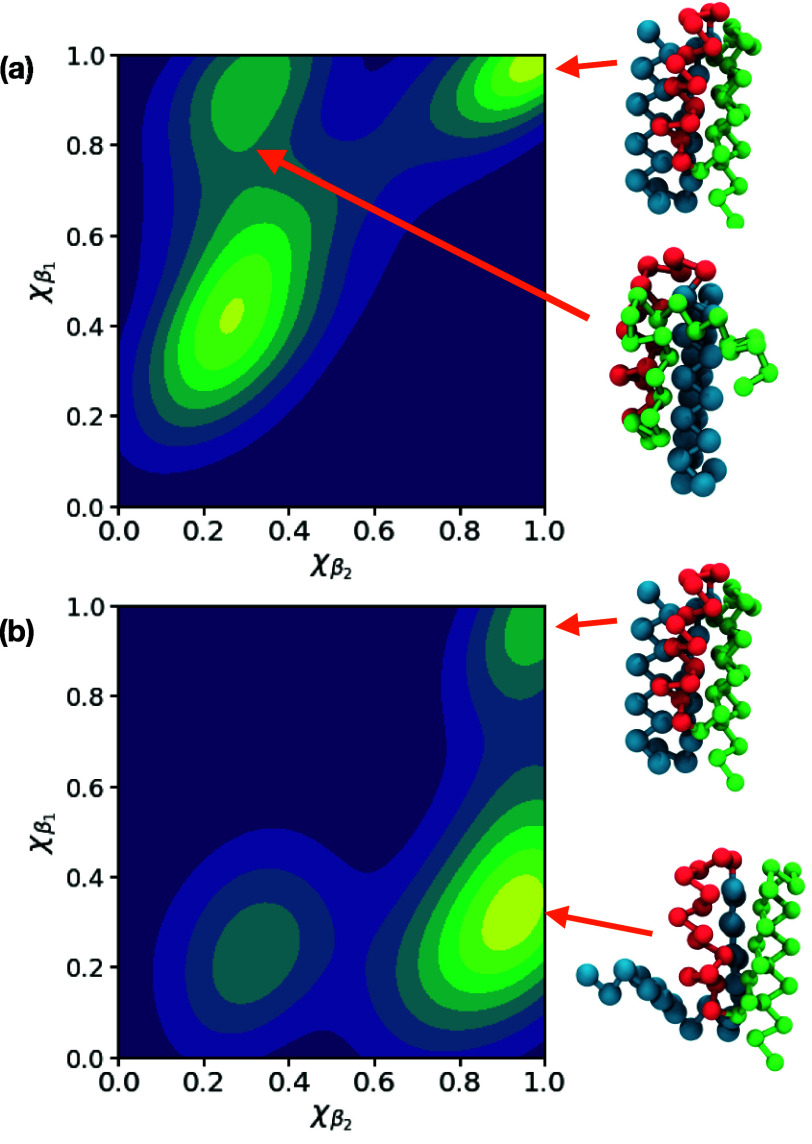 Figure 9
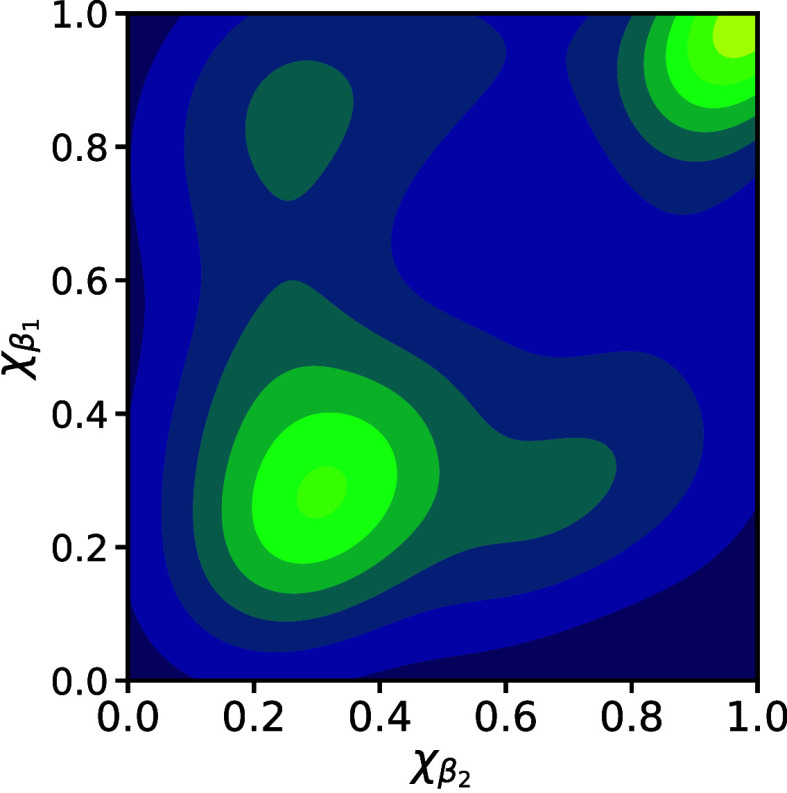 Figure 10
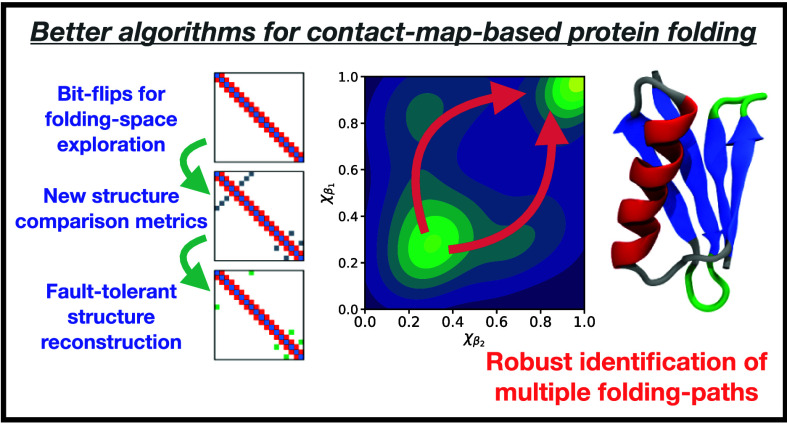 Figure 11
 Figure 12
 Figure 13
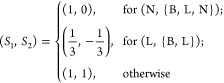 Figure 14
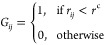 Figure 15
 Figure 16
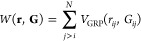 Figure 17
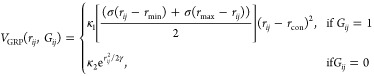 Figure 18
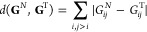 Figure 19
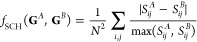 Figure 20
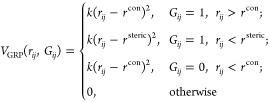 Figure 21
 Figure 22
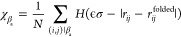 Figure 23
 Figure 24
Peer Reviews
No public reviews on file for this paper yet. If you reviewed it on a platform where reviews are public (OpenReview, ICLR, NeurIPS, ICML), you can paste yours below so the community can read it here.
Videos
No videos yet. Explain this paper in a talk, walkthrough, or lecture? Add one.
Taxonomy
TopicsBiochemical and Structural Characterization · Protein Structure and Dynamics · Force Microscopy Techniques and Applications