An exploratory analysis of associations of genetic variation with the efficacy of tocilizumab in severe COVID-19 patients. A pharmacogenetic study based on next-generation sequencing
Alejandro Durán-Sotuela, Jorge Vázquez-García, Sara Relaño-Fernández, Vanesa Balboa-Barreiro, Juan Fernández-Tajes, Francisco J. Blanco, Ignacio Rego-Pérez

TL;DR
This study explores how genetic variations affect the effectiveness of the drug Tocilizumab in treating severe COVID-19 patients.
Contribution
The study identifies specific genetic variants that influence the mortality risk of Tocilizumab-treated severe COVID-19 patients.
Findings
GG and TT genotypes at IL10Rβ and IL1β genes reduce mortality risk in Tocilizumab-treated patients.
CC genotype at IL1RN increases mortality risk only in patients not treated with Tocilizumab.
Predictive models based on three genotypes accurately predict mortality risk in Tocilizumab-treated patients.
Abstract
In the context of the cytokine storm the takes place in severe COVID-19 patients, the Interleukin 6 (IL6) pathway emerges as one of the key pathways involved in the pathogenesis of this hyperinflammatory state. The strategy of blocking the inflammatory storm by targeting the IL6 is a promising therapy to mitigate mortality. The use of Tocilizumab was recommended by the World Health Organization (WHO) to treat severe COVID-19 patients. However, the efficacy of Tocilizumab is variable. We hypothesize that the genetic background could be behind the efficacy of Tocilizumab in terms of mortality. We performed a targeted-next generation sequencing of 287 genes, of which 264 belong to a community panel of ThermoFisher for the study of genetic causes of primary immunodeficiency disorders, and 23 additional genes mostly related to inflammation, not included in the original community panel. This…
Genes, proteins, chemicals, diseases, species, mutations and cell lines named across the full text — each resolved to its canonical identifier and authoritative record.
Click any figure to enlarge with its caption.
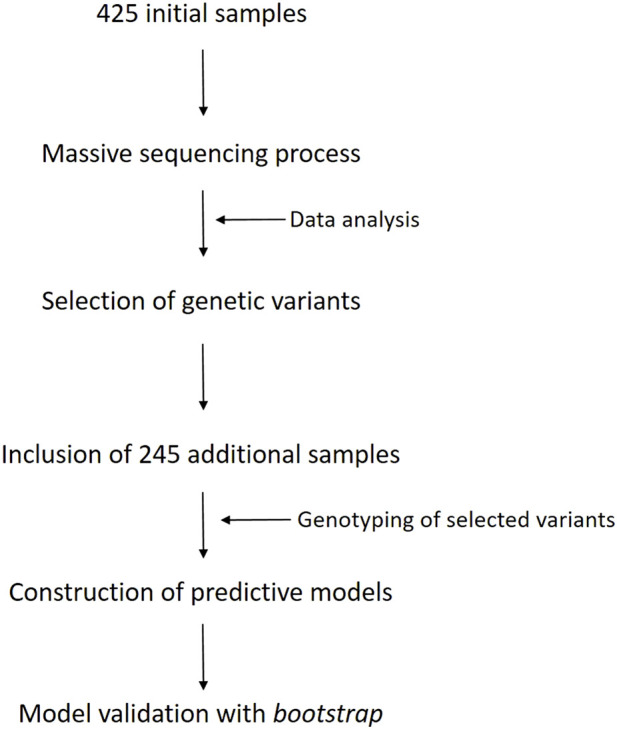 Figure 1
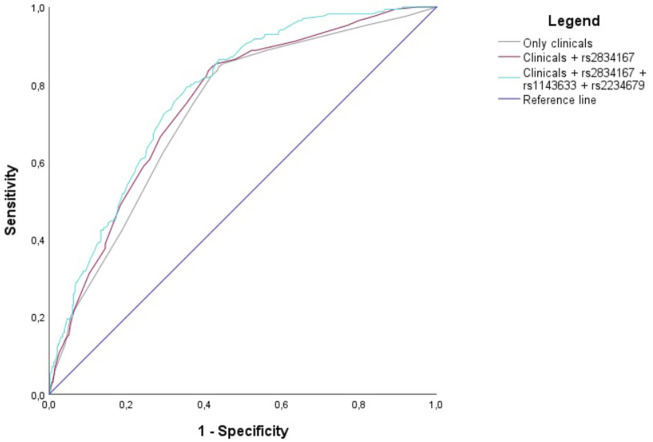 Figure 2
Peer Reviews
No public reviews on file for this paper yet. If you reviewed it on a platform where reviews are public (OpenReview, ICLR, NeurIPS, ICML), you can paste yours below so the community can read it here.
Videos
No videos yet. Explain this paper in a talk, walkthrough, or lecture? Add one.
Taxonomy
TopicsSocial and Educational Sciences