Levees for a hundred-year flood: impact of a syndrome-based antimicrobial stewardship intervention for coronavirus disease 2019 on antimicrobial use and resistance
Alfredo J. Mena Lora, Rodrigo Burgos, Dylan Huber, Lawrence Sanchez, Mirza Ali, Candice Krill, Eden Takhsh, Susan C. Bleasdale

TL;DR
A syndrome-based antimicrobial stewardship program reduced unnecessary antibiotic use and resistance during the coronavirus disease 2019 pandemic.
Contribution
A new antimicrobial stewardship approach targeting LRTI therapy selection and duration reduced AU and AMR.
Findings
The program led to reduced antimicrobial use during the pandemic.
It also contributed to a decrease in antimicrobial resistance.
The approach focused on syndrome-based treatment of LRTIs.
Abstract
Coronavirus disease 2019 can be indistinguishable from lower respiratory tract infections (LRTIs) caused by other viral and bacterial agents. This likely contributed to antimicrobial use (AU) and antimicrobial resistance (AMR) during the pandemic. Our antimicrobial stewardship program targeted the selection and duration of therapy for LRTIs and led to a reduction in AU and AMR.
Genes, proteins, chemicals, diseases, species, mutations and cell lines named across the full text — each resolved to its canonical identifier and authoritative record.
Click any figure to enlarge with its caption.
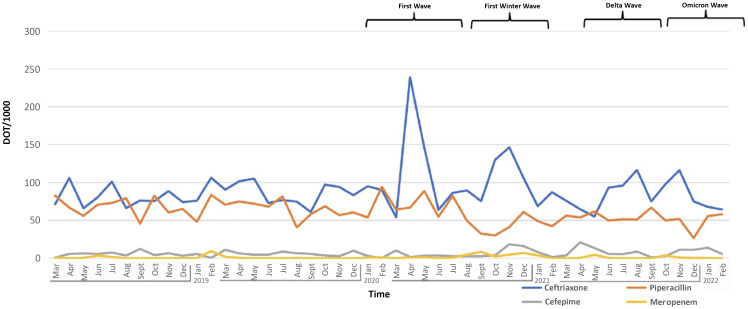 Figure 1
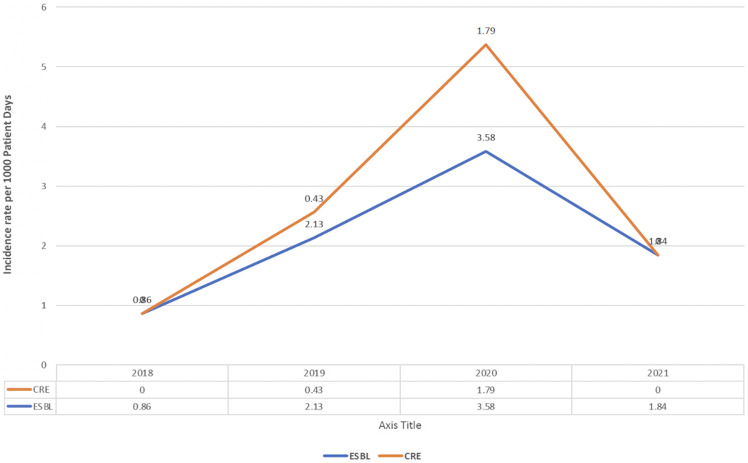 Figure 2
Peer Reviews
No public reviews on file for this paper yet. If you reviewed it on a platform where reviews are public (OpenReview, ICLR, NeurIPS, ICML), you can paste yours below so the community can read it here.
Videos
No videos yet. Explain this paper in a talk, walkthrough, or lecture? Add one.
Taxonomy
TopicsAntibiotic Use and Resistance · COVID-19 Clinical Research Studies · COVID-19 and Mental Health