Comparative analysis of superovulated versus uterine-embryo synchronized recipients for embryo transfer in cynomolgus monkeys (Macaca fascicularis)
Dong-Ho Lee, Seung-Bin Yoon, Yu-Jin Jo, Jun Won Mo, Jeongwoo Kwon, Sang Il Lee, Jungkee Kwon, Ji-Su Kim

TL;DR
This study compares two methods for embryo transfer in monkeys and finds both are equally effective.
Contribution
It shows superovulated monkeys can be used as effective recipients for embryo transfer, reducing the need for synchronization.
Findings
No significant differences in endometrial thickness between superovulated and synchronized recipients.
Pregnancy and implantation rates were similar in both groups.
Superovulated recipients are viable for embryo transfer, simplifying the process.
Abstract
Assisted reproductive technologies (ARTs), such as intracytoplasmic sperm injection and embryo transfer, are essential for generating genetically edited monkeys. Despite their importance, ARTs face challenges in recipient selection in terms of time and the number of animals required. The potential of superovulated monkeys, commonly used as oocyte donors, to serve as surrogate mothers, remains underexplored. The study aimed to compare the efficacy of superovulated and uterine-embryo synchronized recipients of embryo transfer in cynomolgus monkeys (Macaca fascicularis). This study involved 23 cynomolgus monkeys divided into two groups–12 superovulated recipients and 11 synchronized recipients. The evaluation criteria included measuring endometrial thickness on the day of embryo transfer and calculating pregnancy and implantation rates to compare outcomes between groups. The study found…
Genes, proteins, chemicals, diseases, species, mutations and cell lines named across the full text — each resolved to its canonical identifier and authoritative record.
Click any figure to enlarge with its caption.
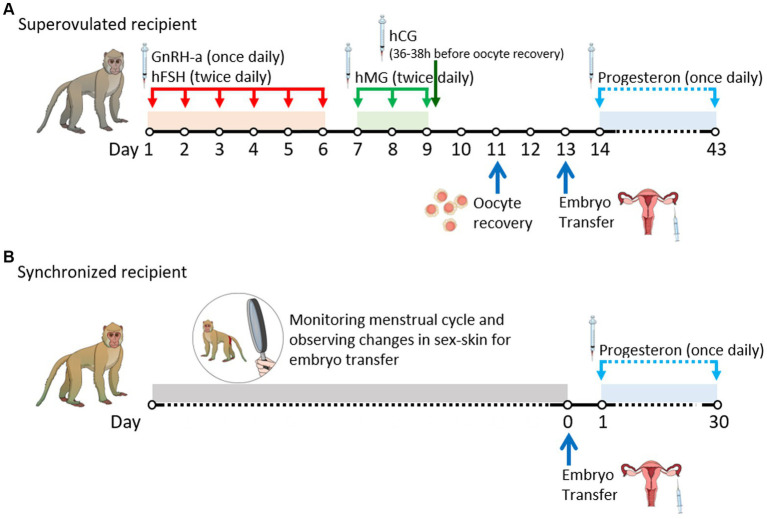 Figure 1
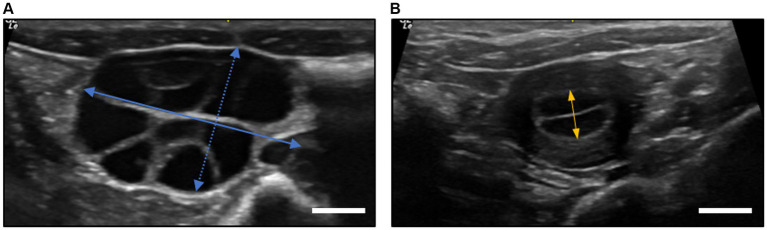 Figure 2
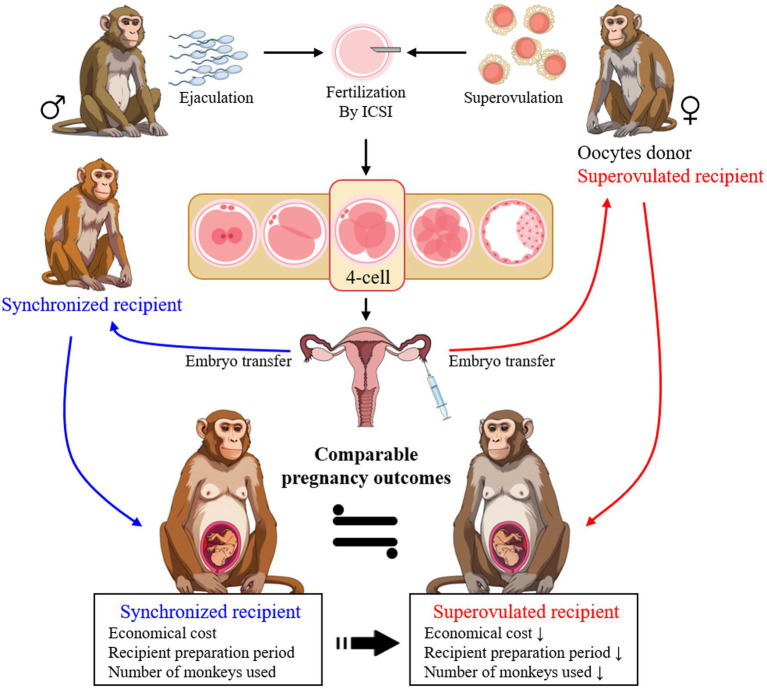 Figure 3
Peer Reviews
No public reviews on file for this paper yet. If you reviewed it on a platform where reviews are public (OpenReview, ICLR, NeurIPS, ICML), you can paste yours below so the community can read it here.
Videos
No videos yet. Explain this paper in a talk, walkthrough, or lecture? Add one.
Taxonomy
TopicsReproductive Biology and Fertility · Reproductive System and Pregnancy · Sperm and Testicular Function