Repurposing FDA-approved disulfiram for targeted inhibition of diphtheria toxin and the binary protein toxins of Clostridium botulinum and Bacillus anthracis
Joscha Borho, Merle Kögel, Amelie Eckert, Holger Barth

TL;DR
This study shows that disulfiram, a drug used to treat alcoholism, can block the harmful effects of several bacterial toxins by preventing their entry into cells.
Contribution
The study reveals disulfiram's novel ability to inhibit toxin pore-mediated translocation, offering a potential broad-spectrum therapeutic strategy.
Findings
Disulfiram protects cells from diphtheria toxin, lethal toxin, and C2 enterotoxin at clinically relevant concentrations.
Disulfiram's inhibitory effect is enhanced by copper and targets the translocation of toxin A subunits into the cytosol.
The drug does not affect toxin binding or enzymatic activity but blocks pore-mediated membrane translocation.
Abstract
Many bacteria act pathogenic by the release of AB-type protein toxins that efficiently enter human or animal cells and act as enzymes in their cytosol. This leads to disturbed cell functions and the clinical symptoms characteristic for the individual toxin. Therefore, molecules that directly target and neutralize these toxins provide promising novel therapeutic options. Here, we found that the FDA-approved drug disulfiram (DSF), used for decades to treat alcohol abuse, protects cells from intoxication with diphtheria toxin (DT) from Corynebacterium diphtheria, the causative agent of diphtheria, lethal toxin (LT) from Bacillus anthracis, which contributes to anthrax, and C2 enterotoxin from Clostridium botulinum when applied in concentrations lower than those found in plasma of patients receiving standard DSF treatment for alcoholism (up to 20 µM). Moreover, this inhibitory effect is…
Genes, proteins, chemicals, diseases, species, mutations and cell lines named across the full text — each resolved to its canonical identifier and authoritative record.
Click any figure to enlarge with its caption.
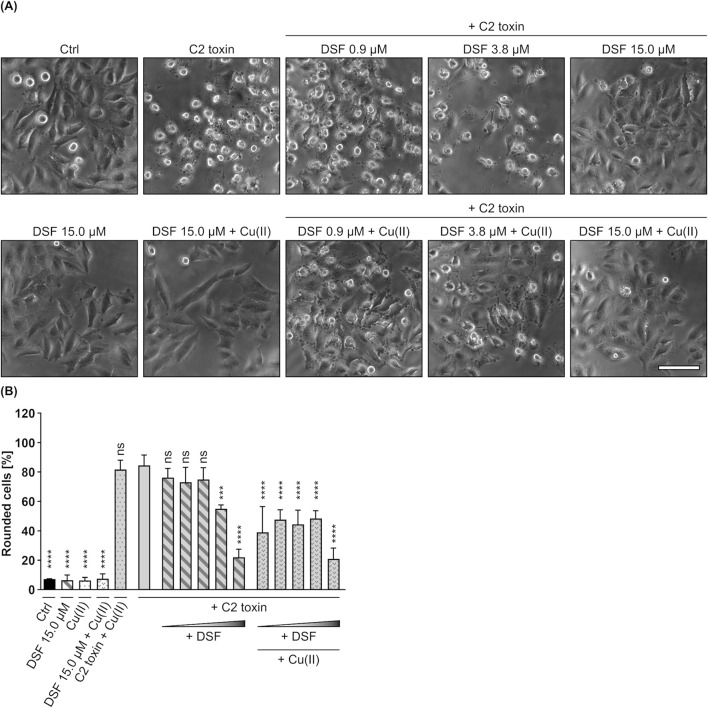 Figure 1
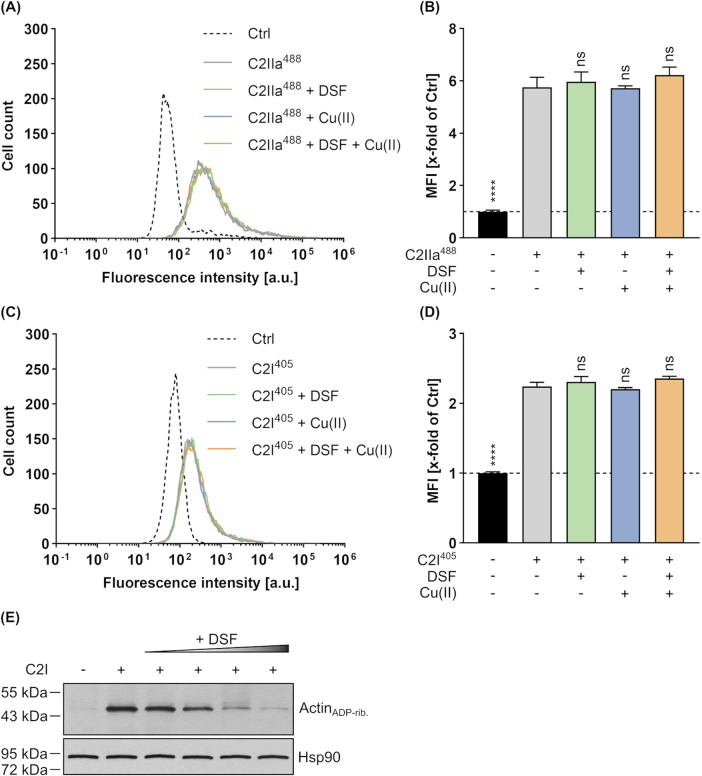 Figure 2
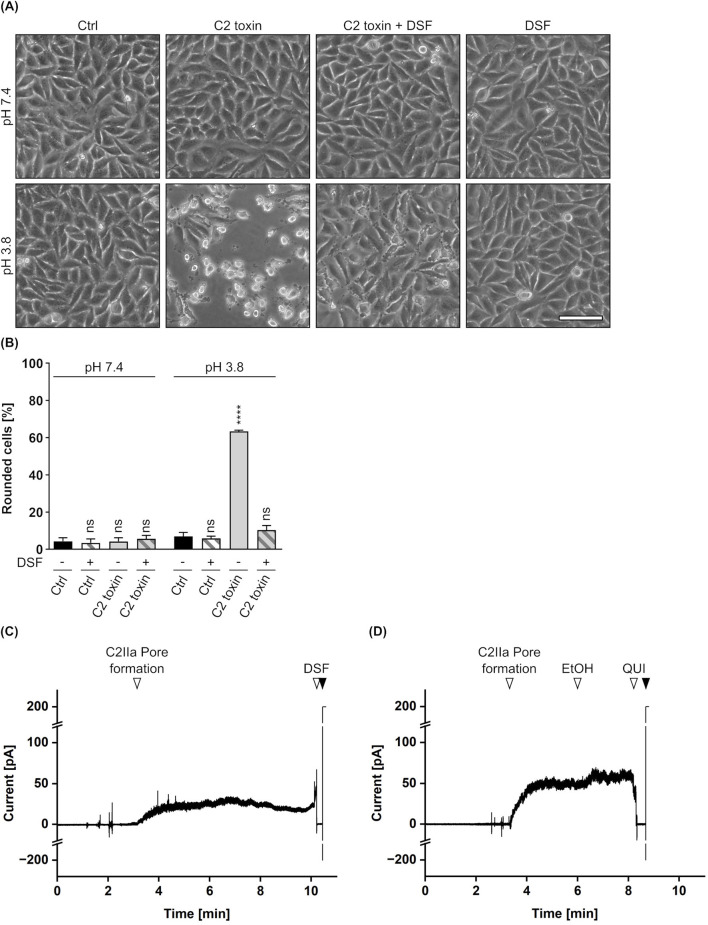 Figure 3
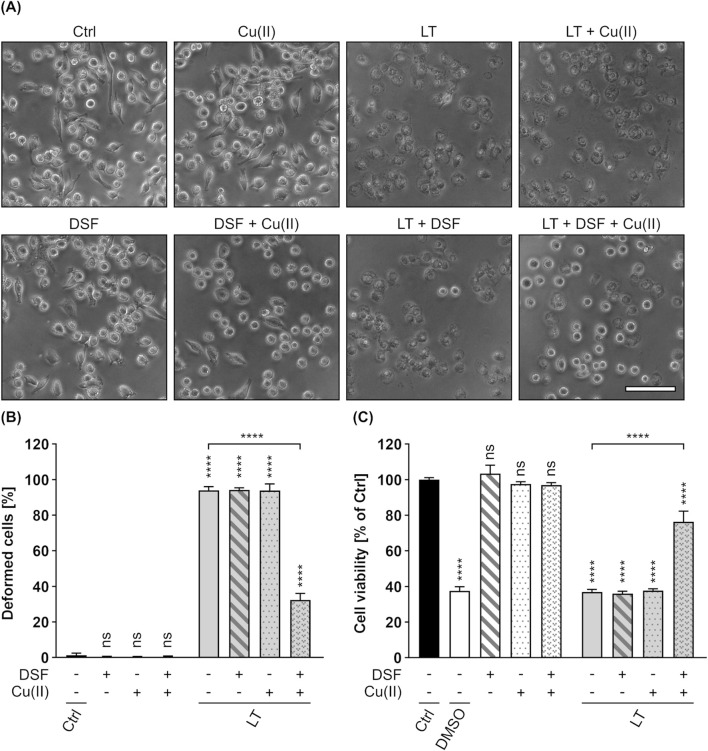 Figure 4
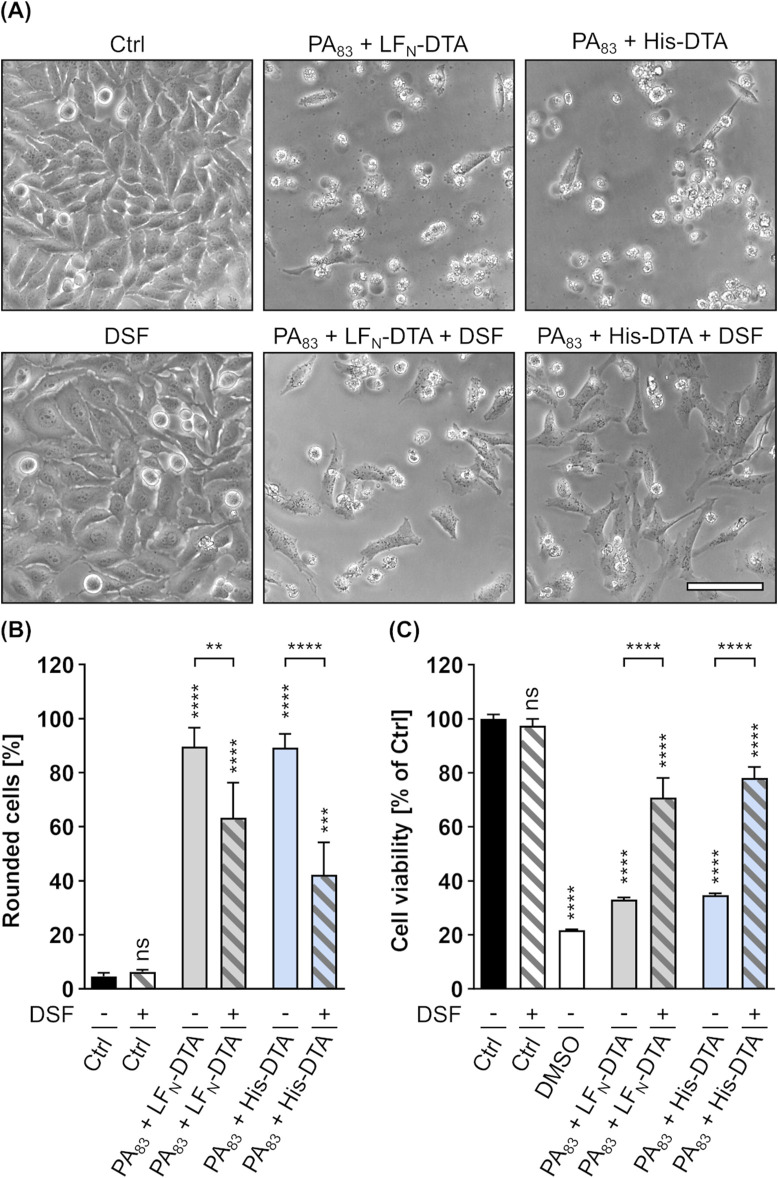 Figure 5
 Figure 6
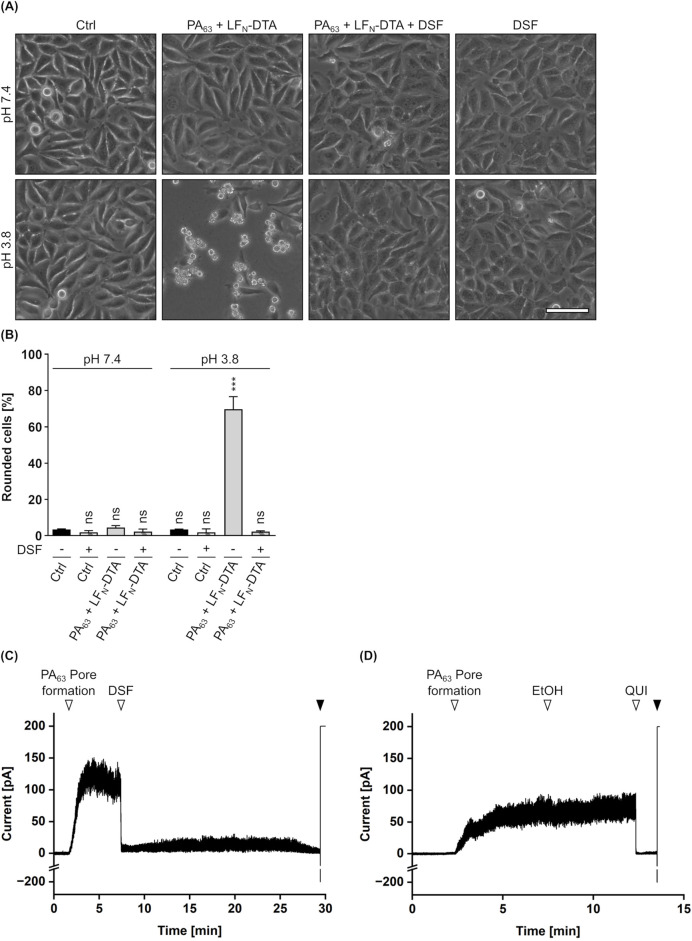 Figure 7
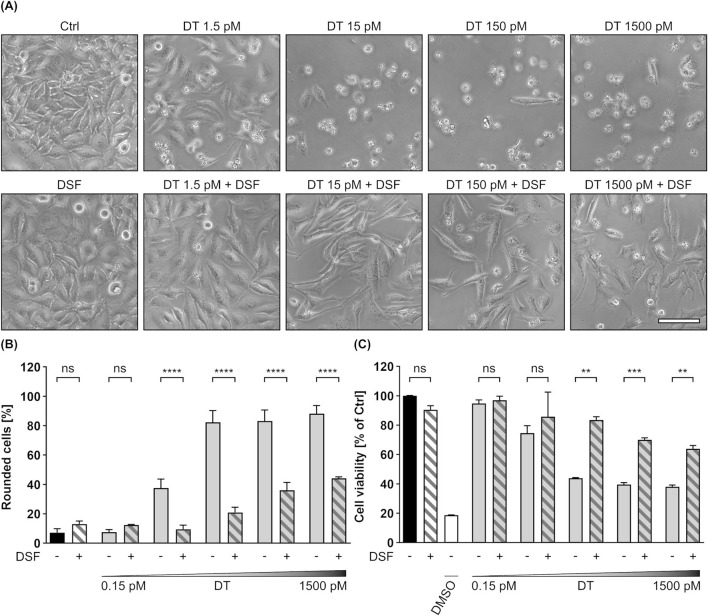 Figure 8
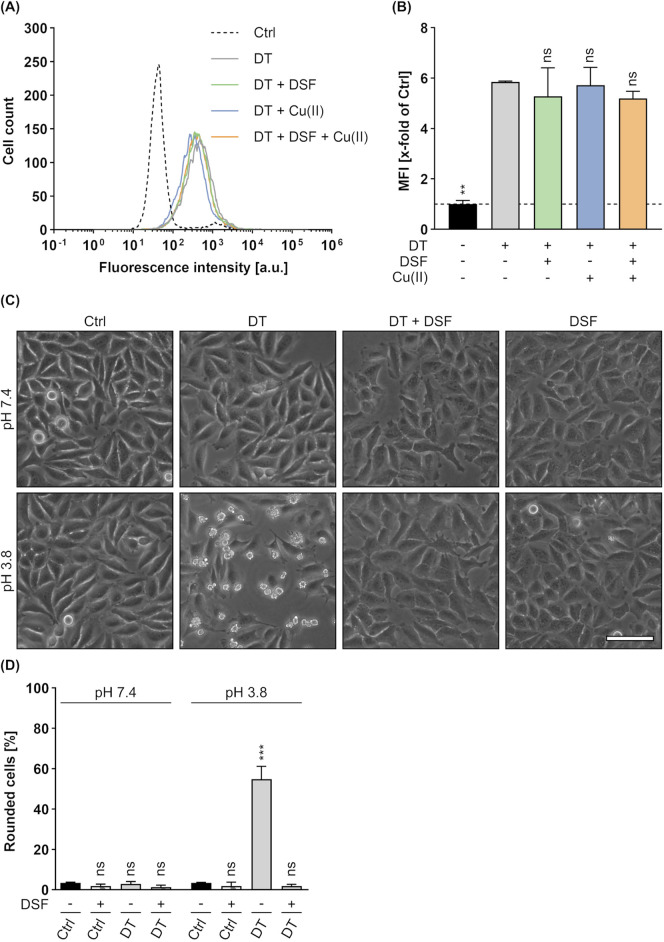 Figure 9
Peer Reviews
No public reviews on file for this paper yet. If you reviewed it on a platform where reviews are public (OpenReview, ICLR, NeurIPS, ICML), you can paste yours below so the community can read it here.
Videos
No videos yet. Explain this paper in a talk, walkthrough, or lecture? Add one.
Taxonomy
TopicsToxin Mechanisms and Immunotoxins · Bacillus and Francisella bacterial research · Clostridium difficile and Clostridium perfringens research