Enhanced antioxidant phytochemicals and catalase activity of celery by-products by a combined strategy of selenium and PGPB under restricted N supply
Jacinta Collado-González, María Carmen Piñero, Ginés Otálora, Josefa López-Marín, Francisco M. del Amor

TL;DR
This study shows that using reduced nitrogen with selenium and bacteria can boost antioxidants in celery waste, making it valuable for other uses.
Contribution
A novel combined strategy of selenium and plant growth-promoting bacteria under restricted nitrogen improves antioxidant and catalase activity in celery by-products.
Findings
Celery by-products under restricted nitrogen showed 191% higher total phenolic compounds compared to the control.
Antioxidant activity in by-products increased by 41% under restricted nitrogen and biostimulant treatments.
Selenium application with reduced nitrogen maximized catalase activity and bioactive compound accumulation in celery parts.
Abstract
The reduction of N supplied combined with the use of biostimulants can be an efficient strategy that allows sustainable agriculture to achieve better economic, nutritional and environmental goals without reducing production. Moreover, the industrial processing of celery generates large amounts of waste. Therefore the purpose of this study was improve crop management strategies to reduce nitrate pollution while turning crop waste into value-added products for others sectors. Consequently, in this work twelve treatments were examined: three N nitrogen content in the nutrient solution (100% control, 60%, and 30%) combined with the inoculation of the roots with Azotobacter salinestris, and foliar application selenium solution (8 μM, Na2SeO4). The celery parts from plants grown under limited N dose showed a higher antioxidant activity and TPC (total phenolic compounds) content. The…
Genes, proteins, chemicals, diseases, species, mutations and cell lines named across the full text — each resolved to its canonical identifier and authoritative record.
Click any figure to enlarge with its caption.
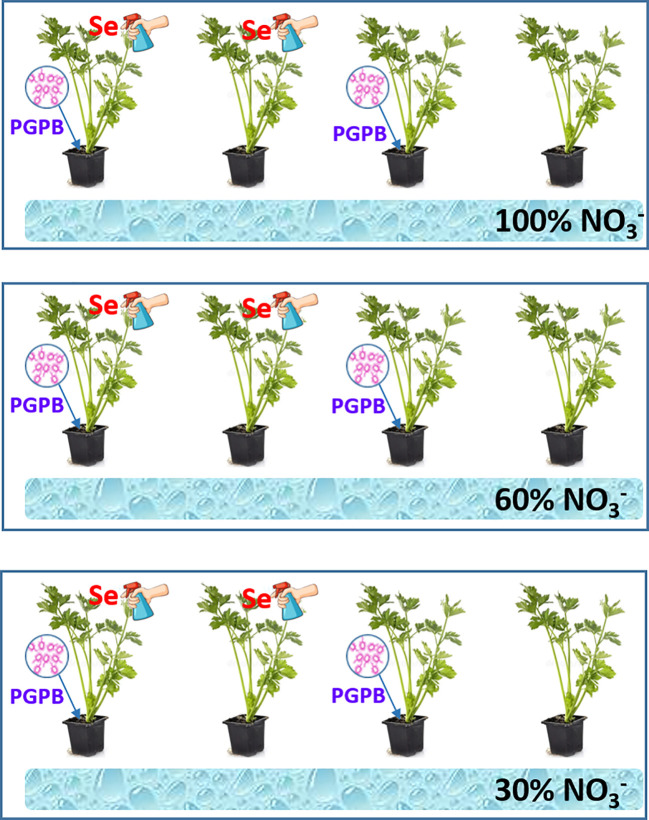 Figure 1
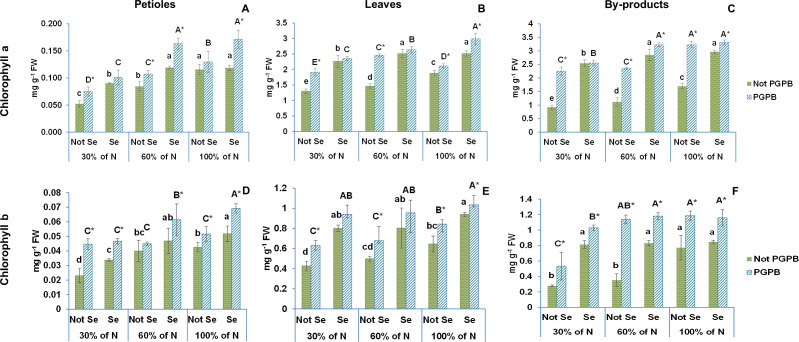 Figure 2
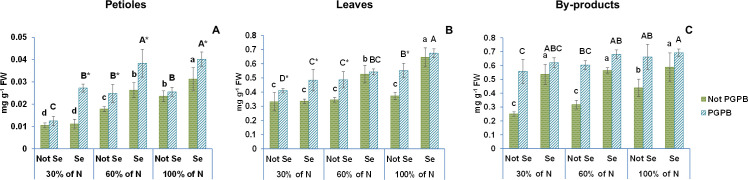 Figure 3
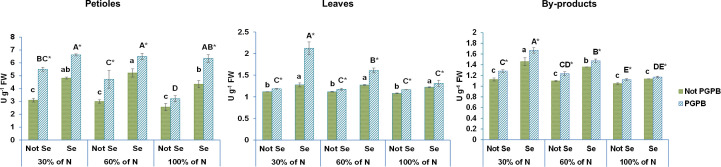 Figure 4
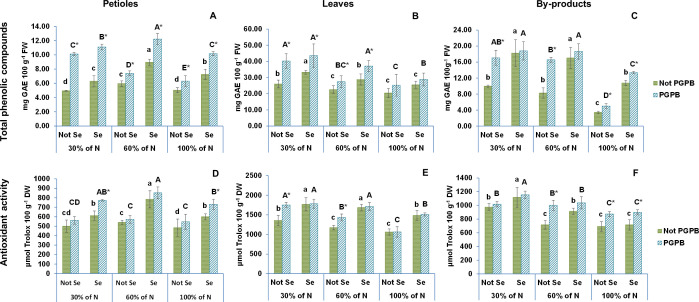 Figure 5
Peer Reviews
No public reviews on file for this paper yet. If you reviewed it on a platform where reviews are public (OpenReview, ICLR, NeurIPS, ICML), you can paste yours below so the community can read it here.
Videos
No videos yet. Explain this paper in a talk, walkthrough, or lecture? Add one.
Taxonomy
TopicsSelenium in Biological Systems · Moringa oleifera research and applications · Phytochemicals and Antioxidant Activities