VO2MAX, 6-minute walk, and muscle strength each correlate with frailty in US veterans
Kenneth Ladd Seldeen, Ayesha Saqebur Rahman, Yonas Redae, Nikhil Satchidanand, M. Jeffery Mador, Changxing Ma, Mihir Soparkar, Alexis Rose Lima, Ifeoma N. Ezeilo, Bruce Robert Troen

TL;DR
This study finds that cardiorespiratory fitness, walking ability, and muscle strength are linked to frailty in older US veterans, with VO2max showing the strongest correlations.
Contribution
The study identifies VO2max, 6-minute walk, and arm strength as potential clinical indicators of frailty in veterans.
Findings
VO2max negatively correlates with frailty scores and positively with physical performance and quality of life.
The 6-minute walk test correlates with VO2max and physical performance but not strongly with frailty.
Inflammatory biomarkers did not differ significantly between frail and non-frail participants.
Abstract
Frailty often manifests as an increased vulnerability to adverse outcomes, and detecting frailty is useful for informed healthcare decisions. Veterans are at higher risk for developing frailty and at younger ages. The goal of this study was to investigate approaches in Veterans that can better inform the physiologic underpinnings of frailty, including maximal oxygen uptake (VO2max), 6-min walk, muscle strength, and inflammatory biomarkers. Participants (N = 42) were recruited from the Buffalo VA Medical Center. Inclusion criteria: ages 60–85, male or female, any race, and not having significant comorbidities or cognitive impairment. Outcome measures included: the Fried frailty phenotype, the short physical performance battery (SPPB), quality of life (QOL) using the Q-LES-Q-SF, and the following physiologic assessments: VO2max assessment on an upright stationary bicycle, 6-min walk, and…
Genes, proteins, chemicals, diseases, species, mutations and cell lines named across the full text — each resolved to its canonical identifier and authoritative record.
Click any figure to enlarge with its caption.
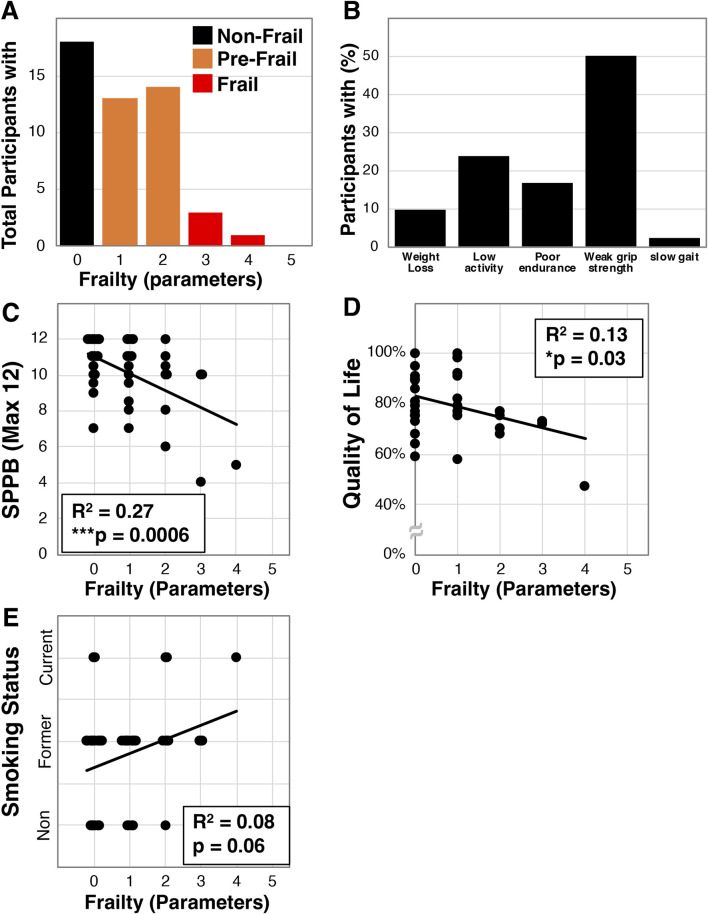 Figure 1
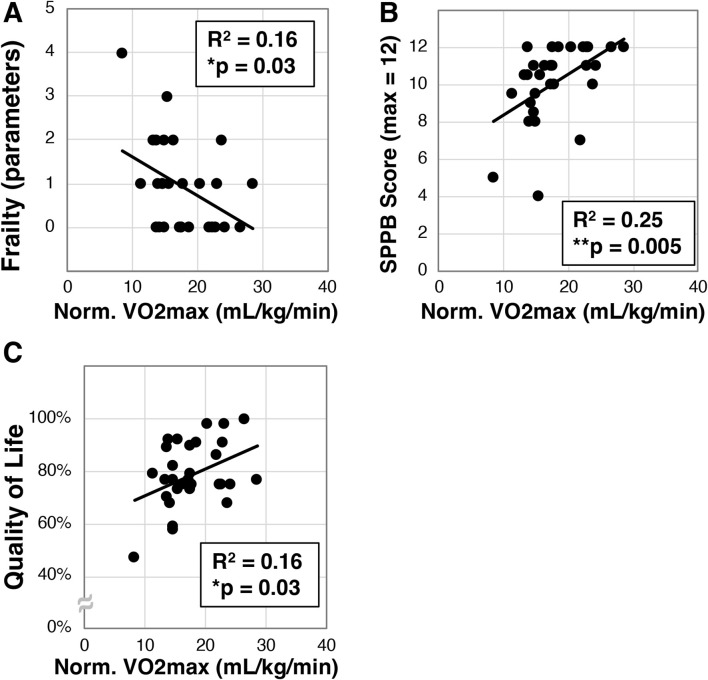 Figure 2
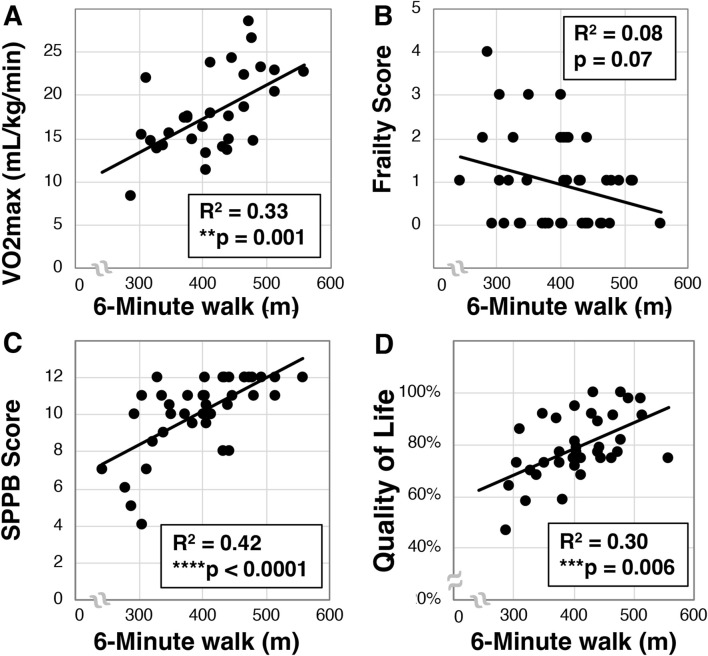 Figure 3
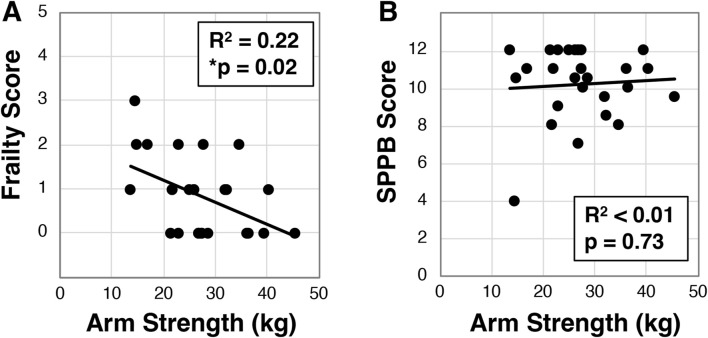 Figure 4
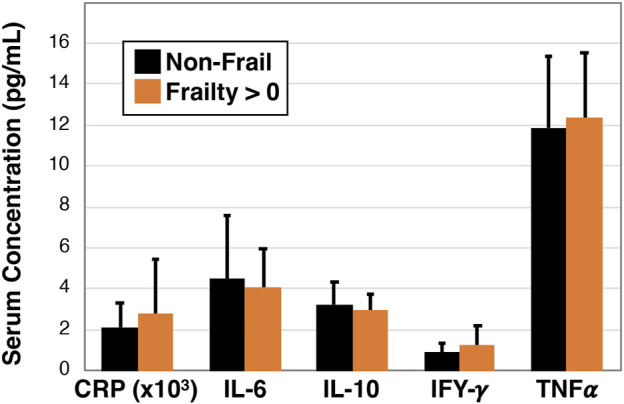 Figure 5
Peer Reviews
No public reviews on file for this paper yet. If you reviewed it on a platform where reviews are public (OpenReview, ICLR, NeurIPS, ICML), you can paste yours below so the community can read it here.
Videos
No videos yet. Explain this paper in a talk, walkthrough, or lecture? Add one.
Taxonomy
TopicsFrailty in Older Adults · Nutrition and Health in Aging · Intensive Care Unit Cognitive Disorders