The Reduction of Cervical Hyperlordosis and Resolution of Craniocervical Symptoms in an Adolescent Female: A Chiropractic Biophysics Case Report With Long-Term Follow-Up
Thomas J Woodham, Miles O Fortner, Jason W Haas, Paul A Oakley, Deed E Harrison

TL;DR
A 15-year-old girl with cervical hyperlordosis and chronic migraines showed significant improvement after 12 weeks of Chiropractic Biophysics treatment, with long-term symptom resolution.
Contribution
This is the first documented case of successful cervical hyperlordosis reduction using Chiropractic Biophysics in peer-reviewed literature.
Findings
After 12 weeks of treatment, the patient experienced full recovery from migraines and neck pain with an 8° reduction in cervical lordosis.
At 15 months post-treatment, the patient remained symptom-free with a total 13° reduction in the cervical curve.
The study suggests excessive cervical curvature may cause adverse soft tissue stress and pathological symptoms.
Abstract
Cervical hyperlordosis is a rare condition in the pediatric population. We present a unique case of the application of Chiropractic Biophysics® (CBP®) technique protocols to reduce a hyperlordotic cervical spine corresponding with many craniocervical symptoms, including chronic migraines and neck pain. A 15-year-old female presented with chronic headaches, neck pain, and neck stiffness among other complaints following a martial arts sprain injury several months prior. There were many positive orthopedic tests and limited range of motion. Radiographs revealed a cervical hyperlordosis and a right lateral head translation. CBP® treatment was given and involved cervical distraction traction as well as corrective exercises twice a week for 12 weeks, and then monthly for one year with a complementary home program. After 12 weeks, there was a full recovery from migraines and neck pain…
Genes, proteins, chemicals, diseases, species, mutations and cell lines named across the full text — each resolved to its canonical identifier and authoritative record.
Click any figure to enlarge with its caption.
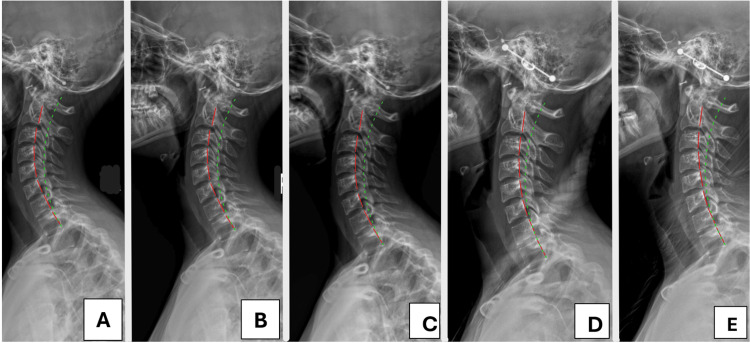 Figure 1
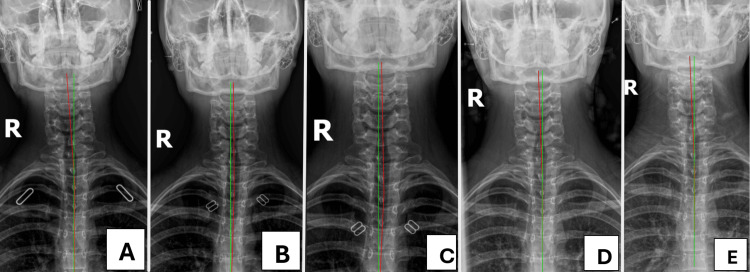 Figure 2
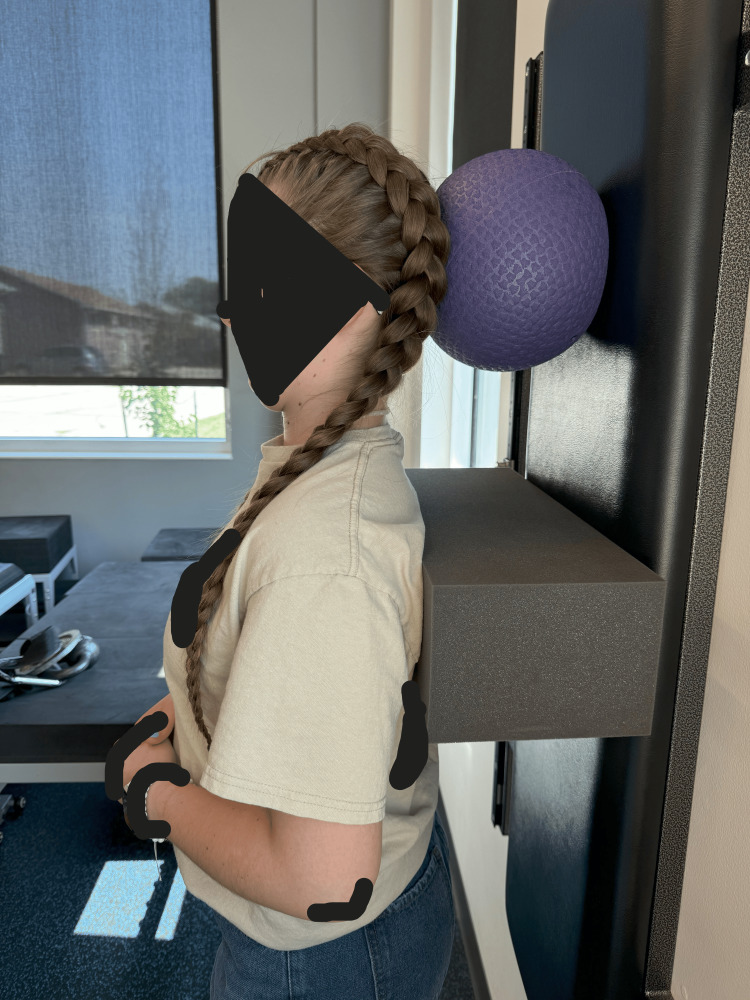 Figure 3
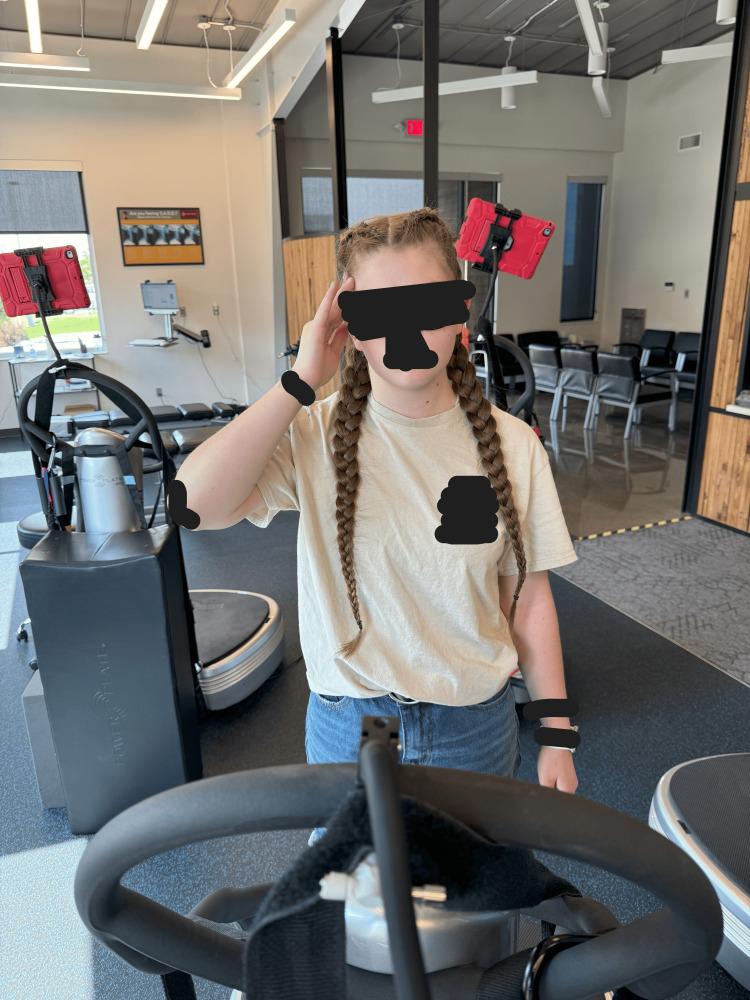 Figure 4
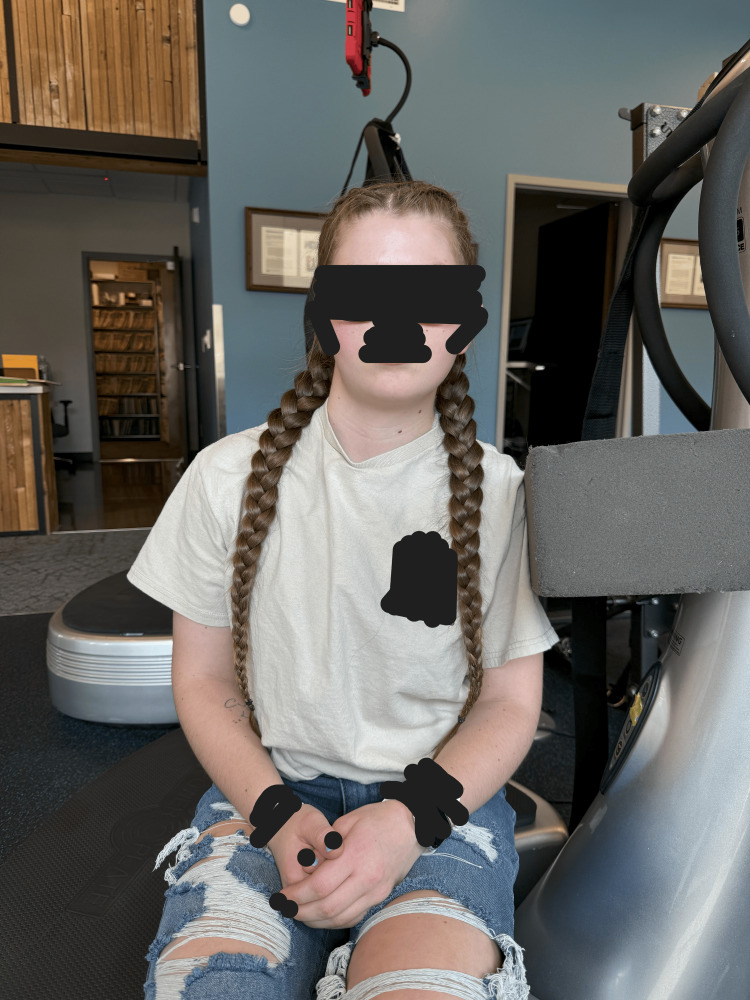 Figure 5
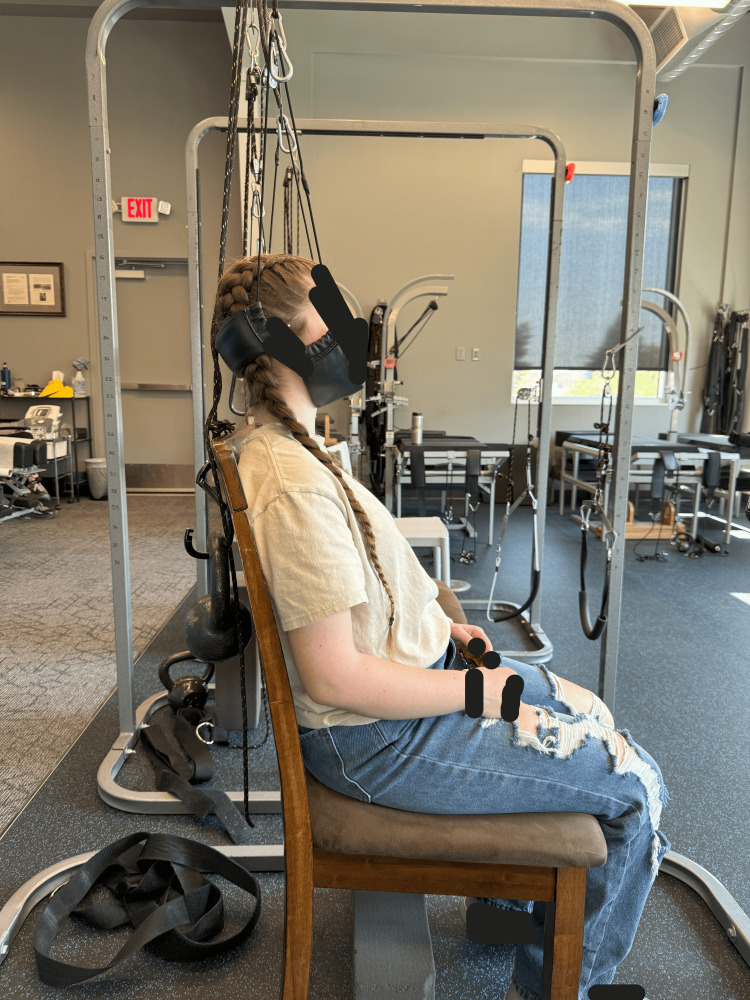 Figure 6
Peer Reviews
No public reviews on file for this paper yet. If you reviewed it on a platform where reviews are public (OpenReview, ICLR, NeurIPS, ICML), you can paste yours below so the community can read it here.
Videos
No videos yet. Explain this paper in a talk, walkthrough, or lecture? Add one.
Taxonomy
TopicsSpinal Fractures and Fixation Techniques · Scoliosis diagnosis and treatment · Spine and Intervertebral Disc Pathology