Percutaneous Cannulation of the Axillary Artery: Does the Position of the Brachial Plexus Correlate With Bony Landmarks That Could Be Used to Reduce the Risk of Complications?
Sourabh Jadhav, Ashley Stephen

TL;DR
This study explores safe access points on the axillary artery to reduce nerve injury risks during endovascular procedures.
Contribution
It identifies a potential safe vascular access point using bony landmarks to avoid neural structures.
Findings
The distance from the safe point to the median nerve and thoracoacromial trunk showed no significant side differences.
The area of safety was larger on the right side but not significantly different from the left.
No correlation was found between bony landmarks and the safe point on the axillary artery.
Abstract
Introduction Endovascular surgery is an innovative way of carrying out procedures such as transcatheter aortic valve insertion where the femoral artery is commonly used as an access point. Conditions like peripheral arterial disease can make endovascular procedures challenging when atherosclerotic plaques compromise the integrity of lower limb vessels. An alternative access point for these patients is required. Access through the axillary artery has been proposed; however, the close proximity of the brachial plexus introduces a risk of neural complications. This study aims to find an anatomical or bony landmark(s) to help identify an area of safety on the axillary artery that can be used to gain access. Materials and methods Nine cadavers were used in the study and five parameters were measured using the acromion and coracoid processes as bony landmarks. The 1st parameter measured…
Genes, proteins, chemicals, diseases, species, mutations and cell lines named across the full text — each resolved to its canonical identifier and authoritative record.
Click any figure to enlarge with its caption.
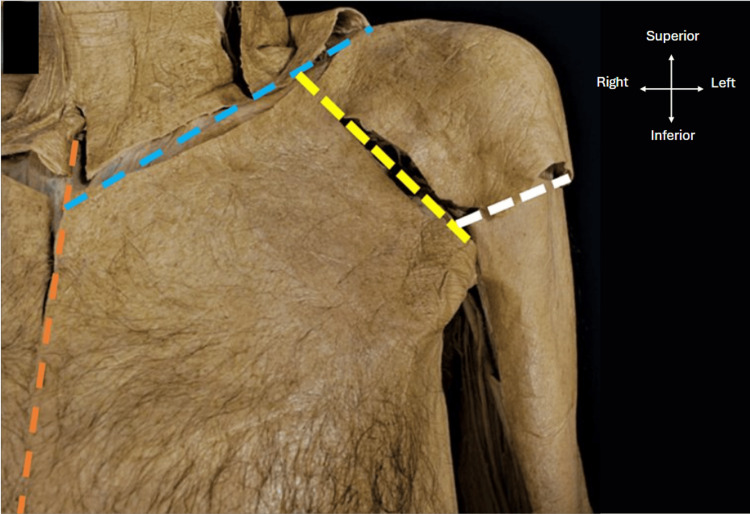 Figure 1
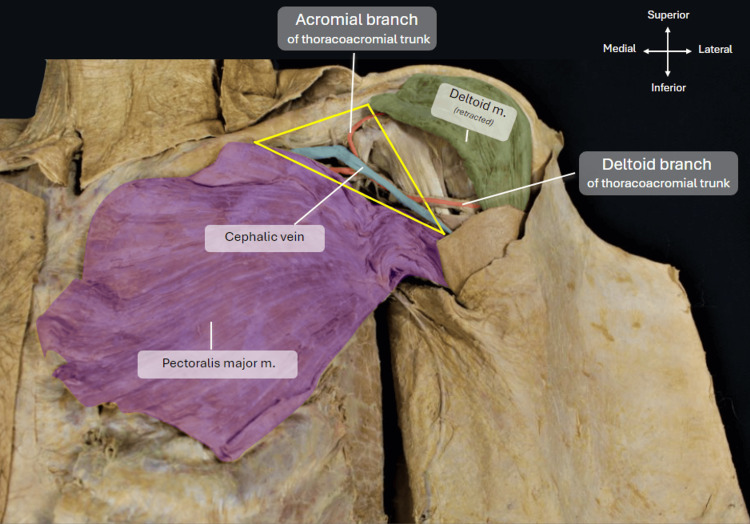 Figure 2
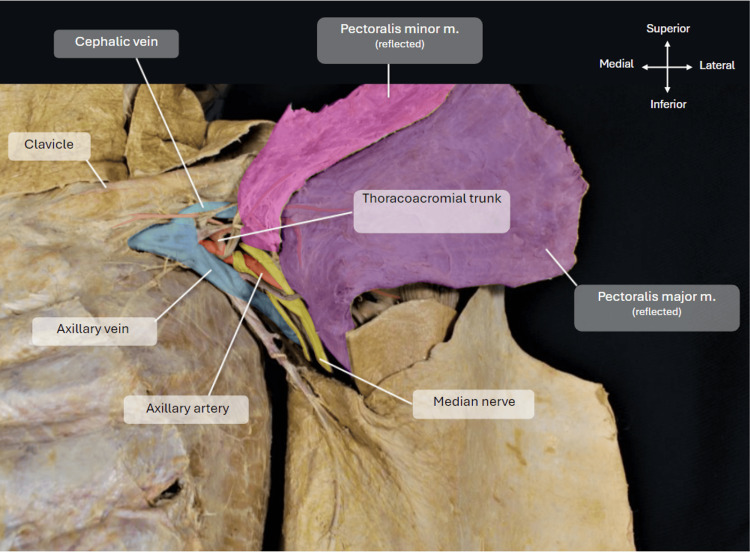 Figure 3
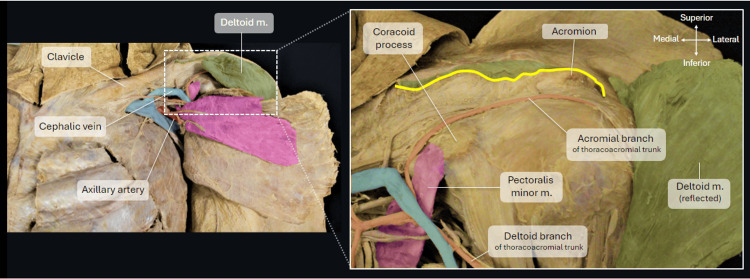 Figure 4
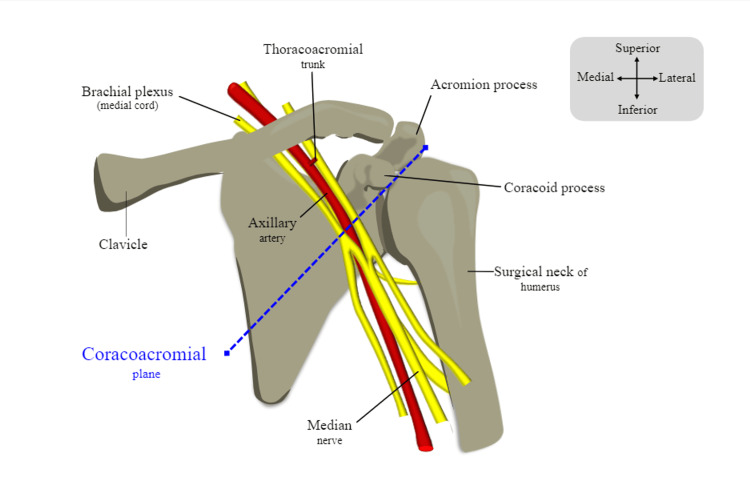 Figure 5
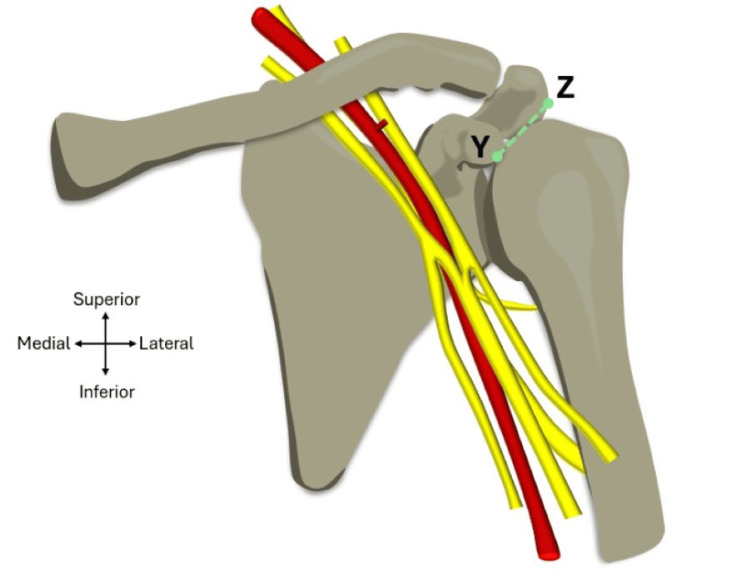 Figure 6
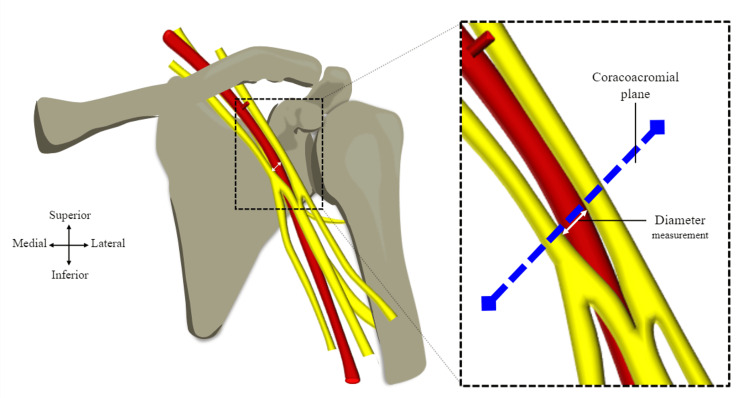 Figure 7
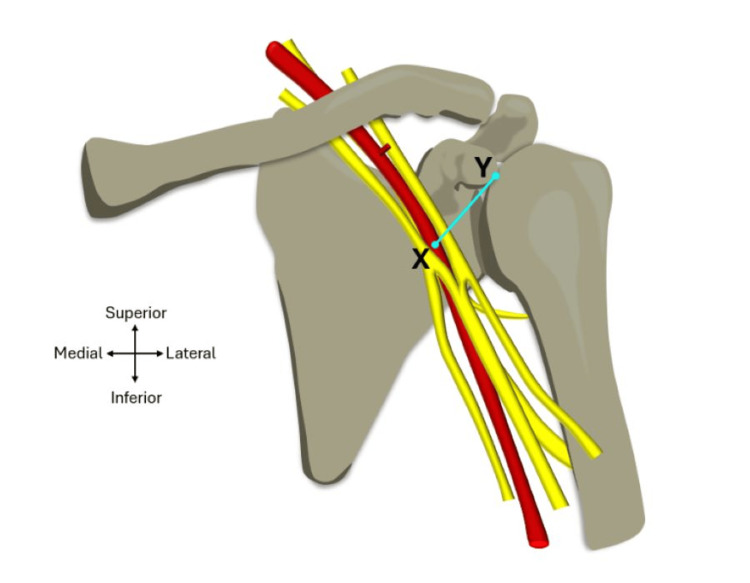 Figure 8
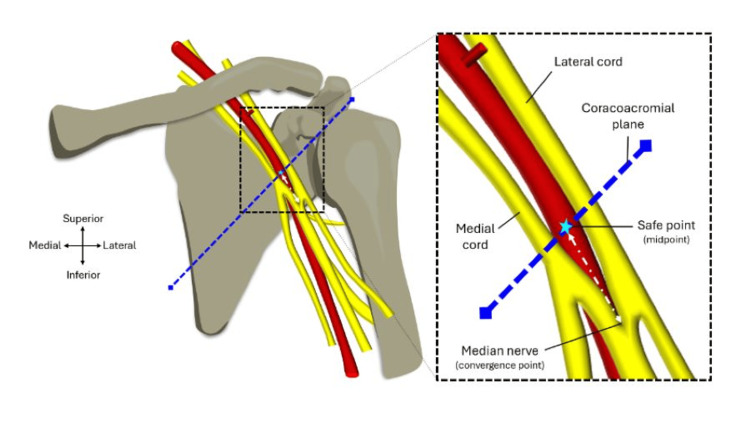 Figure 9
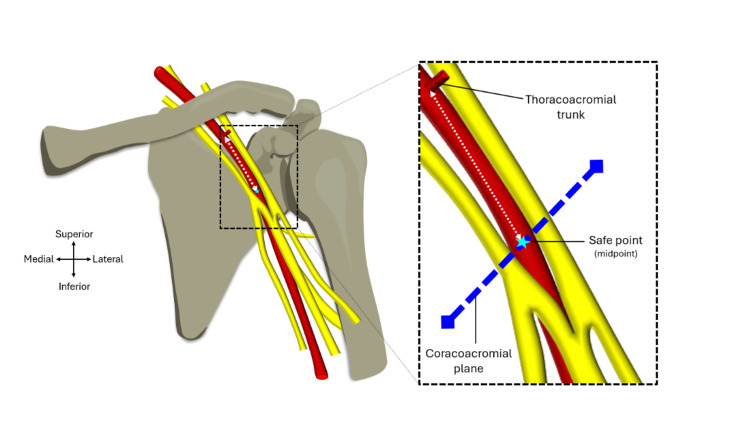 Figure 10
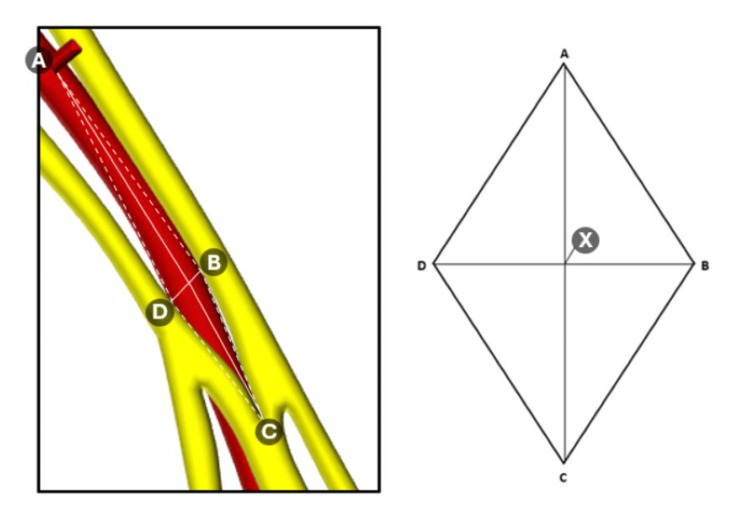 Figure 11
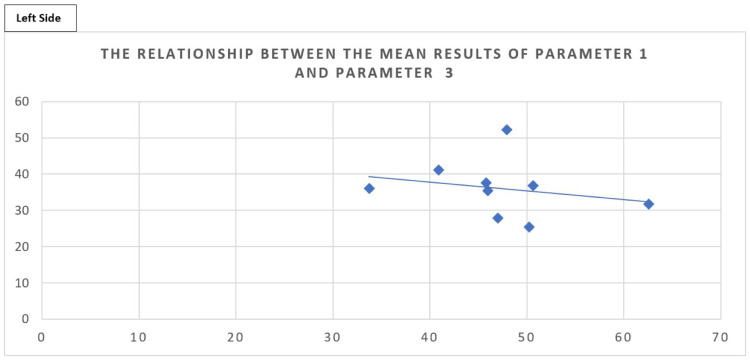 Figure 12
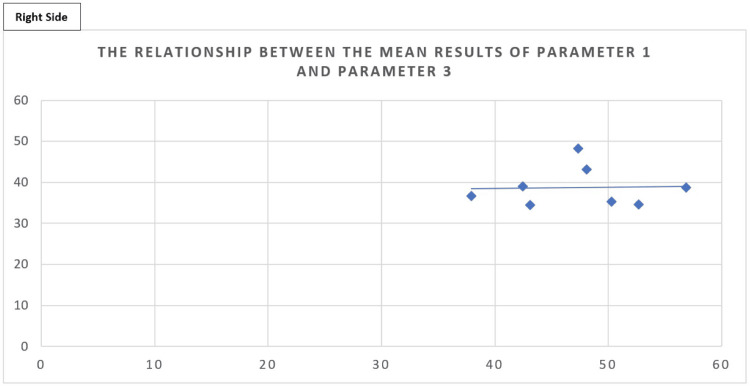 Figure 13
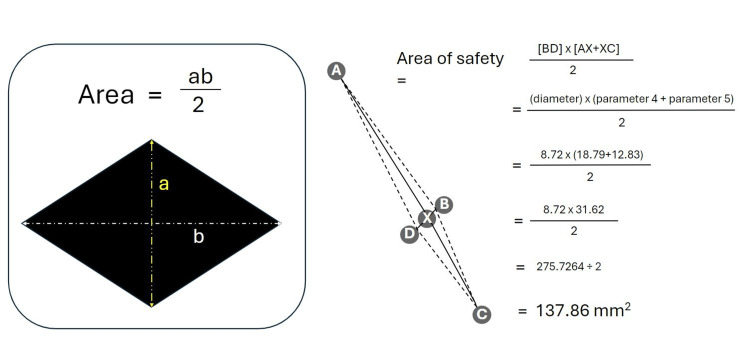 Figure 14
 Figure 15
Peer Reviews
No public reviews on file for this paper yet. If you reviewed it on a platform where reviews are public (OpenReview, ICLR, NeurIPS, ICML), you can paste yours below so the community can read it here.
Videos
No videos yet. Explain this paper in a talk, walkthrough, or lecture? Add one.
Taxonomy
TopicsVascular Procedures and Complications · Cardiac Valve Diseases and Treatments · Peripheral Nerve Disorders