Beyond two dimensions: Exploring 3D dielectrophoresis for microparticle control using carbon electrodes
Oscar Pilloni, Marc Madou, Laura Oropeza-Ramos

TL;DR
This paper introduces a 3D dielectrophoresis platform using carbon electrodes for precise microparticle control in microvolumes.
Contribution
The novel contribution is the development of a 3D microparticle manipulation system using carbon-based microelectrodes for high-throughput control.
Findings
The platform enables precise 3D positioning of microparticles using dielectrophoresis forces.
It allows simultaneous manipulation of multiple microparticles and individual directional displacement.
The system is fabricated using C-MEMS technology and is suitable for industrial batch production.
Abstract
This study explores the frontiers of microparticle manipulation by introducing an actuator platform for the three-dimensional positioning of microparticles using dielectrophoresis (DEP), a technique known for its selectivity and ease of integration with microtechnology. Leveraging advancements in carbon-based devices due to their biocompatibility and electrochemical stability, our work extends the application of DEP from two-dimensional constraints to precise 3D positioning within microvolumes, employing a photolithography-based fabrication process known as Carbon-MEMS technology (C-MEMS). We present the design, finite element simulation, fabrication, and testing of this platform, which utilizes a unique combination of planar and 3D carbon microelectrodes individually addressable on a transparent substrate. This setup enables the application of DEP forces, allowing for high-throughput…
Click any figure to enlarge with its caption.
 Figure 1
 Figure 2
 Figure 3
 Figure 4
 Figure 5
 Figure 6
 Figure 7
 Figure 8
 Figure 9
 Figure 10
 Figure 11
 Figure 12
 Figure 13
 Figure 14
 Figure 15
 Figure 16
 Figure 17
 Figure 18
 Figure 19
 Figure 20
 Figure 21
 Figure 22
 Figure 23
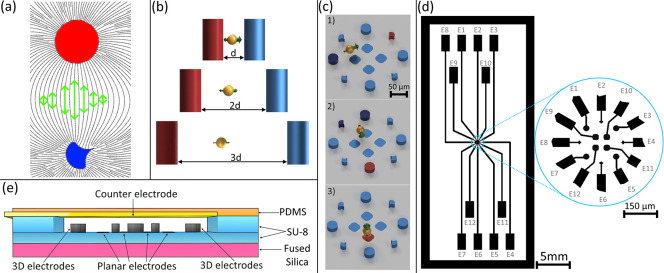 Figure 24
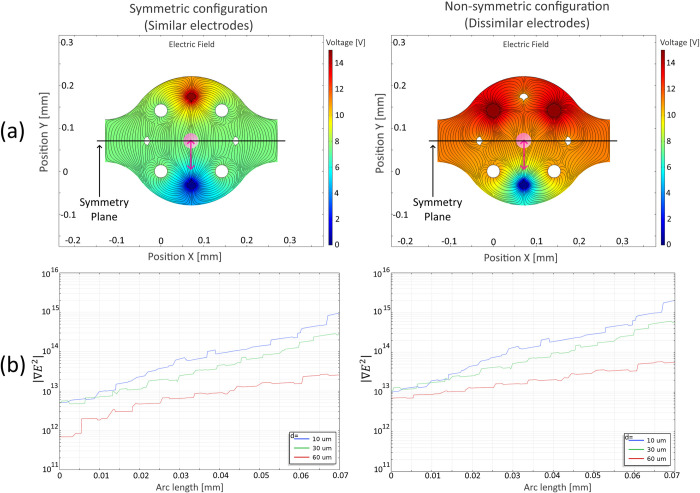 Figure 25
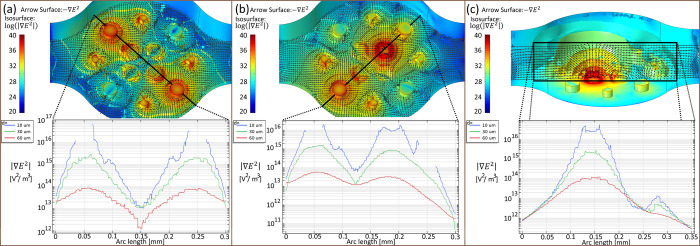 Figure 26
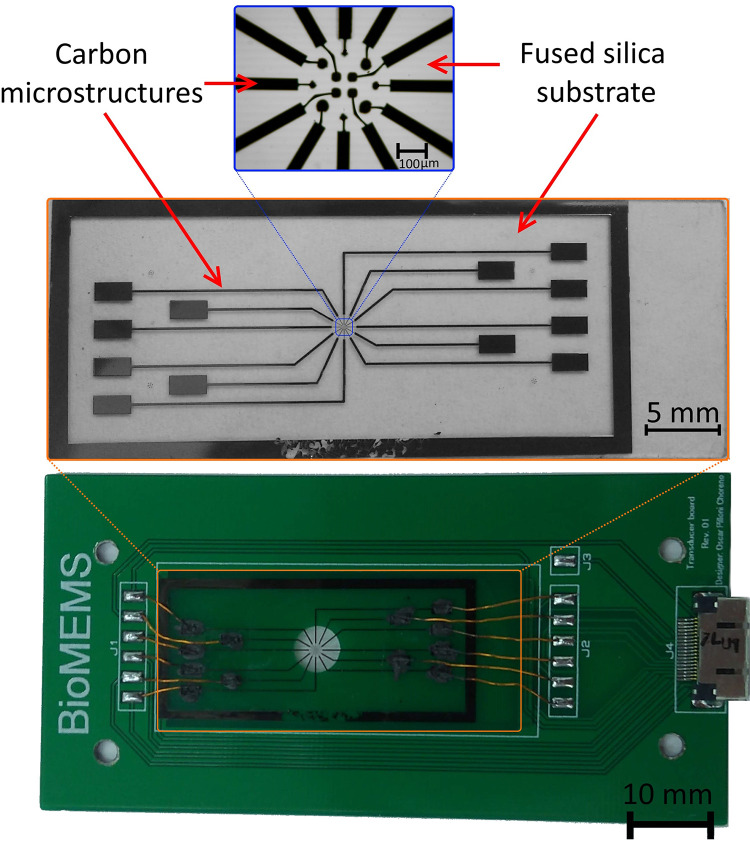 Figure 27
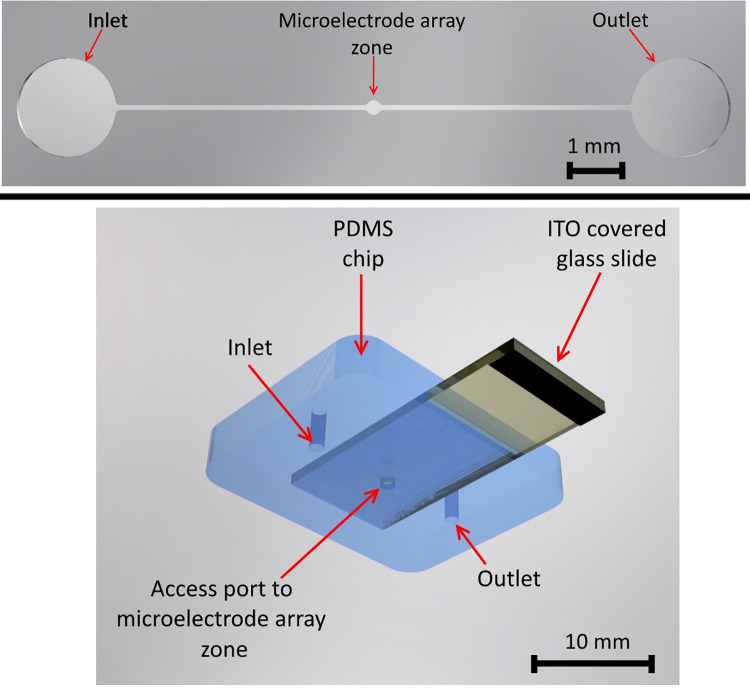 Figure 28
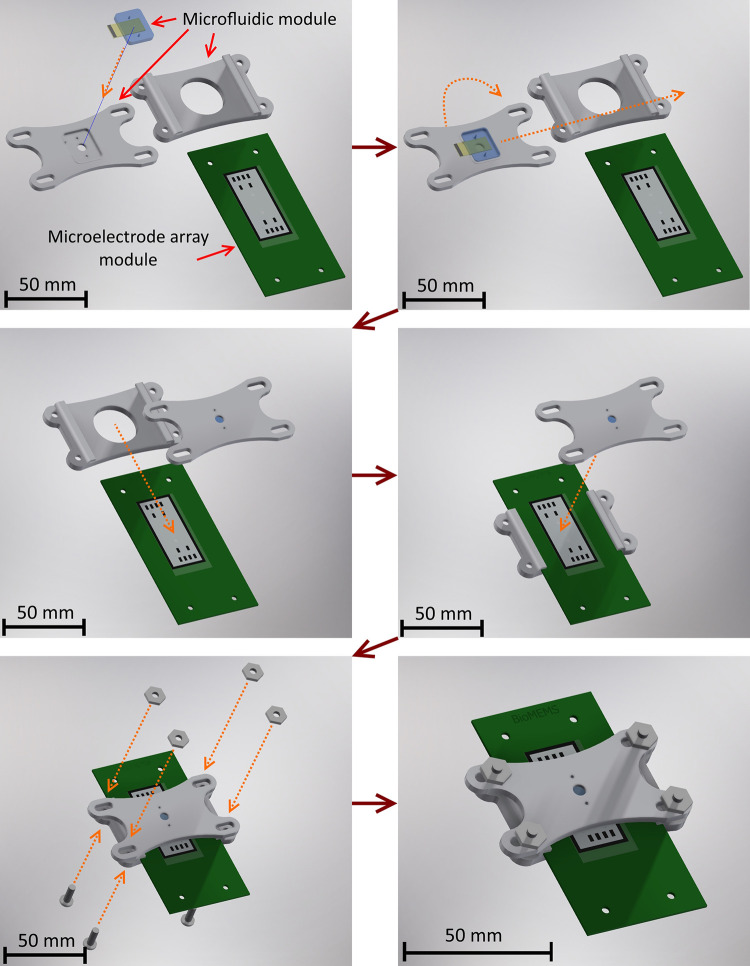 Figure 29
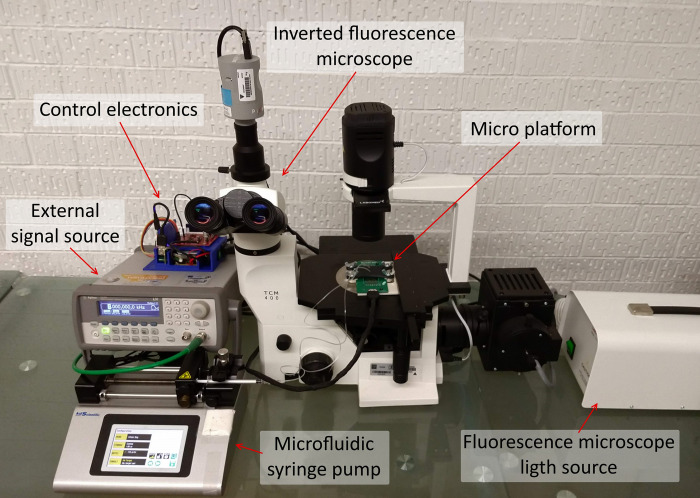 Figure 30
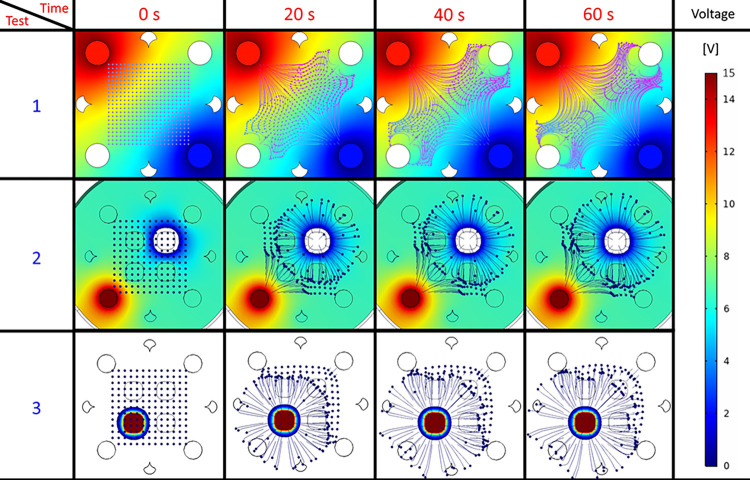 Figure 31
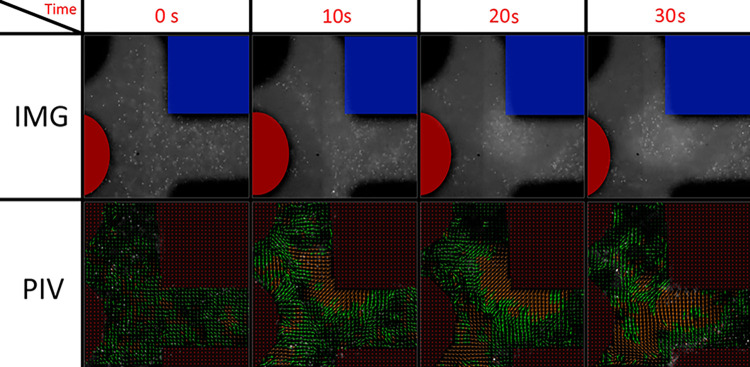 Figure 32
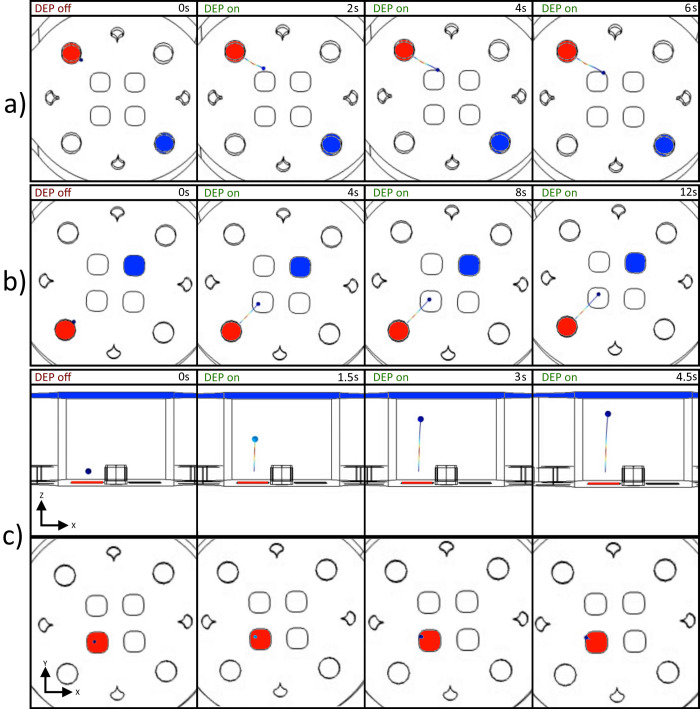 Figure 33
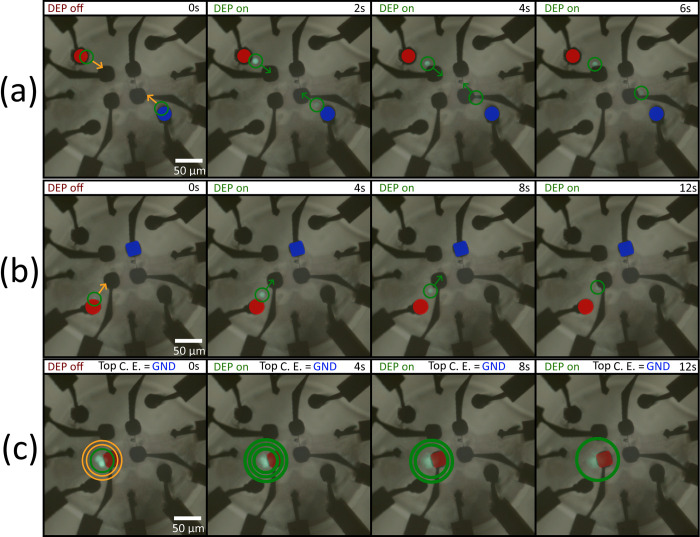 Figure 34
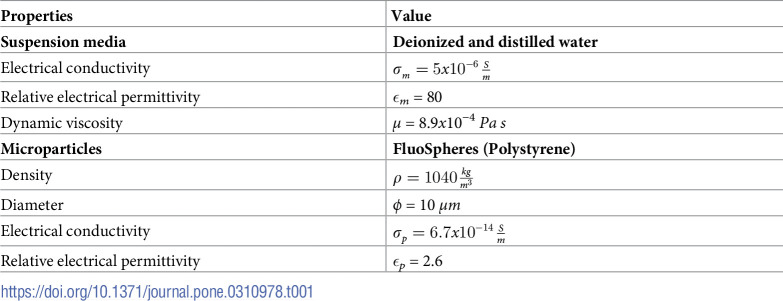 Figure 35
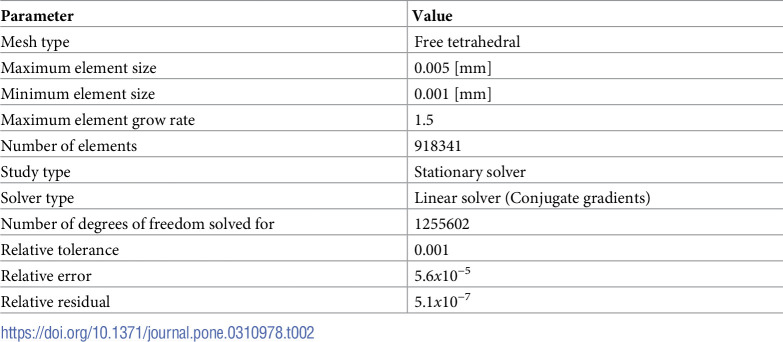 Figure 36
 Figure 37
Peer Reviews
No public reviews on file for this paper yet. If you reviewed it on a platform where reviews are public (OpenReview, ICLR, NeurIPS, ICML), you can paste yours below so the community can read it here.
Videos
No videos yet. Explain this paper in a talk, walkthrough, or lecture? Add one.
Taxonomy
TopicsMicrofluidic and Bio-sensing Technologies · Electrowetting and Microfluidic Technologies · Microfluidic and Capillary Electrophoresis Applications