Estimating population infection rates from non-random testing data: Evidence from the COVID-19 pandemic
David Benatia, Raphael Godefroy, Joshua Lewis

TL;DR
This paper introduces a new method to estimate how many people are infected in a population using non-random testing data, showing that many more people had COVID-19 than were officially diagnosed.
Contribution
The paper introduces a novel methodology to estimate real-time infection rates using non-random testing data.
Findings
For every identified case of COVID-19, there were 12 estimated infections in the population.
The estimates align with seroprevalence surveys and excess mortality data during the pandemic's first wave.
Abstract
To effectively respond to an emerging infectious disease outbreak, policymakers need timely and accurate measures of disease prevalence in the general population. This paper presents a new methodology to estimate real-time population infection rates from non-random testing data. The approach compares how the observed positivity rate varies with the size of the tested population and applies this gradient to infer total population infections. Applying this methodology to daily testing data across U.S. states during the first wave of the COVID-19 pandemic, we estimated widespread undiagnosed COVID-19 infections. Nationwide, we found that for every identified case, there were 12 population infections. Our prevalence estimates align with results from seroprevalence surveys, alternate approaches to measuring COVID-19 infections, and total excess mortality during the first wave of the pandemic.
Genes, proteins, chemicals, diseases, species, mutations and cell lines named across the full text — each resolved to its canonical identifier and authoritative record.
Click any figure to enlarge with its caption.
 Figure 1
 Figure 2
 Figure 3
 Figure 4
 Figure 5
 Figure 6
 Figure 7
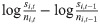 Figure 8
 Figure 9
 Figure 10
 Figure 11
 Figure 12
 Figure 13
 Figure 14
 Figure 15
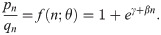 Figure 16
 Figure 17
 Figure 18
 Figure 19
 Figure 20
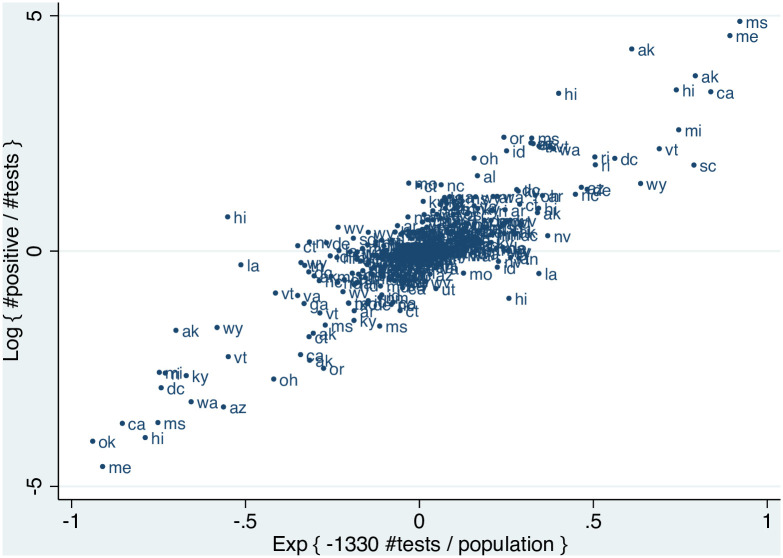 Figure 21
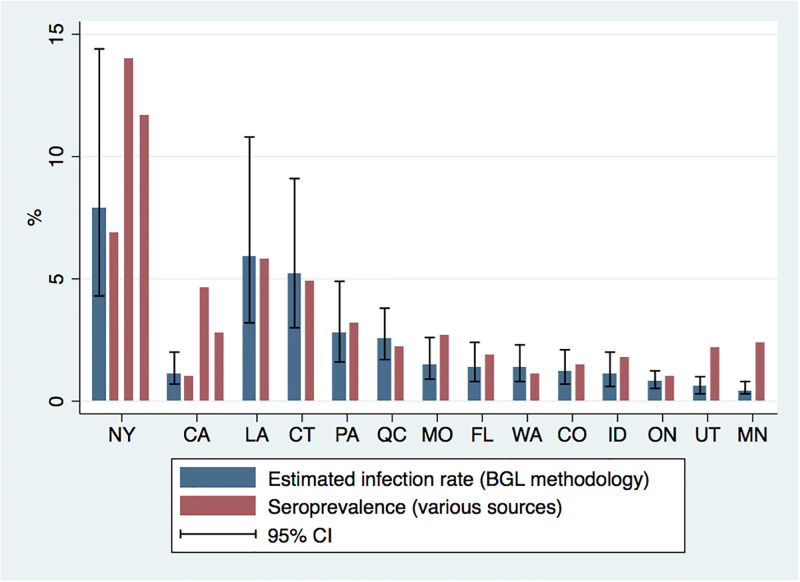 Figure 22
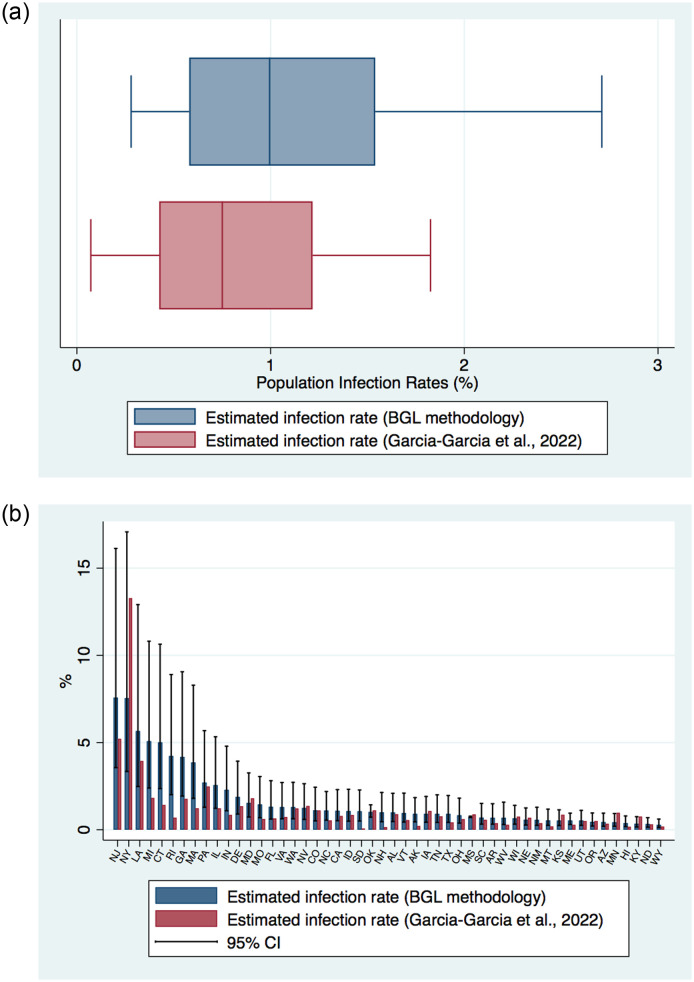 Figure 23
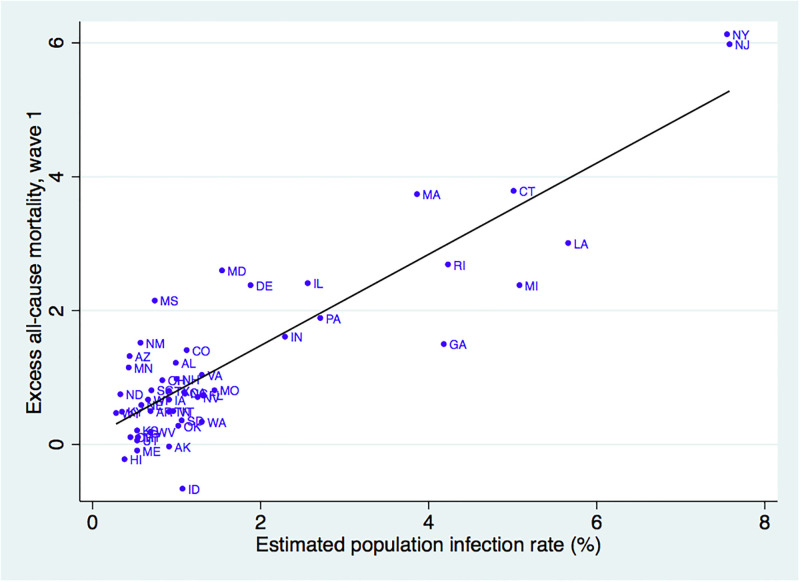 Figure 24
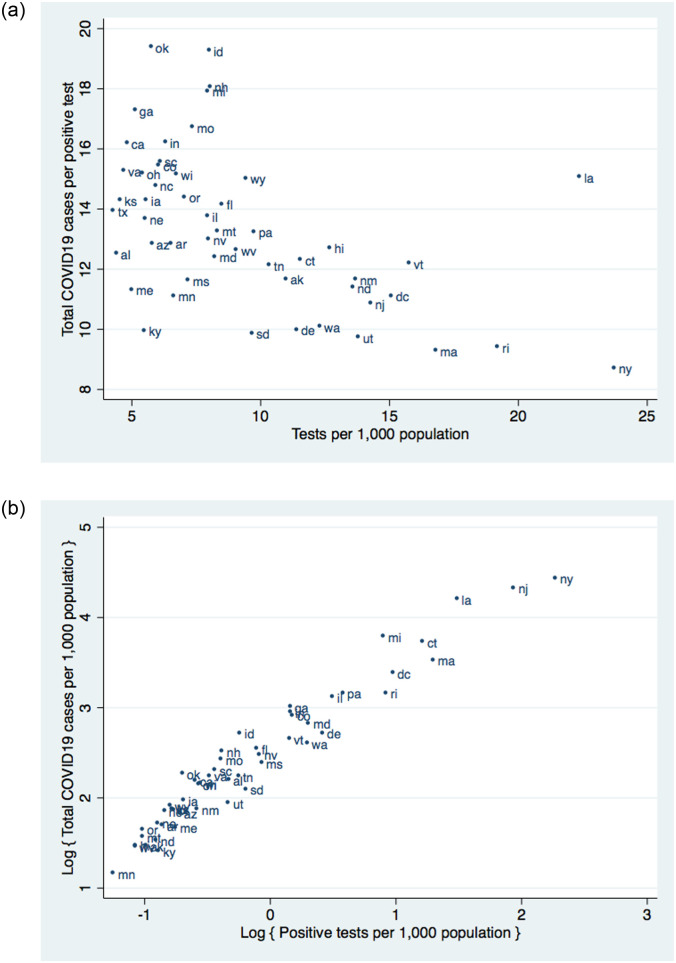 Figure 25
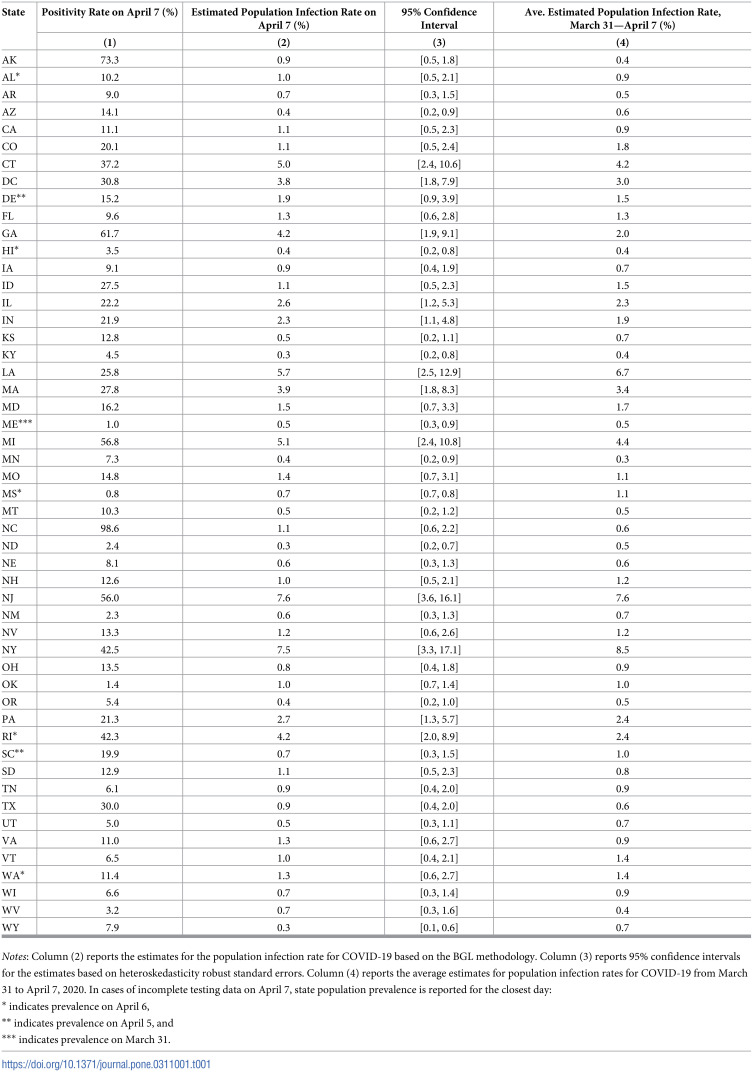 Figure 26
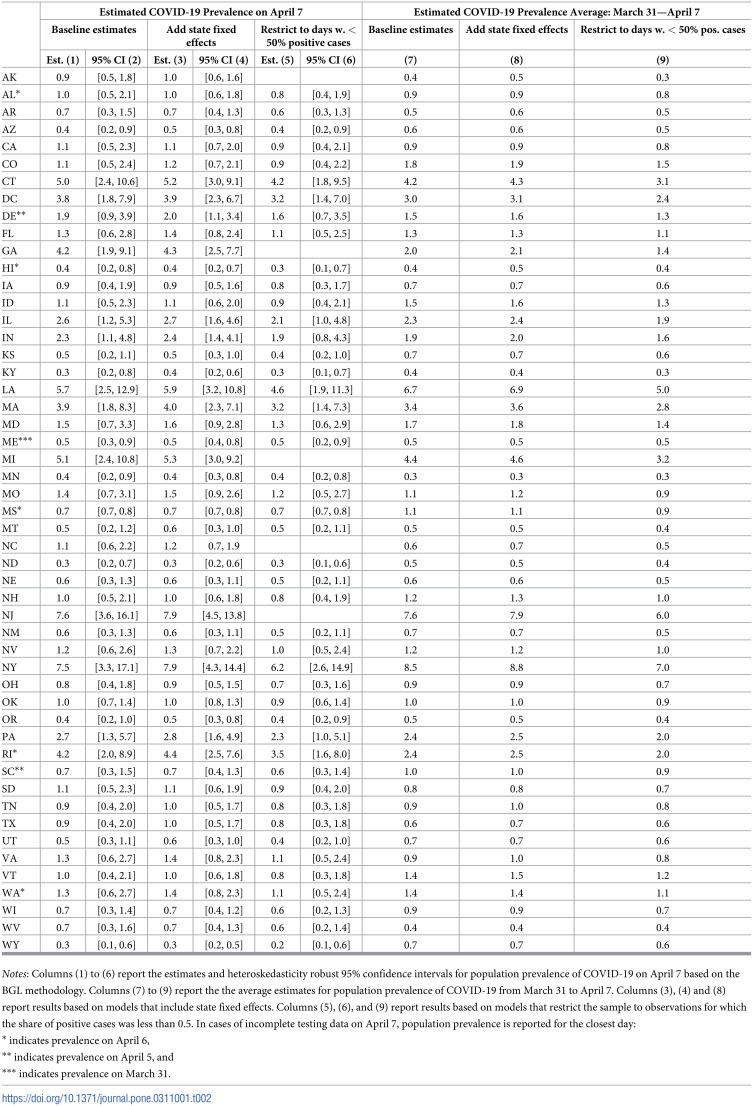 Figure 27
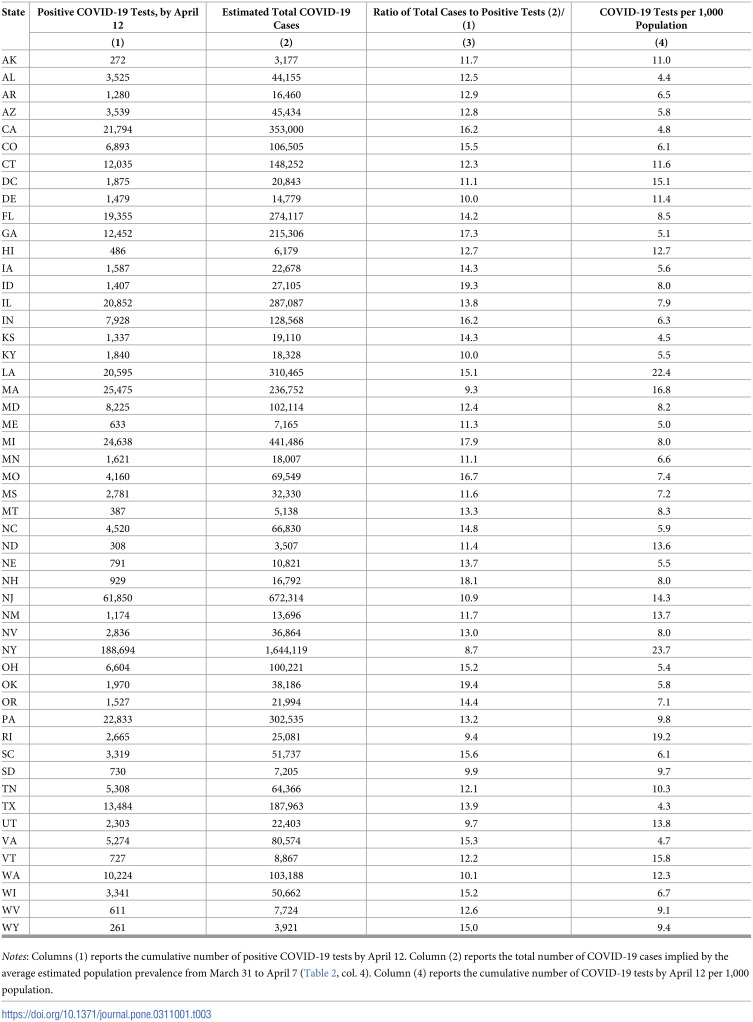 Figure 28
Peer Reviews
No public reviews on file for this paper yet. If you reviewed it on a platform where reviews are public (OpenReview, ICLR, NeurIPS, ICML), you can paste yours below so the community can read it here.
Videos
No videos yet. Explain this paper in a talk, walkthrough, or lecture? Add one.
Taxonomy
TopicsCOVID-19 epidemiological studies · SARS-CoV-2 and COVID-19 Research · Data-Driven Disease Surveillance