Signal-sensing triggers the shutdown of HemKR, regulating heme and iron metabolism in the spirochete Leptospira biflexa
Juan Andrés Imelio, Felipe Trajtenberg, Sonia Mondino, Leticia Zarantonelli, Iakov Vitrenko, Laure Lemée, Thomas Cokelaer, Mathieu Picardeau, Alejandro Buschiazzo, Brian Stevenson, Brian Stevenson, Brian Stevenson

TL;DR
This study reveals how the HemKR system in Leptospira biflexa regulates heme and iron metabolism by sensing signals like ALA, helping the bacteria manage essential but potentially toxic compounds.
Contribution
The study identifies ALA as a signal that triggers HemKR shutdown and expands the list of HemKR-regulated genes in Leptospira.
Findings
5-aminolevulinic acid (ALA) triggers HemKR pathway shutdown by activating HemK phosphatase activity.
HemKR regulates genes involved in heme metabolism and transport, including hemA and hmuO.
HemR inactivation leads to iron-deficit tolerance, suggesting a role in iron metabolism integration.
Abstract
Heme and iron metabolic pathways are highly intertwined, both compounds being essential for key biological processes, yet becoming toxic if overabundant. Their concentrations are exquisitely regulated, including via dedicated two-component systems (TCSs) that sense signals and regulate adaptive responses. HemKR is a TCS present in both saprophytic and pathogenic Leptospira species, involved in the control of heme metabolism. However, the molecular means by which HemKR is switched on/off in a signal-dependent way, are still unknown. Moreover, a comprehensive list of HemKR-regulated genes, potentially overlapped with iron-responsive targets, is also missing. Using the saprophytic species Leptospira biflexa as a model, we now show that 5-aminolevulinic acid (ALA) triggers the shutdown of the HemKR pathway in live cells, and does so by stimulating the phosphatase activity of HemK towards…
Genes, proteins, chemicals, diseases, species, mutations and cell lines named across the full text — each resolved to its canonical identifier and authoritative record.
Click any figure to enlarge with its caption.
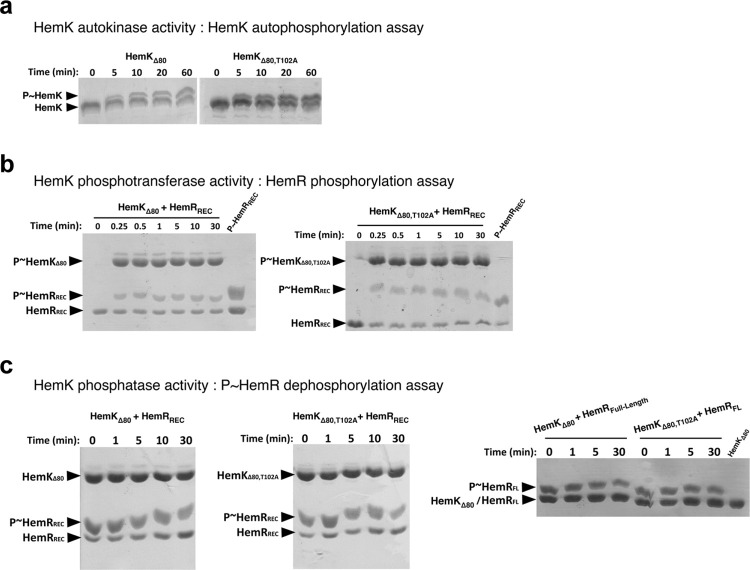 Figure 1
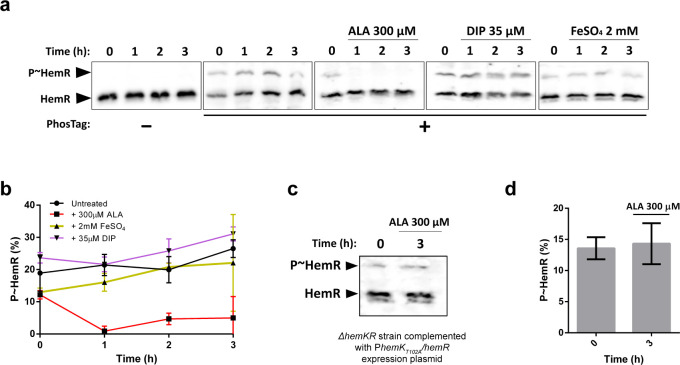 Figure 2
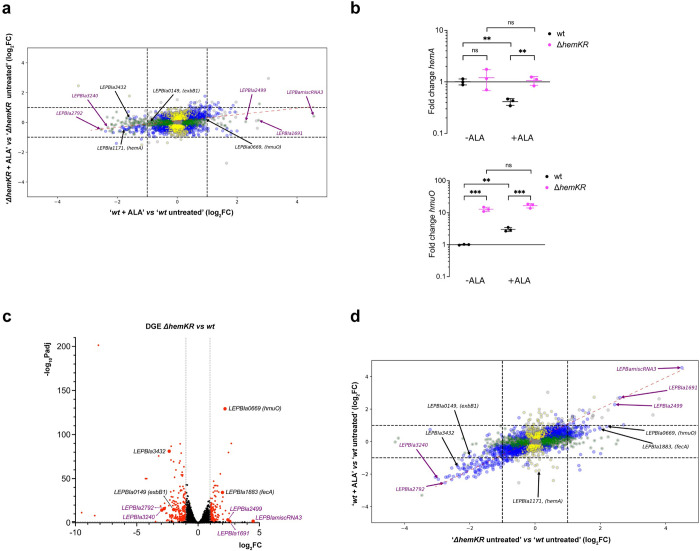 Figure 3
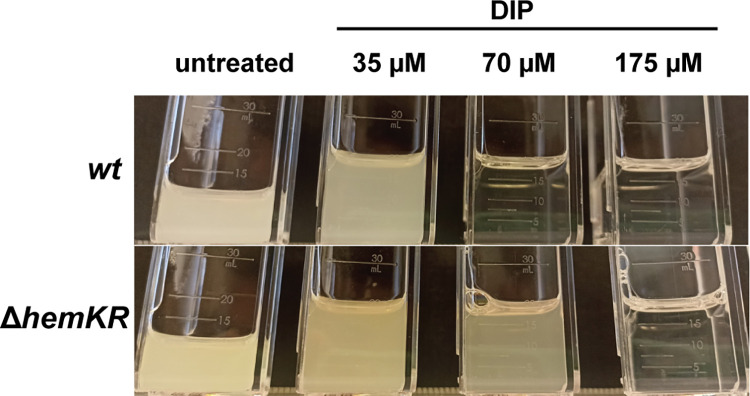 Figure 4
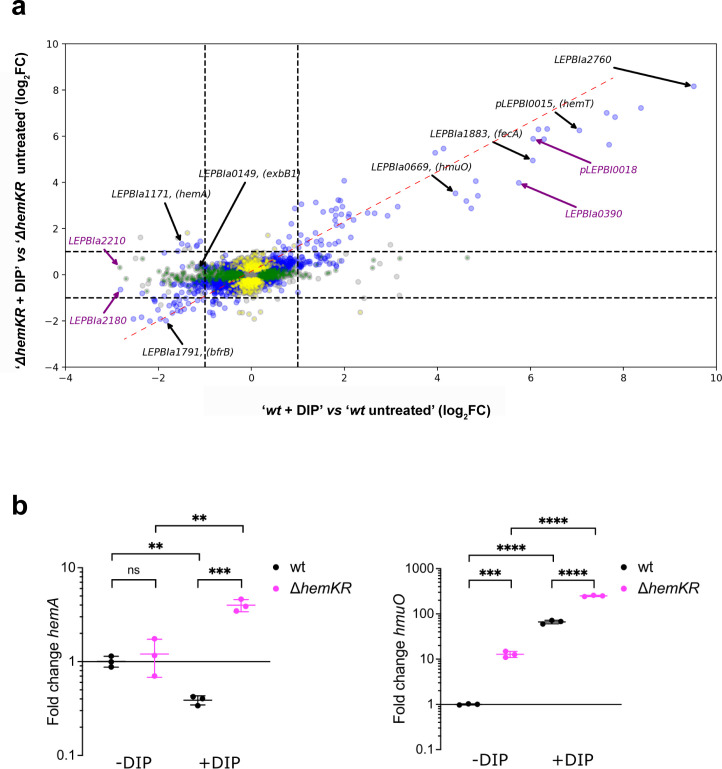 Figure 5
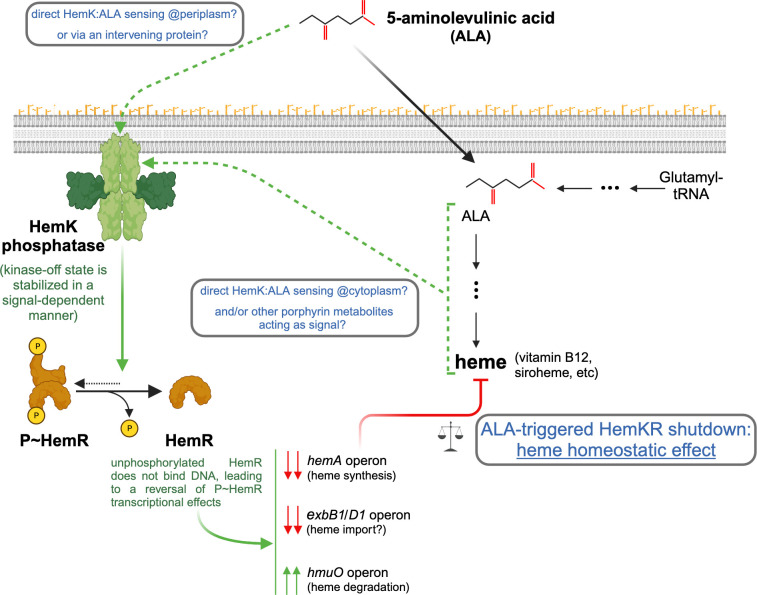 Figure 6
Peer Reviews
No public reviews on file for this paper yet. If you reviewed it on a platform where reviews are public (OpenReview, ICLR, NeurIPS, ICML), you can paste yours below so the community can read it here.
Videos
No videos yet. Explain this paper in a talk, walkthrough, or lecture? Add one.
Taxonomy
TopicsLeptospirosis research and findings · Viral Infections and Vectors