Anti-inflammatory and anti-arthritic activities of ethanolic extract of Myxopyrum serratulum A.W. Hill
Sheela Rani T, Srikanth Jeyabalan, Sivaraman Dhanasekaran, Mahendran Sekar, Vetriselvan Subramaniyan, Ling Shing Wong

TL;DR
This study shows that an extract from Myxopyrum serratulum can reduce inflammation and arthritis symptoms in rats, suggesting it could be a safer alternative treatment for rheumatoid arthritis.
Contribution
The study demonstrates the ethnomedical potential of Myxopyrum serratulum as a novel anti-inflammatory and anti-arthritis agent with fewer side effects.
Findings
EEMS showed dose-dependent anti-inflammatory effects and reversed arthritic-induced weight loss in rats.
EEMS reduced cathepsin-D levels, hepatic lipid peroxidation, and increased antioxidants like SOD, GSH, and GPX.
EEMS at 400 mg/kg restored joint structure and significantly decreased IL1 levels in arthritic rats.
Abstract
Rheumatoid arthritis (RA) is a debilitating inflammatory disorder characterized by an overactive immune system targeting joints, leading to inflammation and intense pain. While current RA therapies effectively alleviate symptoms, they are often associated with significant side effects. This study aimed to assess the anti-inflammatory and anti-arthritic properties of an Ethanolic Extract of Myxopyrum serratulum A.W. Hill (EEMS) using animal models. The acute toxicity study with EEMS (2000 mg/kg, p.o.) on rats showed no toxicity or mortality up to the highest dose. Inflammation was induced using carrageenan, and rats were treated with varying doses of EEMS (100, 200, and 400 mg/kg, p.o.) and diclofenac to assess anti-inflammatory effects. Anti-arthritic efficacy was evaluated using Complete Freund’s adjuvant (CFA)-induced inflammation, comparing EEMS to methotrexate. The results revealed…
Genes, proteins, chemicals, diseases, species, mutations and cell lines named across the full text — each resolved to its canonical identifier and authoritative record.
Click any figure to enlarge with its caption.
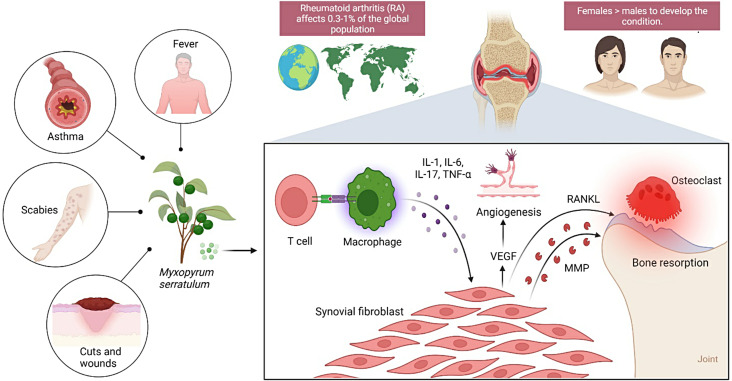 Figure 1
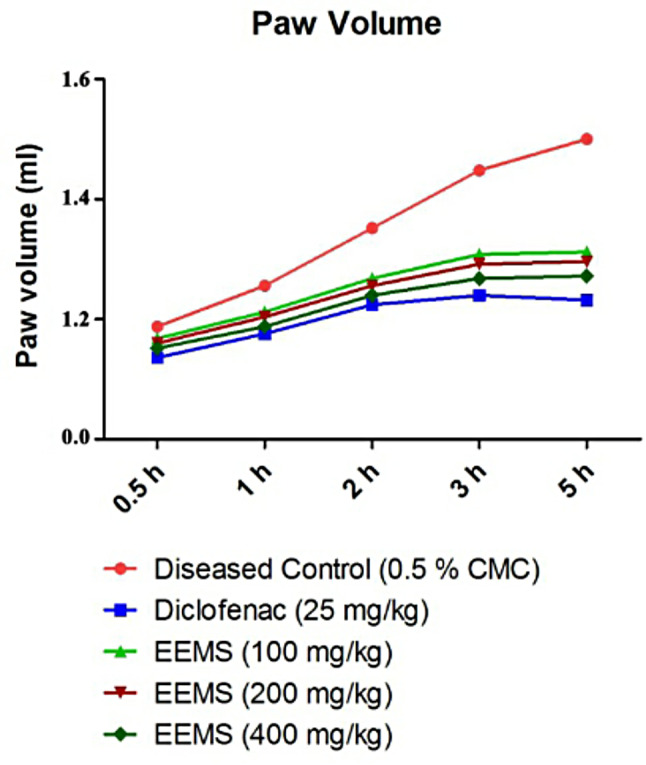 Figure 2
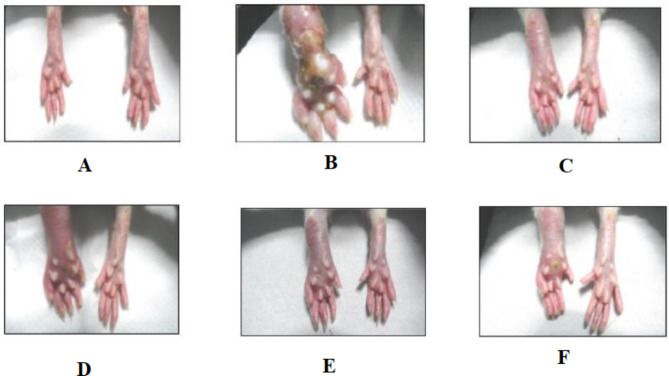 Figure 3
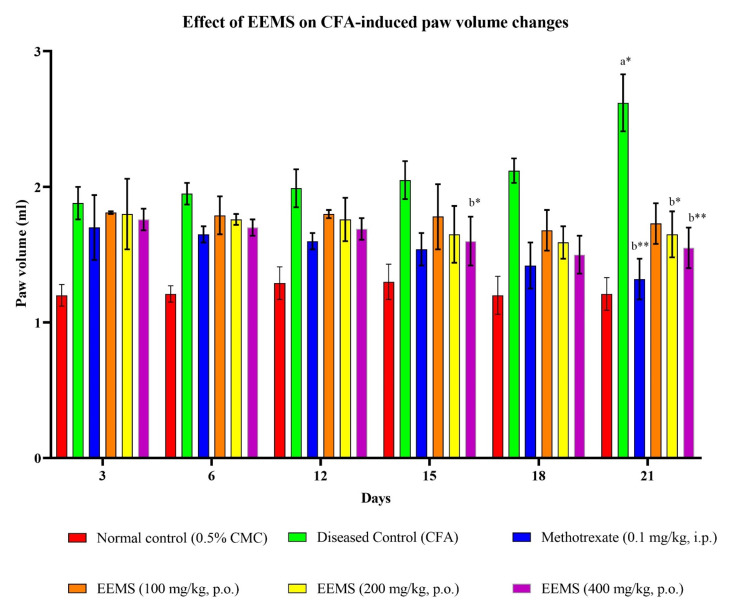 Figure 4
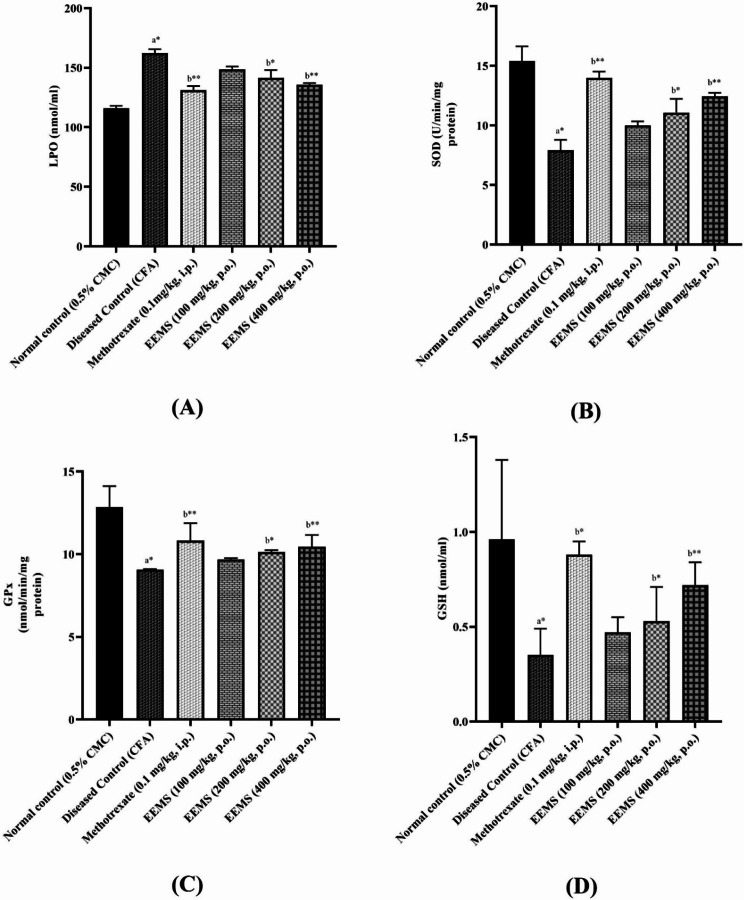 Figure 5
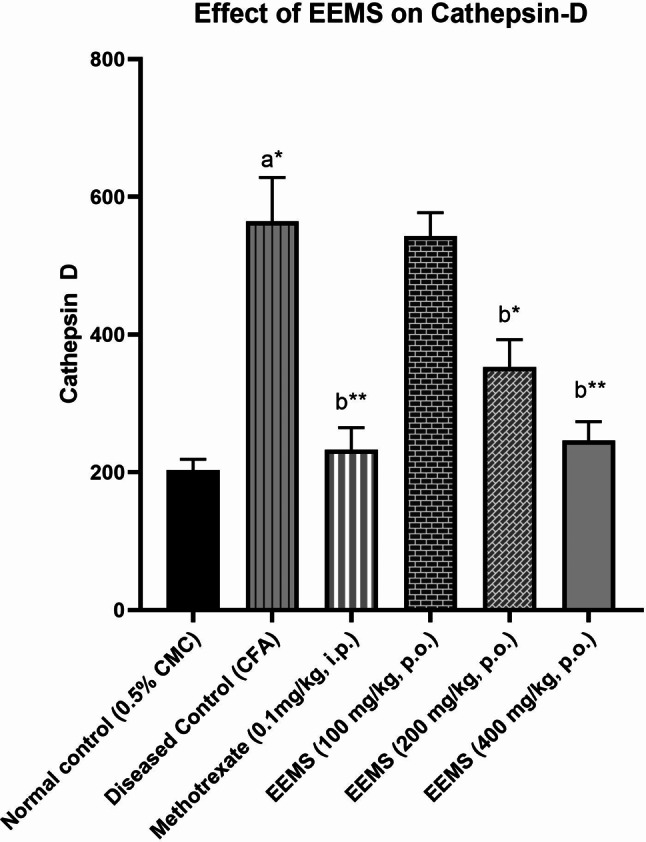 Figure 6
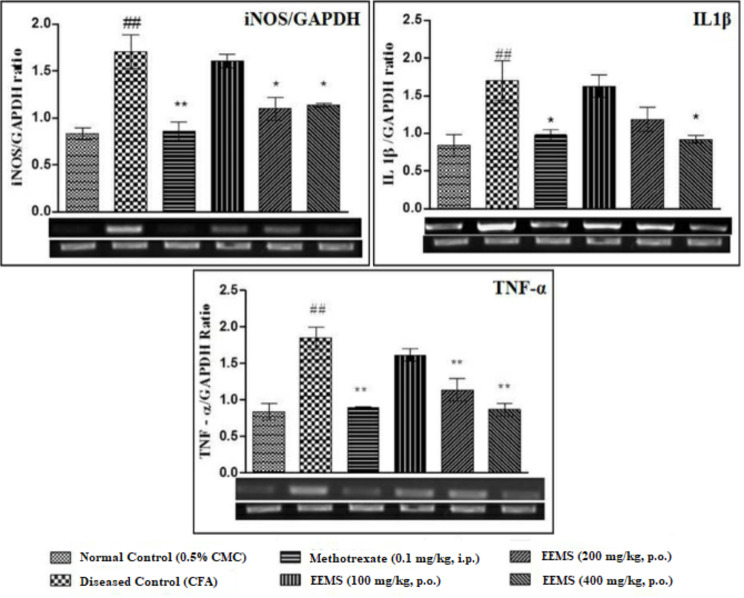 Figure 7
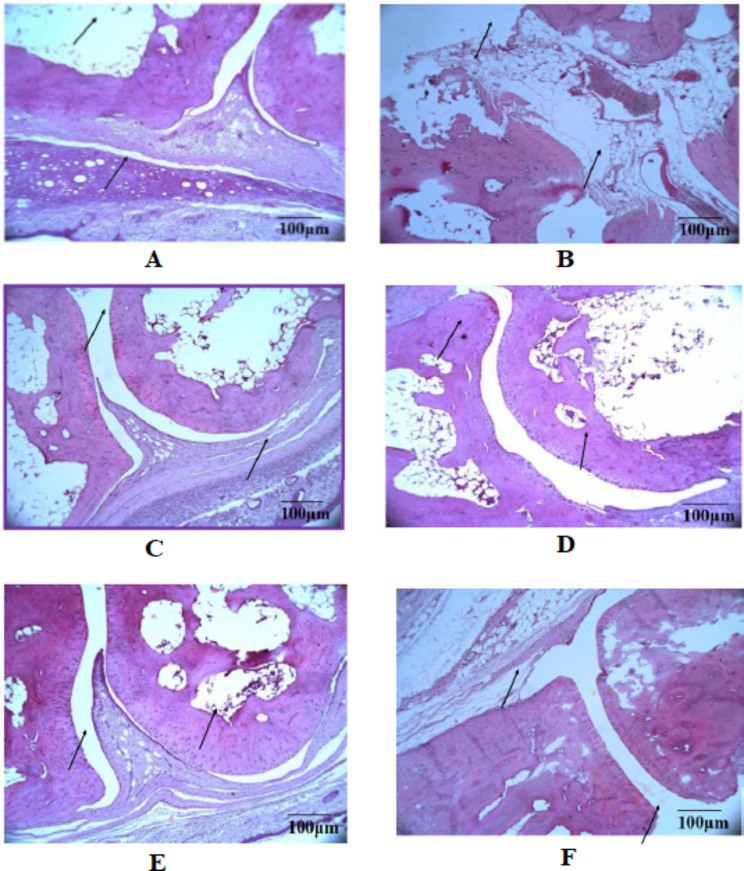 Figure 8
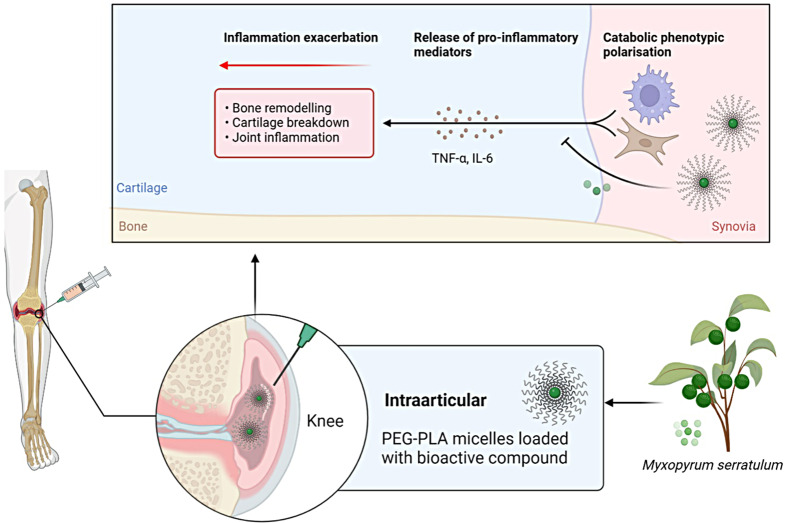 Figure 9
Peer Reviews
No public reviews on file for this paper yet. If you reviewed it on a platform where reviews are public (OpenReview, ICLR, NeurIPS, ICML), you can paste yours below so the community can read it here.
Videos
No videos yet. Explain this paper in a talk, walkthrough, or lecture? Add one.
Taxonomy
TopicsPhytochemistry and Biological Activities · Natural product bioactivities and synthesis · Essential Oils and Antimicrobial Activity