Decoupling Charge Carrier Electroreduction and Enzymatic CO2 Conversion to Formate Using a Dual-Cell Flow Reactor System
Daniel Moreno, Ayokunle Omosebi, Byoung Wook Jeon, Keemia Abad, Yong Hwan Kim, Jesse Thompson, Kunlei Liu

TL;DR
A dual-cell system efficiently converts CO2 to formic acid using enzymes, avoiding unwanted reactions and improving long-term performance.
Contribution
A dual-cell flow reactor system is introduced to decouple electroreduction and enzymatic CO2 conversion, enhancing formate production and stability.
Findings
The system produced 25 mM of formate with over 50% Coulombic efficiency.
Long-term stability was achieved using pH control and packed bed reactor configurations.
The dual-cell system outperformed batch cells in formate production quantity.
Abstract
With an efficient atom economy, low activation energy, and valuable applications for fuel cells and hydrogen storage, formic acid (FA) is a useful fuel product to convert CO2 and reduce emissions. Although metal catalysts are typically used for this conversion, unwanted side reactions remain a concern, particularly when products are attempted to be recovered long-term. In this study, an enzymatic catalyst is used to enable the selective conversion of CO2 to FA, as a formate ion. A dual-cell flow reactor system is used to first reduce a charge mediator electrochemically (reduction cell), which then activates a catalyst to selectively convert CO2 to formate (production cell). This approach minimizes enzyme degradation by avoiding direct contact with increased voltages and improves the quantity of formate produced. The system produced 25 mM of formate and reached over 50% Coulombic…
Genes, proteins, chemicals, diseases, species, mutations and cell lines named across the full text — each resolved to its canonical identifier and authoritative record.
Click any figure to enlarge with its caption.
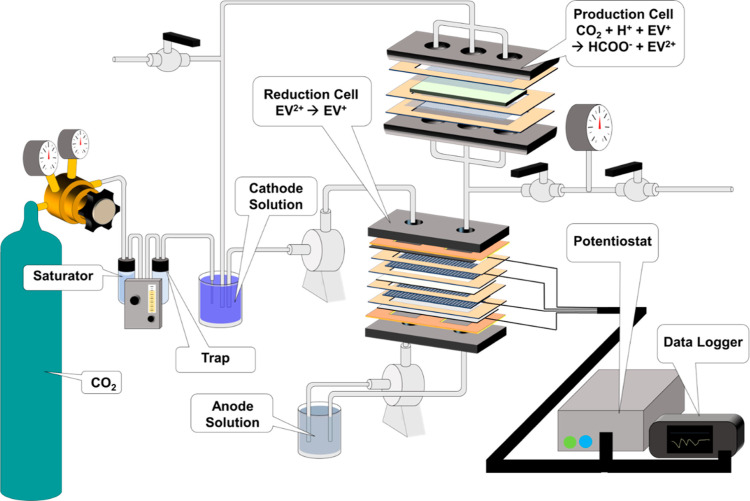 Figure 1
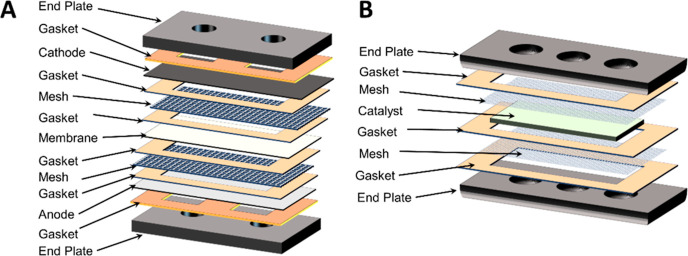 Figure 2
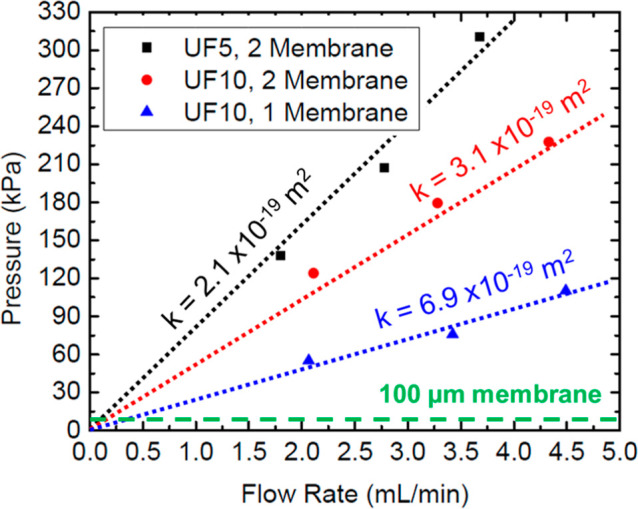 Figure 3
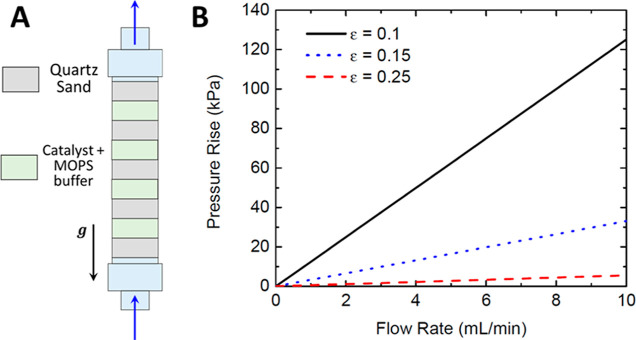 Figure 4
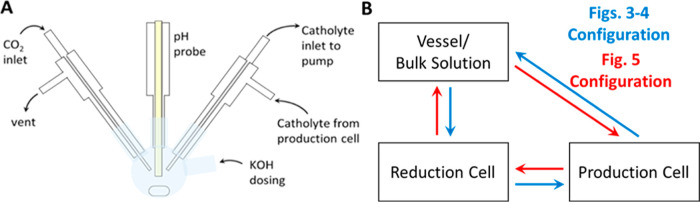 Figure 5
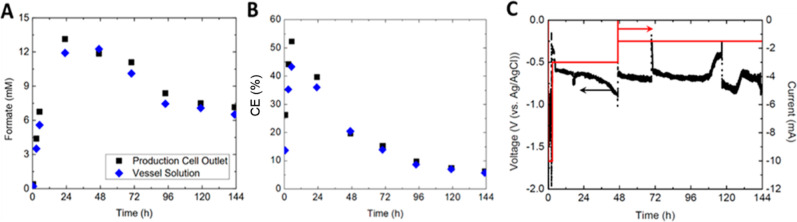 Figure 6
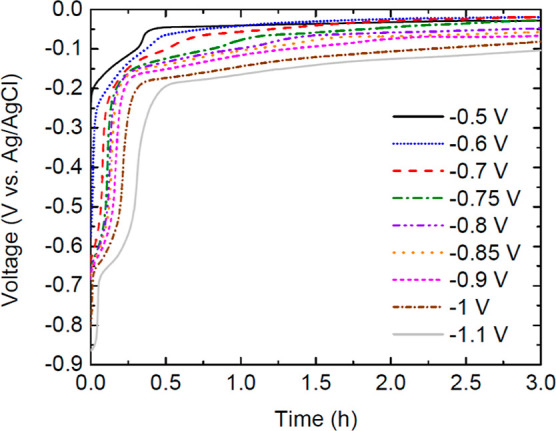 Figure 7
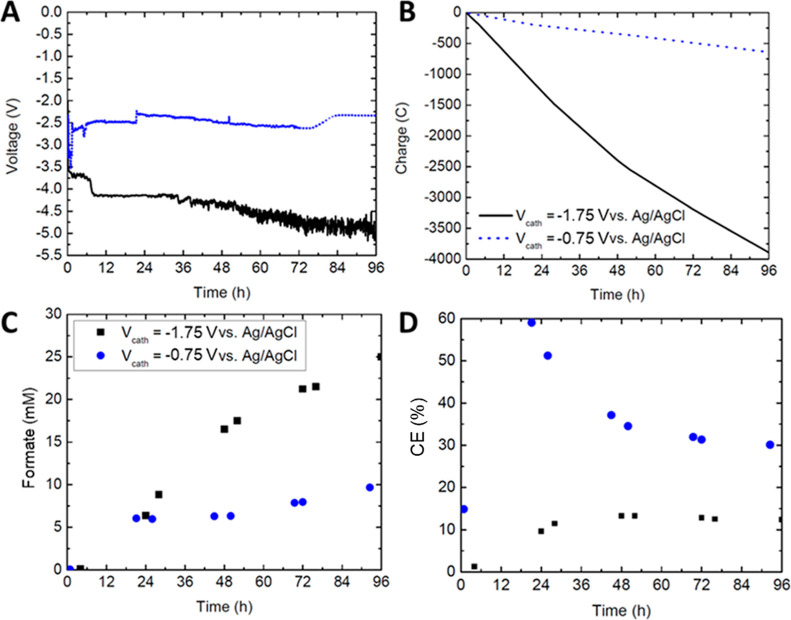 Figure 8
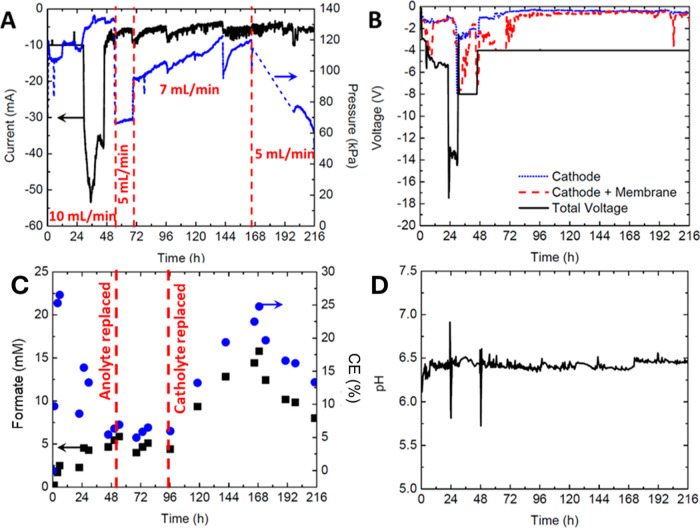 Figure 9
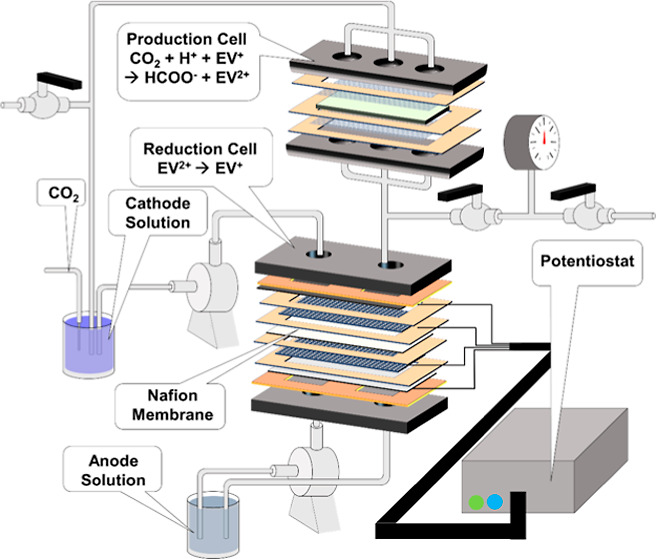 Figure 10
 Figure 11
 Figure 12
 Figure 13
 Figure 14
 Figure 15
 Figure 16
 Figure 17
 Figure 18
 Figure 19
 Figure 20
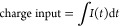 Figure 21
Peer Reviews
No public reviews on file for this paper yet. If you reviewed it on a platform where reviews are public (OpenReview, ICLR, NeurIPS, ICML), you can paste yours below so the community can read it here.
Videos
No videos yet. Explain this paper in a talk, walkthrough, or lecture? Add one.
Taxonomy
TopicsCO2 Reduction Techniques and Catalysts · Ionic liquids properties and applications · Electrocatalysts for Energy Conversion