The quantum hypercube as a k-mer graph
Gustavo Becerra-Gavino, Liliana Ibeth Barbosa-Santillan

TL;DR
This paper explores using quantum computing to search for DNA sequences by representing them as a quantum hypercube, aiming to improve bioinformatics.
Contribution
The paper introduces the quantum hypercube as a novel framework for representing k-mer graphs in quantum computing.
Findings
The quantum hypercube enables parallelism through superposition and entanglement for k-mer search.
The quantum walk search is not always successful in hitting the target k-mer.
The study identifies useful input-target combinations for quantum walk search.
Abstract
The application of quantum principles in computing has garnered interest since the 1980s. Today, this concept is not only theoretical, but we have the means to design and execute techniques that leverage the quantum principles to perform calculations. The emergence of the quantum walk search technique exemplifies the practical application of quantum concepts and their potential to revolutionize information technologies. It promises to be versatile and may be applied to various problems. For example, the coined quantum walk search allows for identifying a marked item in a combinatorial search space, such as the quantum hypercube. The quantum hypercube organizes the qubits such that the qubit states represent the vertices and the edges represent the transitions to the states differing by one qubit state. It offers a novel framework to represent k-mer graphs in the quantum realm. Thus, the…
Genes, proteins, chemicals, diseases, species, mutations and cell lines named across the full text — each resolved to its canonical identifier and authoritative record.
Click any figure to enlarge with its caption.
 Figure 1
 Figure 2
 Figure 3
 Figure 4
 Figure 5
 Figure 6
 Figure 7
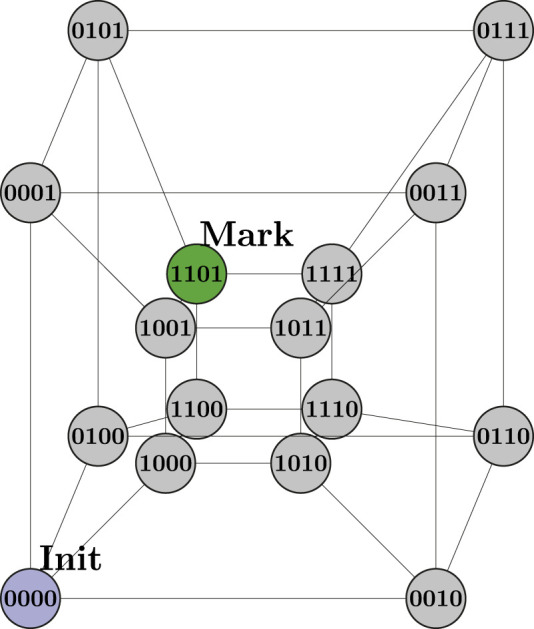 Figure 8
 Figure 9
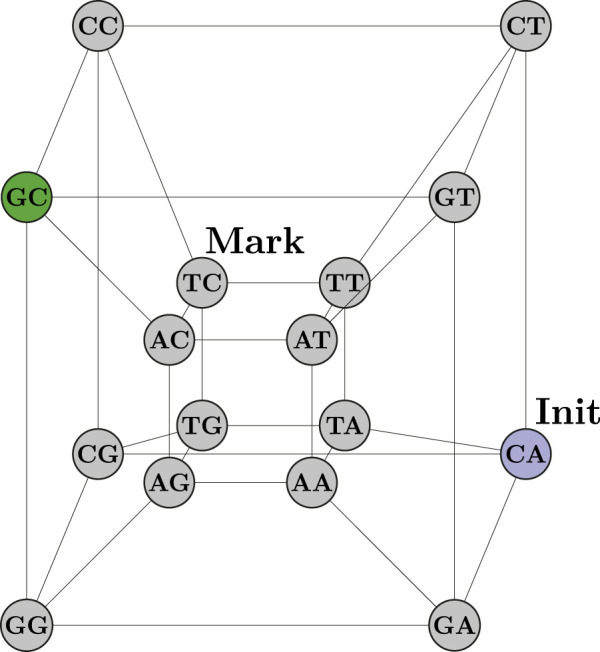 Figure 10
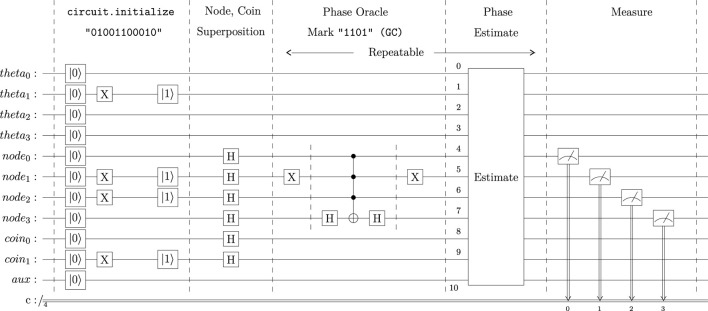 Figure 11
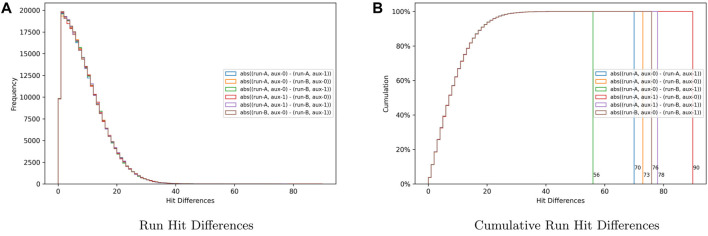 Figure 12
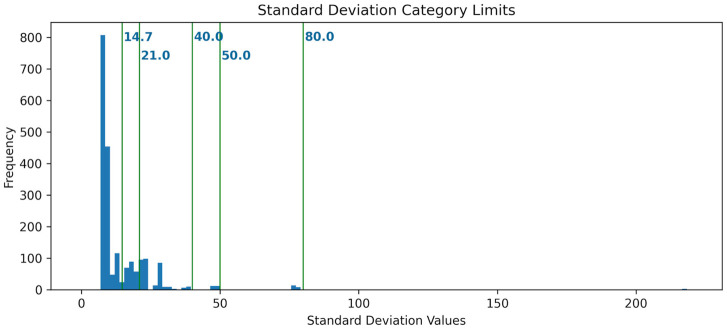 Figure 13
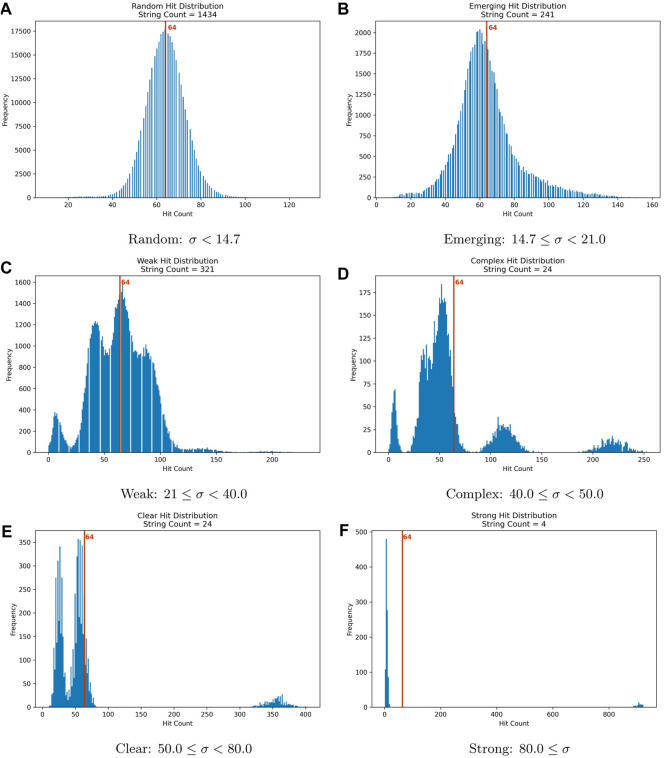 Figure 14
Peer Reviews
No public reviews on file for this paper yet. If you reviewed it on a platform where reviews are public (OpenReview, ICLR, NeurIPS, ICML), you can paste yours below so the community can read it here.
Videos
No videos yet. Explain this paper in a talk, walkthrough, or lecture? Add one.
Taxonomy
TopicsQuantum Computing Algorithms and Architecture · Quantum-Dot Cellular Automata · Quantum Information and Cryptography