Effect of Zinc Supplementation on Body Composition of Duchenne Muscular Dystrophy Patients: A Quasi-Experimental Study
Thais A. Cunha, Karina M. Vermeulen-Serpa, Evellyn C. Grilo, Mário E. T. Dourado-Júnior, Breno G. P. Bezerra, Núbia R. S. M. Torres, Márcia M. G. D. Lopes, Lucia Leite-Lais, José Brandão-Neto, Sancha H. L. Vale

TL;DR
This study found that zinc supplementation helped maintain lean body mass in boys with Duchenne muscular dystrophy who had zinc deficiencies.
Contribution
The study demonstrates the potential benefit of zinc supplementation in preserving body composition in DMD patients with zinc deficiency.
Findings
Lean body mass was significantly higher in patients with adequate zinc levels compared to those with deficiencies.
Zinc supplementation maintained lean and fat mass in DMD patients with prior zinc deficiencies.
No significant changes in serum zinc levels were observed between groups after supplementation.
Abstract
The study hypothesized that zinc supplementation would increase or preserve lean body mass in Duchenne muscular dystrophy (DMD) patients. Therefore, we aimed to evaluate the body composition of DMD patients before and after zinc supplementation. The study is a clinical trial comprising 21 boys diagnosed with DMD. Dietary intake parameters were evaluated before zinc supplementation. Serum zinc levels, anthropometry, and body composition were measured in three moments, four months apart. The patients received 5, 10, or 15 mg of zinc bis-glycine supplementation according to age as an oral solution daily for four months. The sample was distributed into two groups according to serum zinc status: zinc deficiency (G1) or adequate zinc (G2). There was a significant difference in lean body mass between the groups: zinc deficiency (G1) or adequate zinc (G2), at three times (p=0.041, 0.016, and…
Genes, proteins, chemicals, diseases, species, mutations and cell lines named across the full text — each resolved to its canonical identifier and authoritative record.
Click any figure to enlarge with its caption.
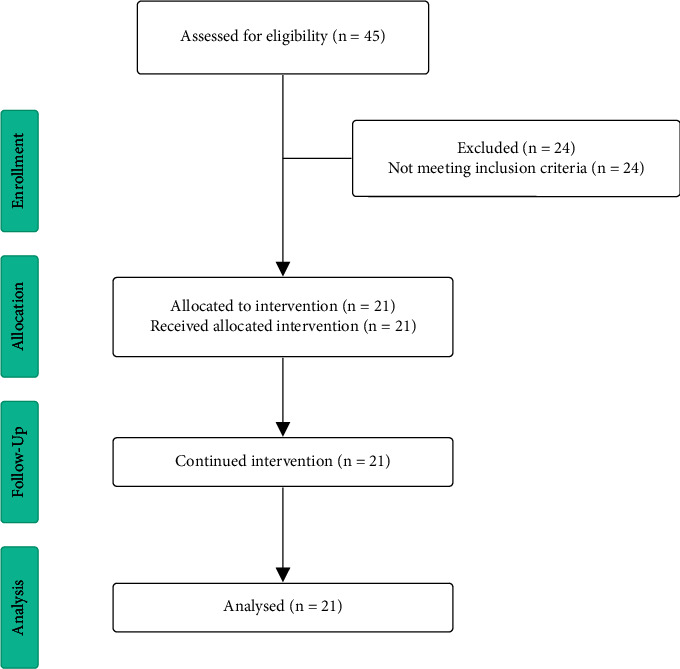 Figure 1
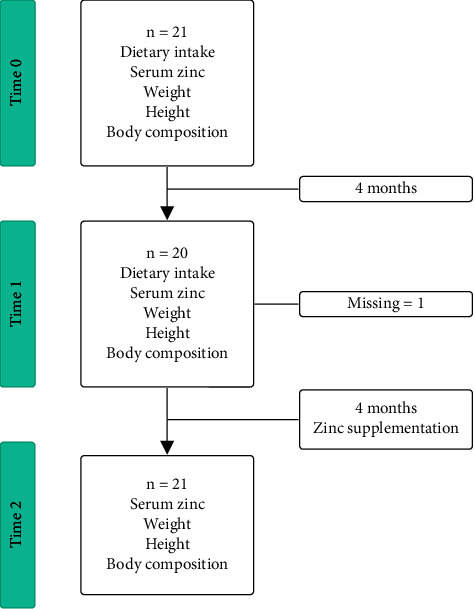 Figure 2
 Figure 3
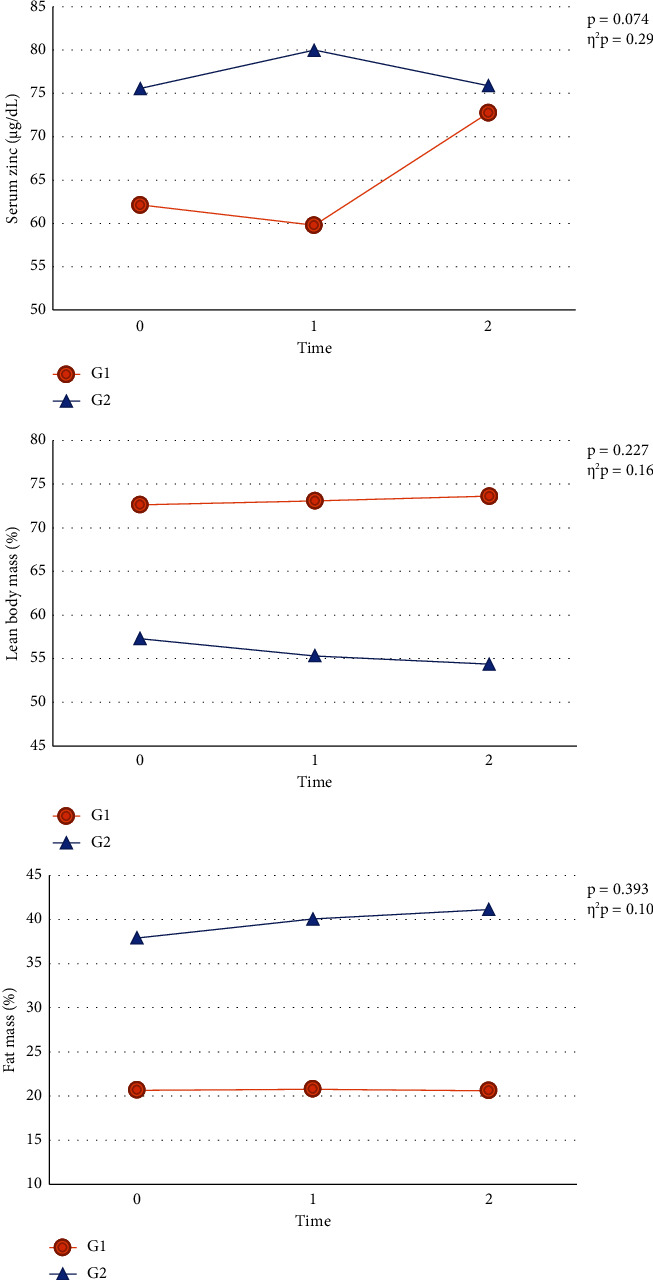 Figure 4
Peer Reviews
No public reviews on file for this paper yet. If you reviewed it on a platform where reviews are public (OpenReview, ICLR, NeurIPS, ICML), you can paste yours below so the community can read it here.
Videos
No videos yet. Explain this paper in a talk, walkthrough, or lecture? Add one.
Taxonomy
TopicsMuscle Physiology and Disorders · Nutrition and Health in Aging · Prosthetics and Rehabilitation Robotics