Widespread haemorrhages in infants post-shunting (WHIPS): clinical features, risk factors and neuroimaging characteristics of a rare and under-recognised phenomenon
Rahul Lakshmanan, Fariza Abu Hassan, Shashini Dissanayake, Harriet Crabtree, Aden McLaughlin, Matthew Cooper, Sharon Lee, Richard Warne, Peter Shipman

TL;DR
This paper describes a rare complication called WHIPS in infants who undergo CSF shunting, highlighting its clinical features, risk factors, and brain imaging patterns.
Contribution
The paper introduces the term WHIPS and identifies risk factors and neuroimaging characteristics specific to infants undergoing CSF shunting.
Findings
WHIPS was associated with post-haemorrhagic and post-infectious hydrocephalus.
Haemorrhages were found in cortico-subcortical regions, periventricular white matter, and deep white matter.
A larger post-op head circumference was statistically significant in WHIPS cases.
Abstract
Infants undergoing CSF shunting procedures face a rare complication which we propose to rename “Widespread Haemorrhages in Infants Post-Shunting” (WHIPS) to better capture this unique phenomenon specific to infants undergoing CSF diversion. Our objective is to analyse the risk factors for WHIPS development and provide a detailed neuroradiological description of these haemorrhages. A radiology information system (RIS) was searched using the search terms “shunt” and/or “catheter” and/or “drain” and/or “ventriculoperitoneal” and/or “VP” between September 2008 to January 2021 for patients < 12 months of age. Clinical data was compiled for each patient meeting the inclusion criteria. Included cases were reviewed by three radiologists for the presence of WHIPS with calculation of the bifrontal ratio and documenting haemorrhage number, morphology, location and lobar distribution. 51 patients…
Genes, proteins, chemicals, diseases, species, mutations and cell lines named across the full text — each resolved to its canonical identifier and authoritative record.
Click any figure to enlarge with its caption.
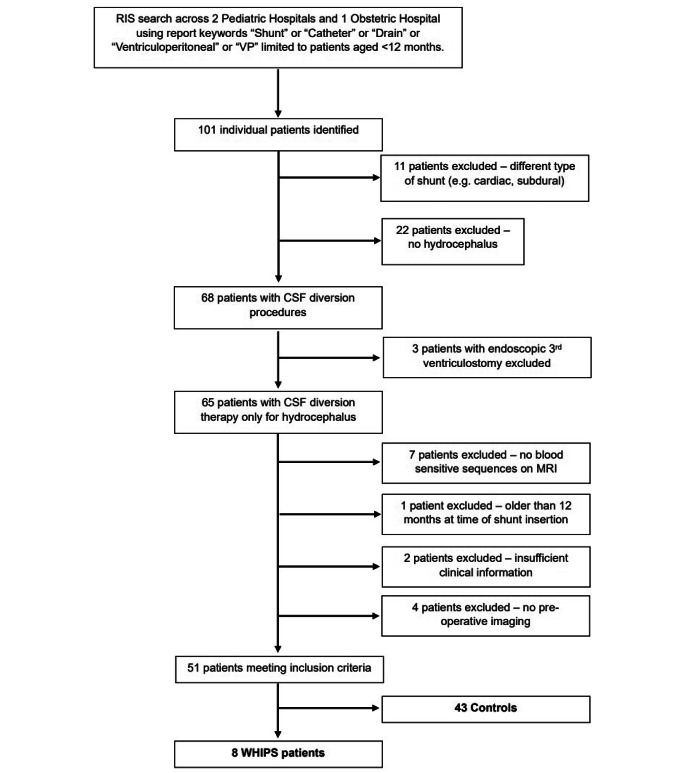 Figure 1
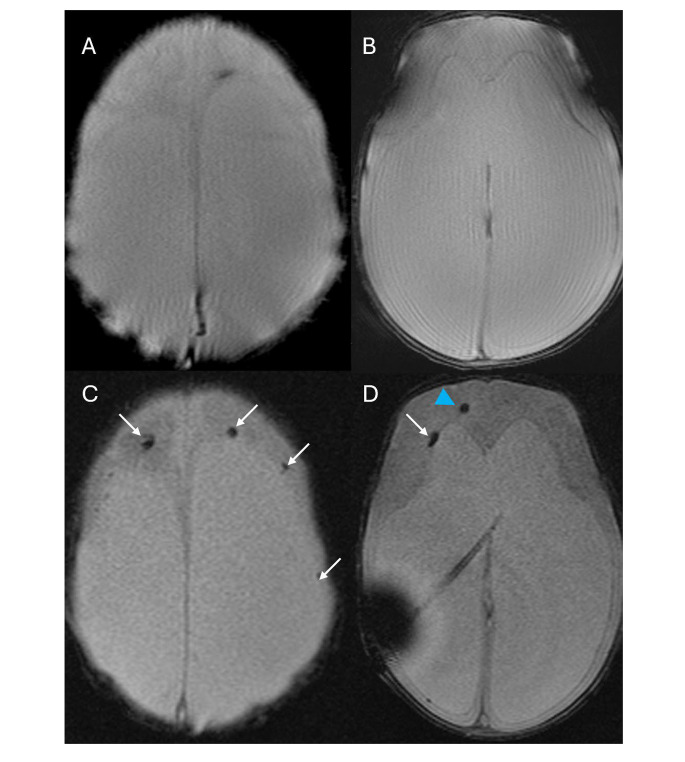 Figure 2
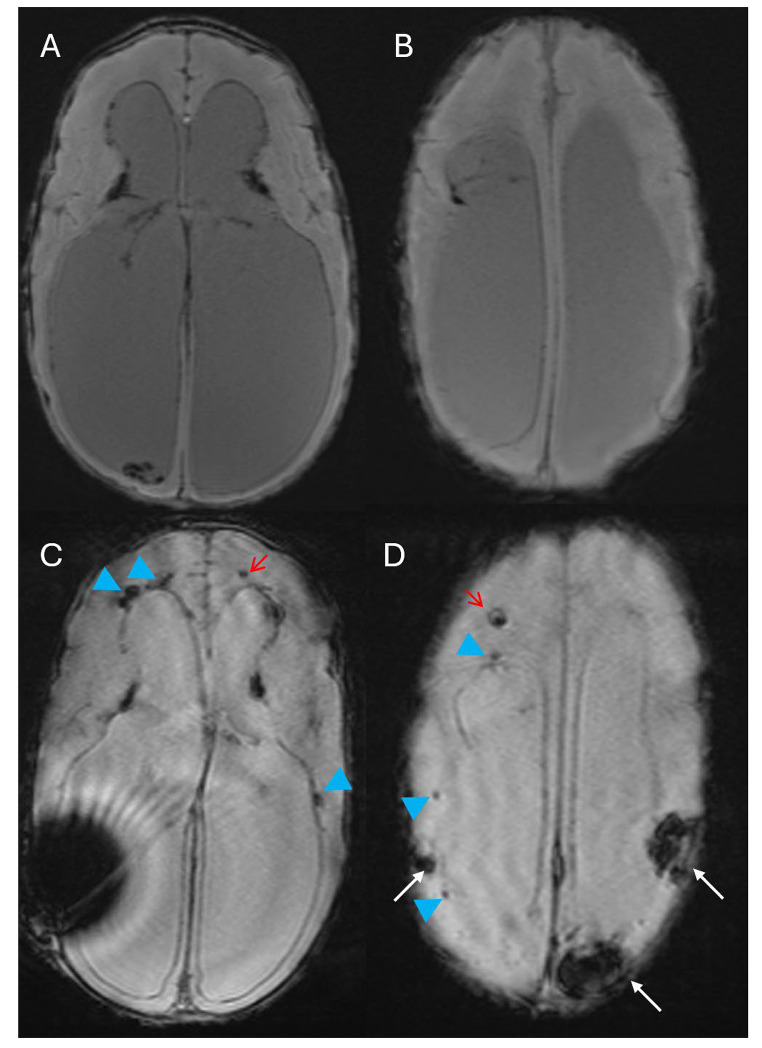 Figure 3
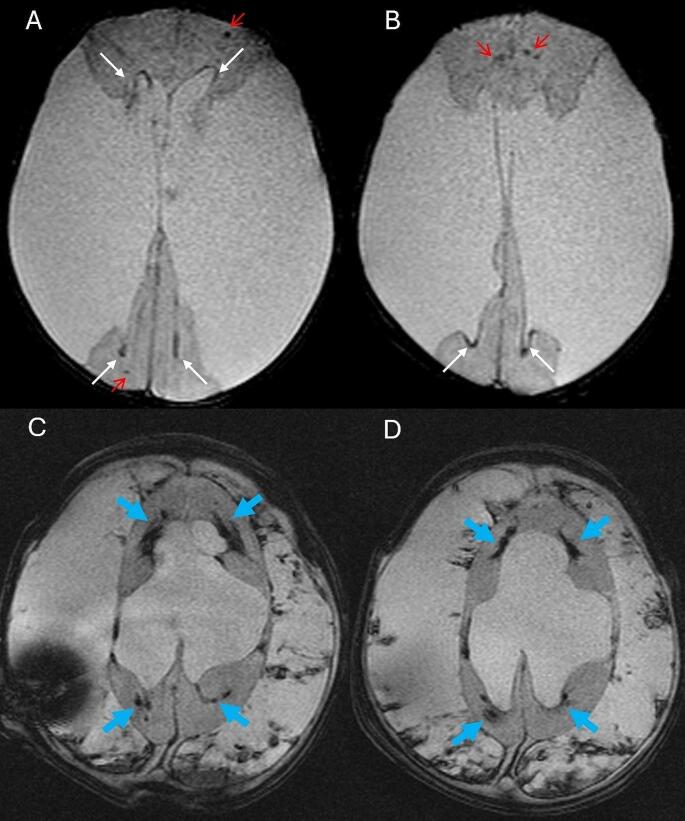 Figure 4
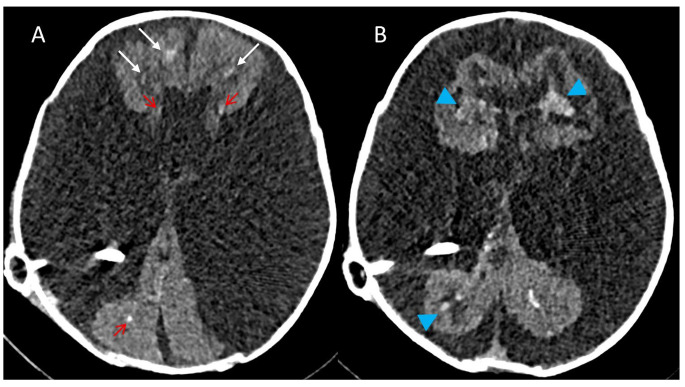 Figure 5
Peer Reviews
No public reviews on file for this paper yet. If you reviewed it on a platform where reviews are public (OpenReview, ICLR, NeurIPS, ICML), you can paste yours below so the community can read it here.
Videos
No videos yet. Explain this paper in a talk, walkthrough, or lecture? Add one.
Taxonomy
TopicsNeonatal Respiratory Health Research · Cerebrospinal fluid and hydrocephalus · Neuroscience of respiration and sleep