Whole-genome comparison using complete genomes from Campylobacter fetus strains revealed single nucleotide polymorphisms on non-genomic islands for subspecies differentiation
Chian Teng Ong, Patrick. J. Blackall, Gry B. Boe-Hansen, Sharon deWet, Ben J. Hayes, Lea Indjein, Victoria Korolik, Catherine Minchin, Loan To Nguyen, Yusralimuna Nordin, Hannah Siddle, Conny Turni, Bronwyn Venus, Mark E. Westman, Zhetao Zhang, Ala E. Tabor

TL;DR
This study used whole-genome analysis to identify unique SNPs in Campylobacter fetus subspecies, improving detection of the cattle disease BGC.
Contribution
The study identifies SNPs in peptidoglycan biosynthesis genes for precise differentiation of C. fetus subspecies.
Findings
289 SNPs were identified as unique to C. fetus subspecies, with 184 remaining after filtering.
Seven SNPs in the 'Peptidoglycan Biosynthesis' pathway effectively classified subspecies.
mraY SNPs were successfully used in a quantitative PCR assay for subspecies detection.
Abstract
Bovine Genital Campylobacteriosis (BGC), caused by Campylobacter fetus subsp. venerealis, is a sexually transmitted bacterium that significantly impacts cattle reproductive performance. However, current detection methods lack consistency and reliability due to the close genetic similarity between C. fetus subsp. venerealis and C. fetus subsp. fetus. Therefore, this study aimed to utilize complete genome analysis to distinguish genetic features between C. fetus subsp. venerealis and other subspecies, thereby enhancing BGC detection for routine screening and epidemiological studies. This study reported the complete genomes of four C. fetus subsp. fetus and five C. fetus subsp. venerealis, sequenced using long-read sequencing technologies. Comparative whole-genome analyses (n = 25) were conducted, incorporating an additional 16 complete C. fetus genomes from the NCBI database, to…
Genes, proteins, chemicals, diseases, species, mutations and cell lines named across the full text — each resolved to its canonical identifier and authoritative record.
Click any figure to enlarge with its caption.
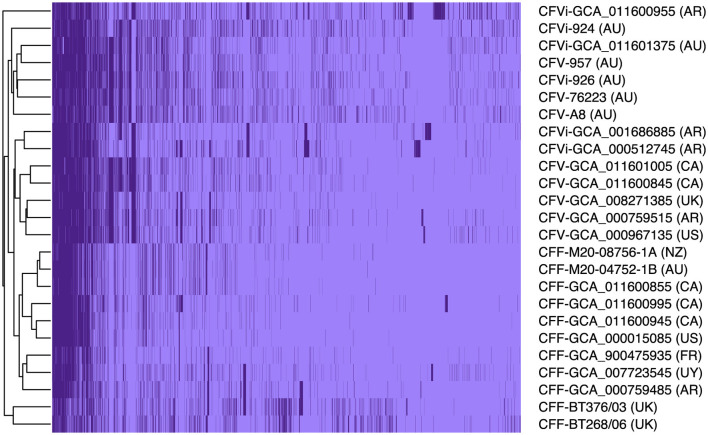 Figure 1
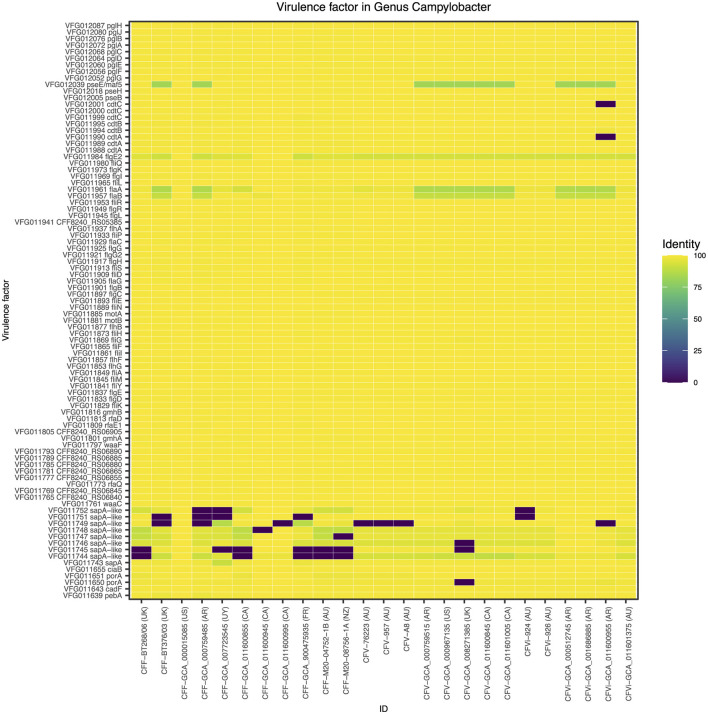 Figure 2
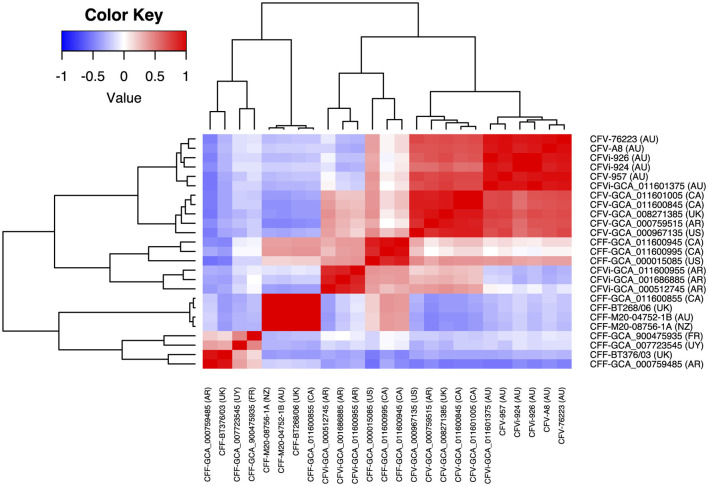 Figure 3
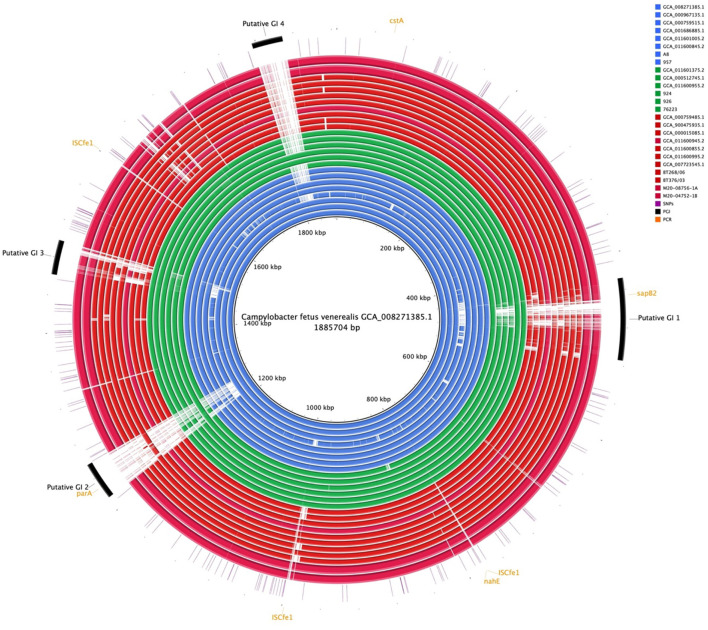 Figure 4
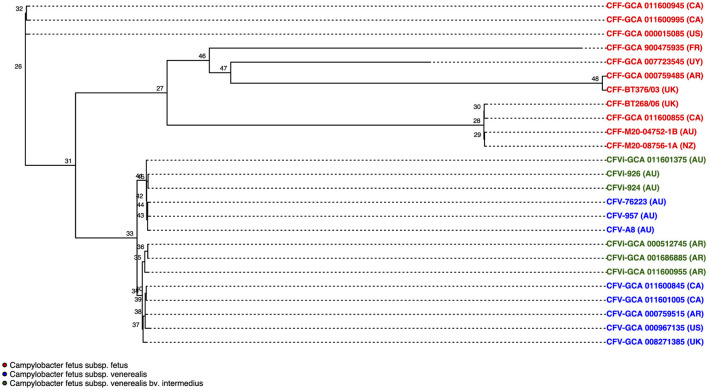 Figure 5
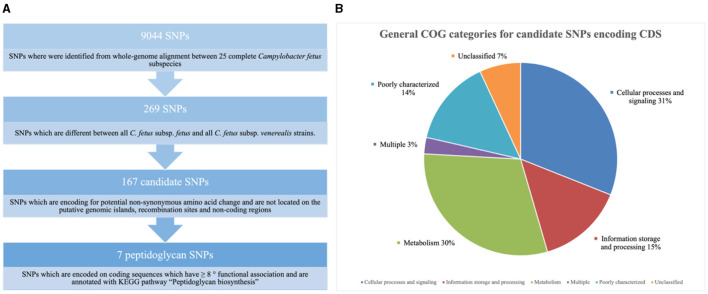 Figure 6
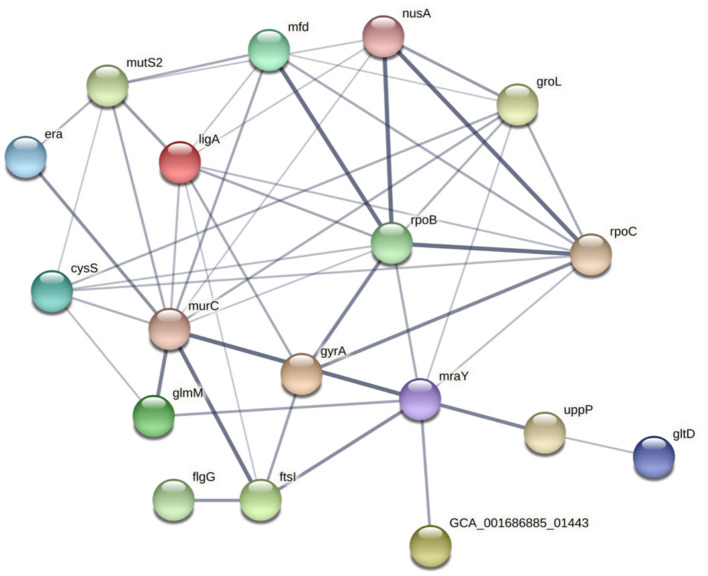 Figure 7
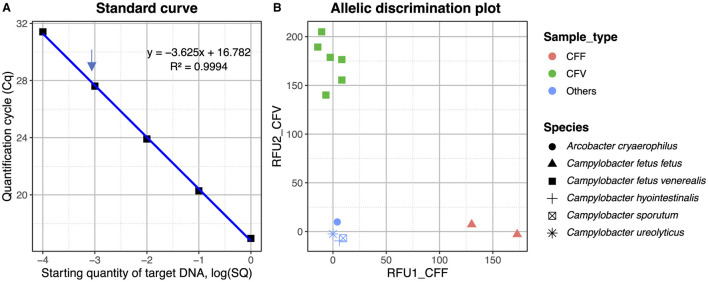 Figure 8
Peer Reviews
No public reviews on file for this paper yet. If you reviewed it on a platform where reviews are public (OpenReview, ICLR, NeurIPS, ICML), you can paste yours below so the community can read it here.
Videos
No videos yet. Explain this paper in a talk, walkthrough, or lecture? Add one.
Taxonomy
TopicsSalmonella and Campylobacter epidemiology · Genomics and Phylogenetic Studies · Probiotics and Fermented Foods