Intubating Laryngeal Mask Airway for Airway Management and Blind Tracheal Intubation Through It From 360° Around a Supine Patient: A Randomized Controlled Clinical Study in a Simulated Prehospital Emergency Scenario
Ritu Dahiya, Vigya Goyal, Isha Bijarnia, Avnish Bharadwaj

TL;DR
This study tests the effectiveness of using an intubating laryngeal mask airway (ILMA) for airway management from multiple angles around a supine patient in simulated emergency scenarios.
Contribution
Demonstrates the feasibility of ILMA insertion from unconventional positions (120° and 240°) in prehospital emergency settings.
Findings
ILMA insertion was successful from non-conventional positions (120° and 240°) as well as the standard position (0°).
The device provided adequate oropharyngeal leak pressure and ease of insertion across all tested positions.
Results suggest ILMA can be a reliable option for airway management in disaster scenarios with limited access.
Abstract
Introduction In emergency situations, airway management is often given priority over other treatment methods. The preferred technique for airway management of unconscious patients is endotracheal intubation, which has become the standard of care. Intubation of the trachea not only enables controlled ventilation even for extended periods and in any position but also allows for the removal of tracheal secretions. Supraglottic airways have several advantages over endotracheal intubation, including faster insertion, less need for neuromuscular blockade, and less hemodynamic instability. They can also be used as a bridge to intubation or as a rescue device when intubation fails or is contraindicated. The aim of this randomized controlled clinical study is to simulate a prehospital emergency/disaster scenario to evaluate and study the feasibility and effectiveness of the use of intubating…
Genes, proteins, chemicals, diseases, species, mutations and cell lines named across the full text — each resolved to its canonical identifier and authoritative record.
Click any figure to enlarge with its caption.
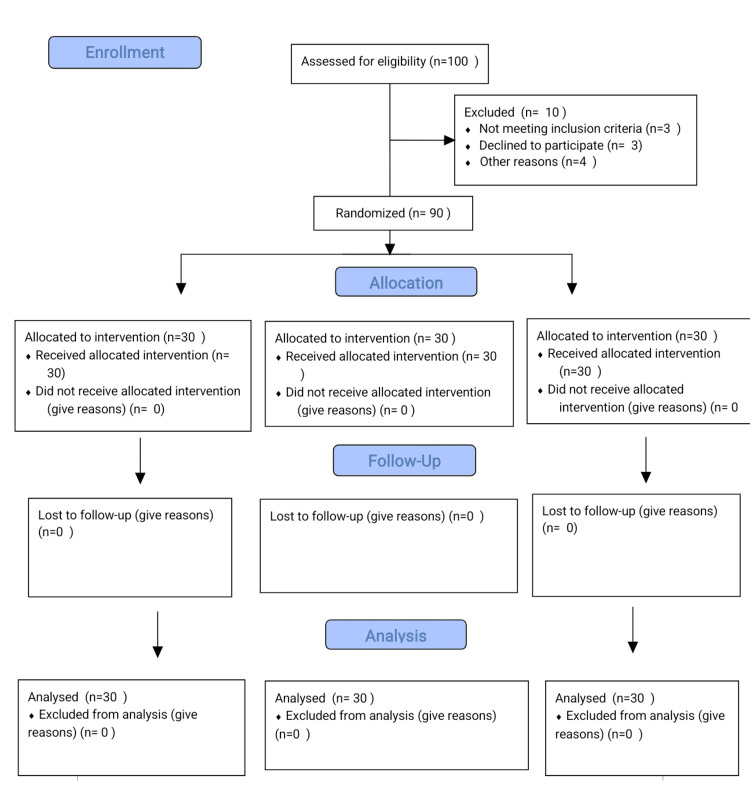 Figure 1
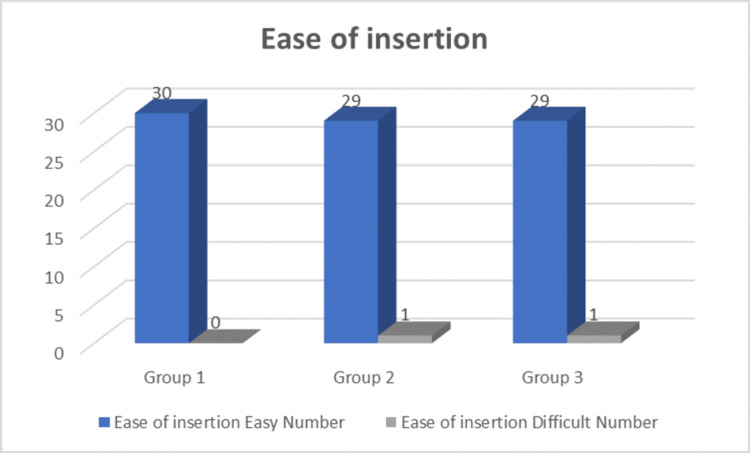 Figure 2
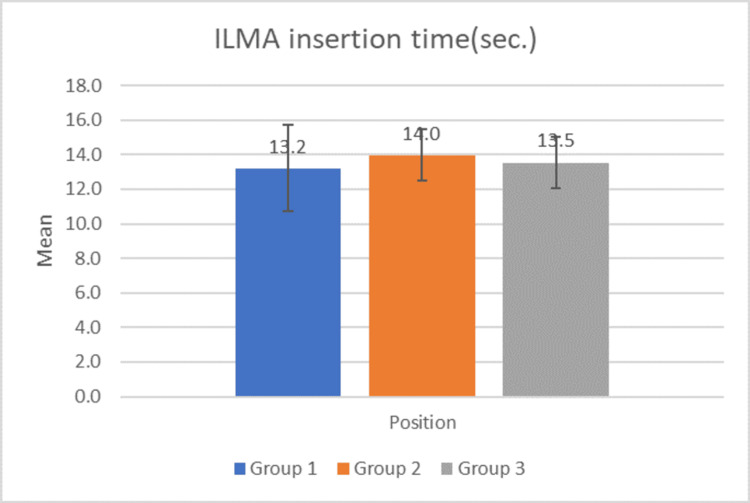 Figure 3
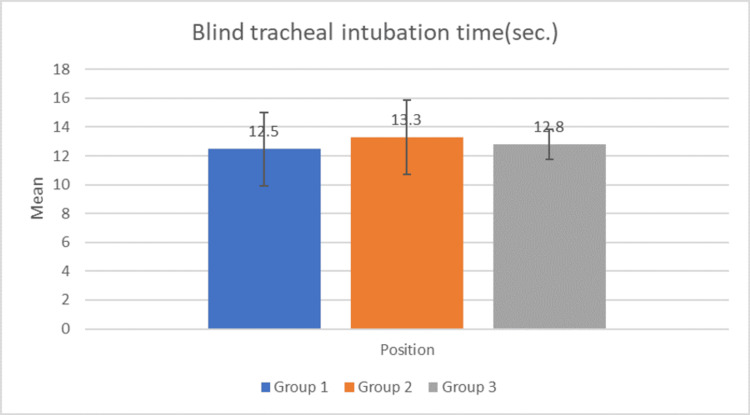 Figure 4
Peer Reviews
No public reviews on file for this paper yet. If you reviewed it on a platform where reviews are public (OpenReview, ICLR, NeurIPS, ICML), you can paste yours below so the community can read it here.
Videos
No videos yet. Explain this paper in a talk, walkthrough, or lecture? Add one.
Taxonomy
TopicsAirway Management and Intubation Techniques · Cardiac Arrest and Resuscitation · Trauma Management and Diagnosis