A case report of a colouterine fistula due to sigmoid diverticulitis
Catherine L A Chang, Kenley R Unruh, Chad E Cragle, Ravi Moonka

TL;DR
A 44-year-old woman was successfully treated for a rare colouterine fistula caused by sigmoid diverticulitis.
Contribution
This case report presents a successful treatment of a colouterine fistula using minimally invasive colectomy without ileostomy or colostomy.
Findings
Minimally invasive colectomy without ileostomy or colostomy is a safe treatment for colouterine fistulas.
The diagnosis of colouterine fistula does not always require contrast visualization from the gastrointestinal tract to the uterus.
Abstract
Colouterine fistulas are generally seen in post-menopausal patients and present with abdominal pain and non-physiologic vaginal drainage. A history of uterine pathology or diverticulitis is generally lacking. Visualization of the passage of contrast from the gastrointestinal tract to the uterus is not necessary to make the diagnosis. We present the case of a 44-year-old woman successfully treated for a colouterine fistula due to sigmoid diverticulitis. A variety of surgical approaches have been described to correct this fistula, and a minimally invasive colectomy without ileostomy or colostomy appears to be a safe approach.
Genes, proteins, chemicals, diseases, species, mutations and cell lines named across the full text — each resolved to its canonical identifier and authoritative record.
Click any figure to enlarge with its caption.
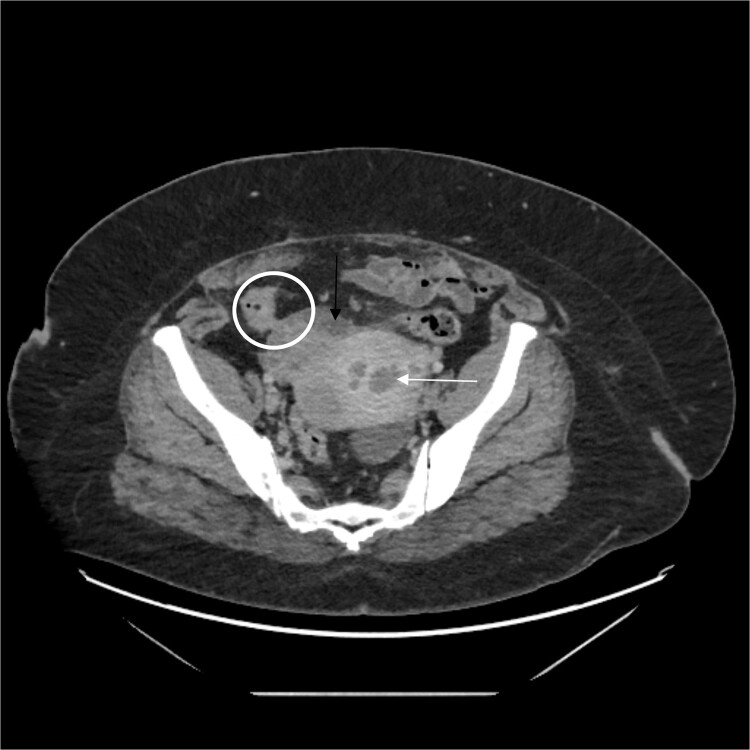 Figure 1
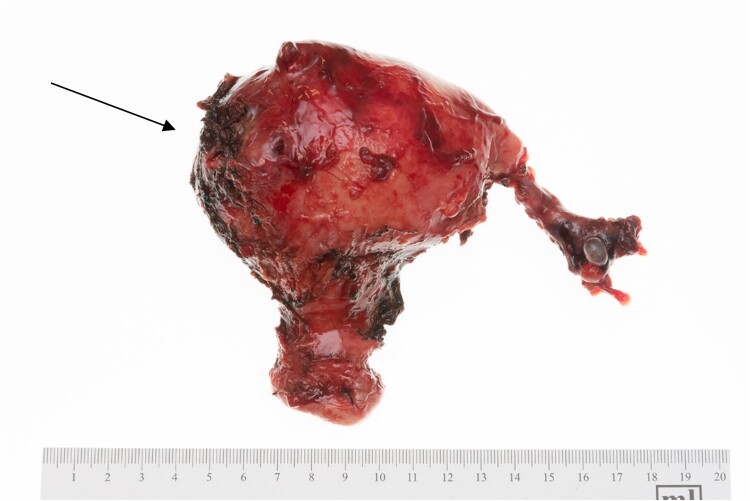 Figure 2
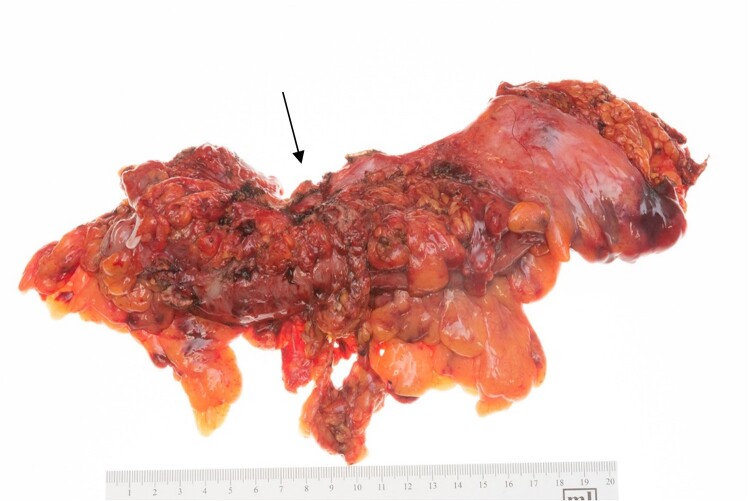 Figure 3
Peer Reviews
No public reviews on file for this paper yet. If you reviewed it on a platform where reviews are public (OpenReview, ICLR, NeurIPS, ICML), you can paste yours below so the community can read it here.
Videos
No videos yet. Explain this paper in a talk, walkthrough, or lecture? Add one.
Taxonomy
TopicsDiverticular Disease and Complications