Switch-like Gene Expression Modulates Disease Susceptibility
Alber Aqil, Yanyan Li, Zhiliang Wang, Saiful Islam, Madison Russell, Theodora Kunovac Kallak, Marie Saitou, Omer Gokcumen, Naoki Masuda

TL;DR
Switch-like gene expression patterns across tissues influence disease susceptibility, with some genes universally active and others tissue-specific, impacting conditions like gastric cancer and vaginal atrophy.
Contribution
The study systematically identifies switch-like genes across 27 tissues and links them to disease mechanisms, including hormonal regulation and epithelial thinning.
Findings
Only 3.1% of switch-like genes are active across all tissues, with five explained by genomic structural variants.
Tissue-specific switch-like genes are regulated by master regulators like hormones and are linked to diseases such as gastric cancer and vaginal atrophy.
Low estrogen levels reduce epithelial thickness and ALOX12 gene expression, contributing to vaginal atrophy.
Abstract
A fundamental challenge in biomedicine is understanding the mechanisms predisposing individuals to disease. While previous research has suggested that switch-like gene expression is crucial in driving biological variation and disease susceptibility, a systematic analysis across multiple tissues is still lacking. By analyzing transcriptomes from 943 individuals across 27 tissues, we identified 1,013 switch-like genes. We found that only 31 (3.1%) of these genes exhibit switch-like behavior across all tissues. These universally switch-like genes appear to be genetically driven, with large exonic genomic structural variants explaining five (~18%) of them. The remaining switch-like genes exhibit tissue-specific expression patterns. Notably, tissue-specific switch-like genes tend to be switched on or off in unison within individuals, likely under the influence of tissue-specific master…
Genes, proteins, chemicals, diseases, species, mutations and cell lines named across the full text — each resolved to its canonical identifier and authoritative record.
Click any figure to enlarge with its caption.
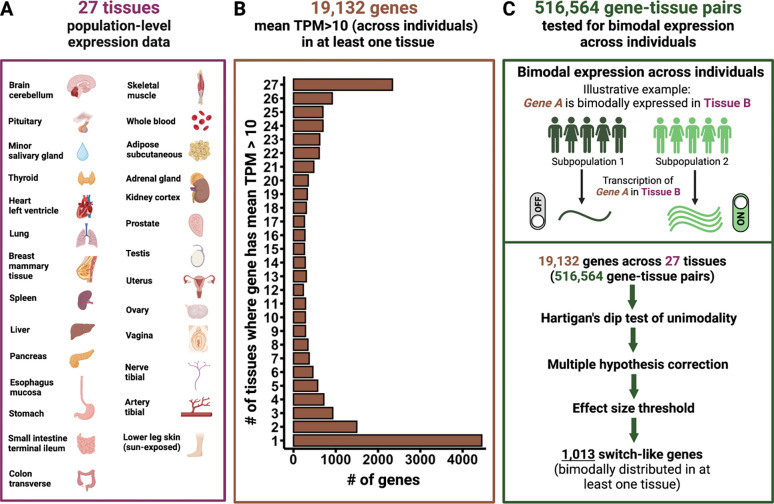 Figure 1
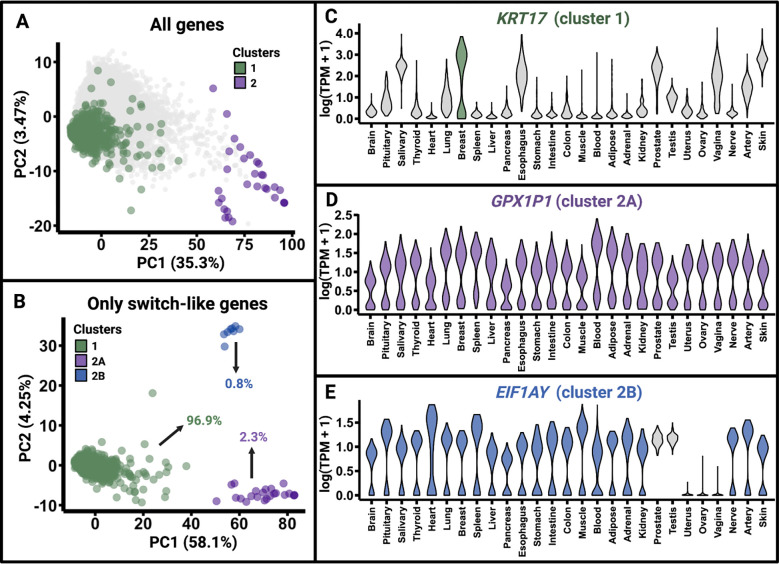 Figure 2
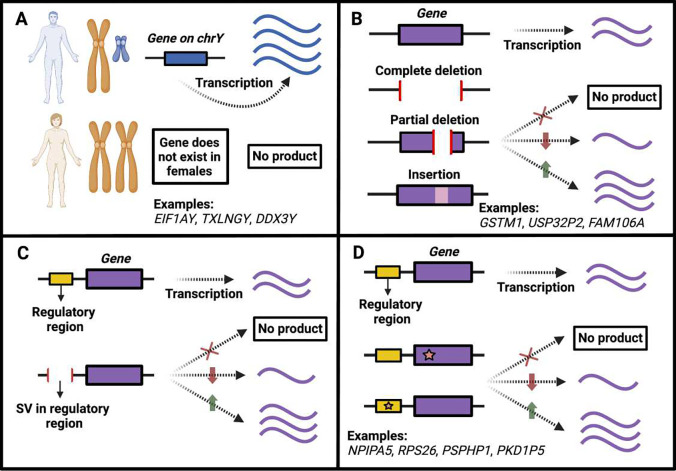 Figure 3
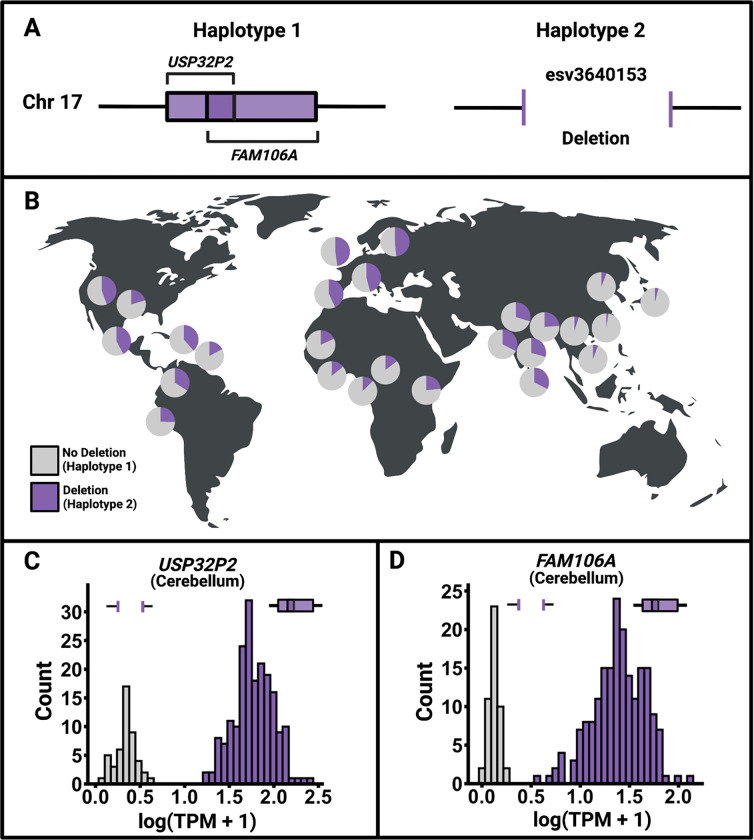 Figure 4
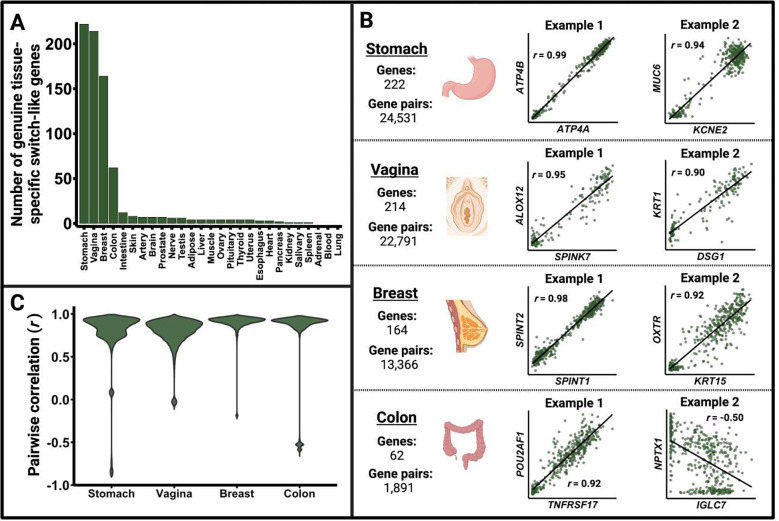 Figure 5
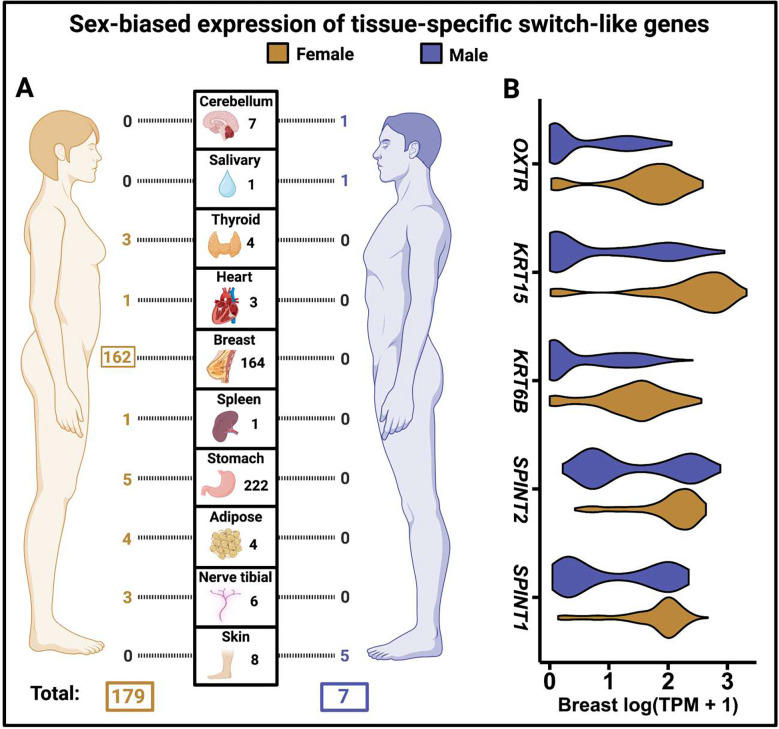 Figure 6
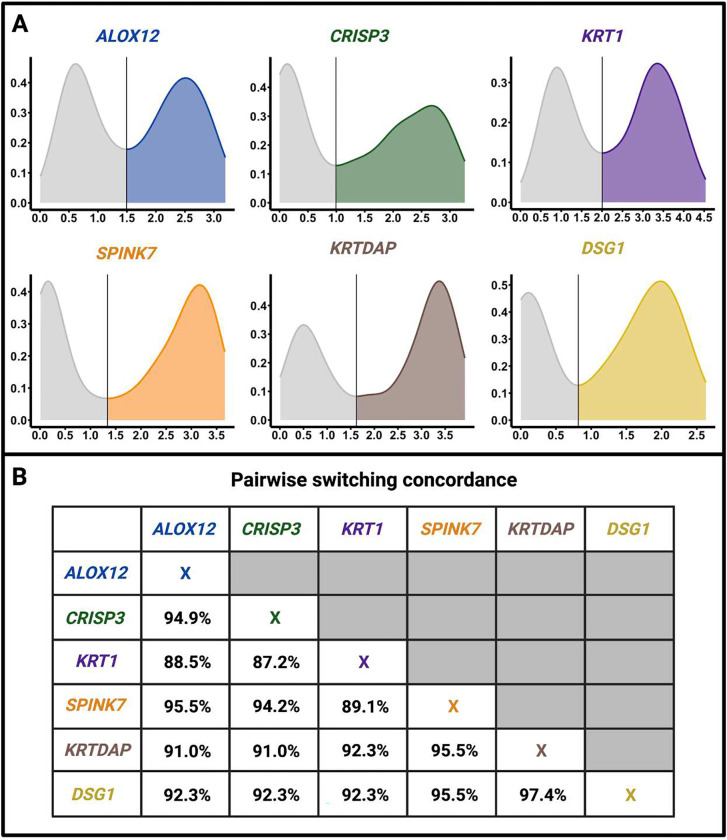 Figure 7
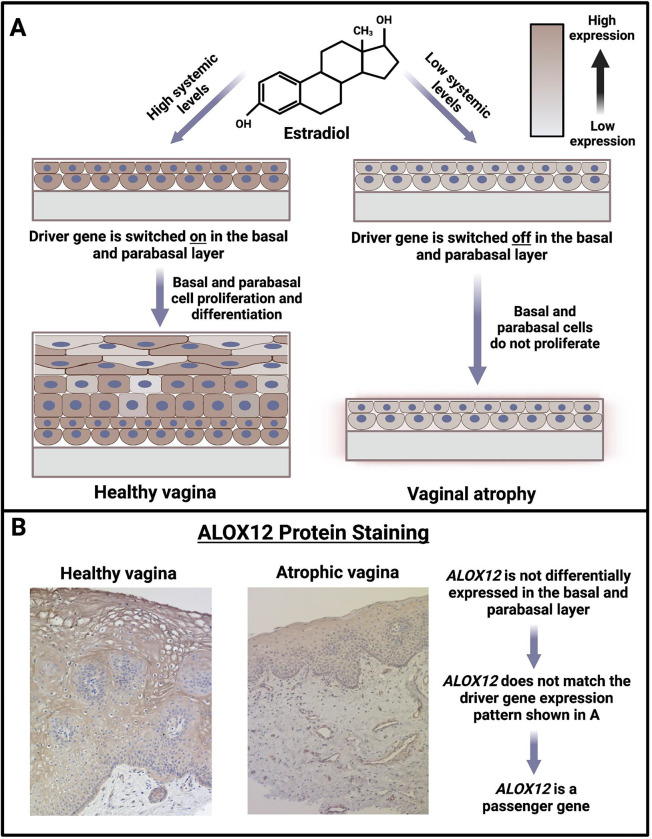 Figure 8
Peer Reviews
No public reviews on file for this paper yet. If you reviewed it on a platform where reviews are public (OpenReview, ICLR, NeurIPS, ICML), you can paste yours below so the community can read it here.
Videos
No videos yet. Explain this paper in a talk, walkthrough, or lecture? Add one.
Taxonomy
TopicsCRISPR and Genetic Engineering