CALHM2 is a mitochondrial protein import channel that regulates fatty acid metabolism
Elizabeth Jonas, Nelli Mnatsakanyan, Felix Rivera-Molina, Andrew Robson, Alexandra MacColl Garfinkel, Amrendra Kumar, Stephen Batter, Valeria Padovano, Kaitlin Webster, Rebecca Cardone, Justin Berg, Derek Toomre, Richard Kibbey, Michael Caplan, Mustafa Khokha

TL;DR
This study identifies CALHM2 as a new mitochondrial protein import channel crucial for fatty acid metabolism and cellular respiration.
Contribution
Discovers CALHM2 as a novel mitochondrial import channel for the ECHA subunit of mTFP.
Findings
CALHM2 is located at the inner mitochondrial and cristae membranes and is essential for membrane morphology.
Depletion of CALHM2 causes mislocalization of ECHA and severe metabolic defects like fatty acid accumulation and reduced respiration.
CALHM2 is critical for fatty acid- and glucose-dependent aerobic metabolism.
Abstract
For mitochondrial metabolism to occur in the matrix, multiple proteins must be imported across the two (inner and outer) mitochondrial membranes. Classically, two protein import channels, TIM/TOM, are known to perform this function, but whether other protein import channels exist is not known. Here, using super-resolution microscopy, proteomics, and electrophysiological techniques, we identify CALHM2 as the import channel for the ECHA subunit of the mitochondrial trifunctional protein (mTFP), which catalyzes β-oxidation of fatty acids in the mitochondrial matrix. We find that CALHM2 sits specifically at the inner mitochondrial and cristae membranes and is critical for membrane morphology. Depletion of CALHM2 leads to a mislocalization of ECHA outside of the mitochondria leading to severe cellular metabolic defects. These defects include cytosolic accumulation of fatty acids, depletion…
Genes, proteins, chemicals, diseases, species, mutations and cell lines named across the full text — each resolved to its canonical identifier and authoritative record.
Click any figure to enlarge with its caption.
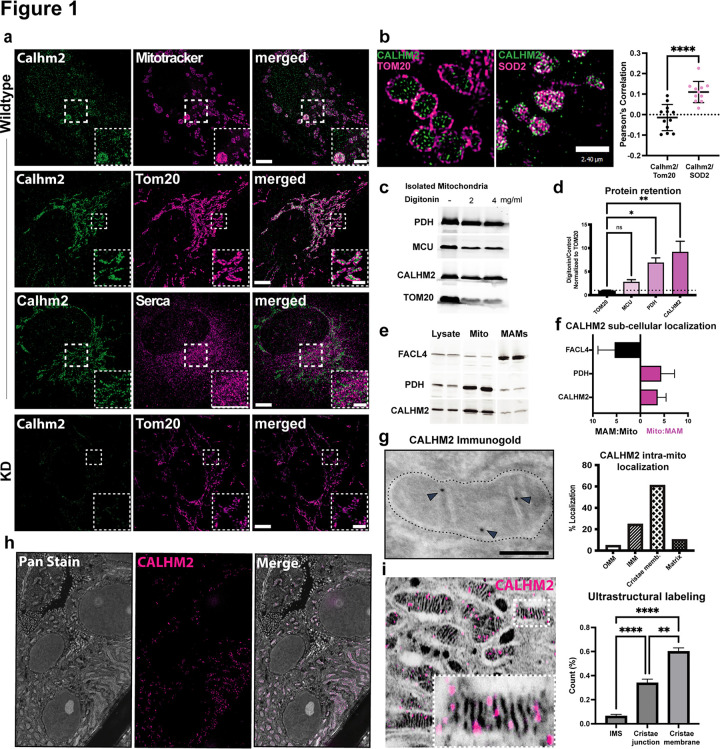 Figure 1
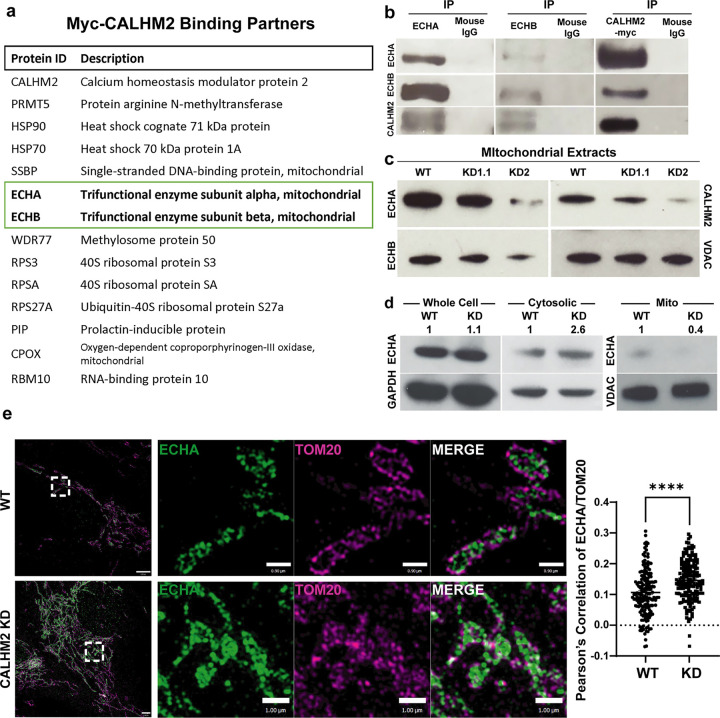 Figure 2
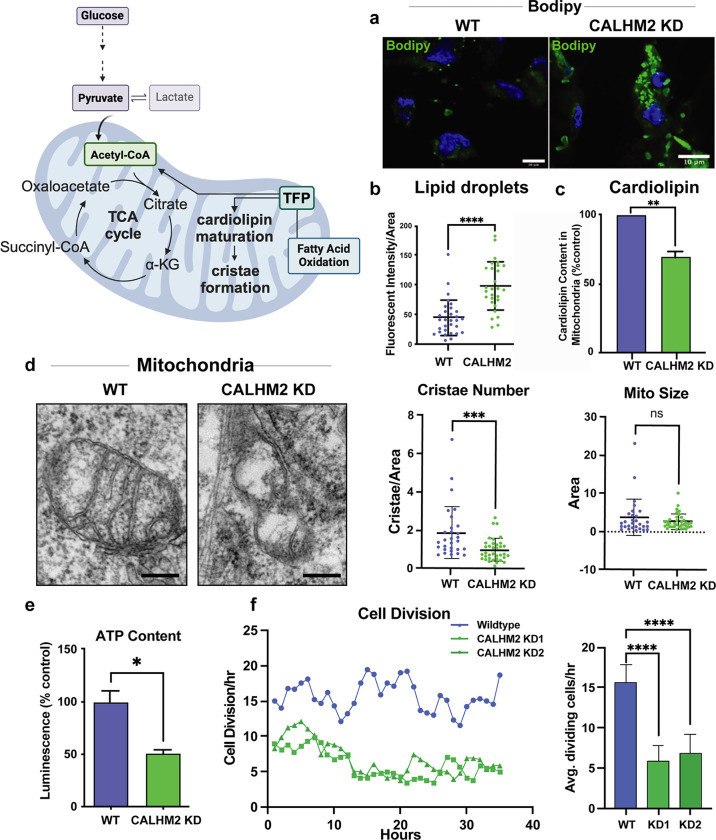 Figure 3
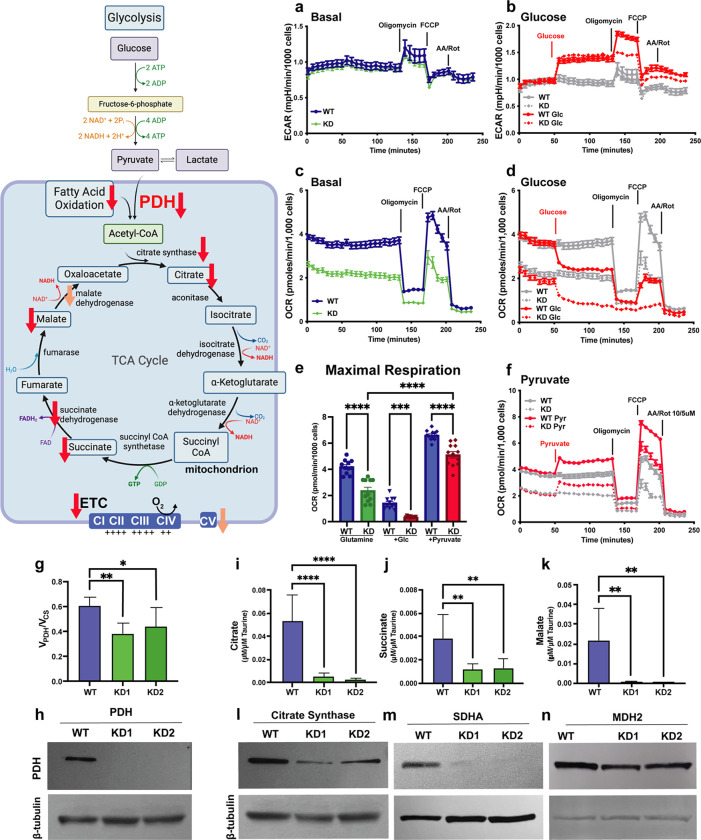 Figure 4
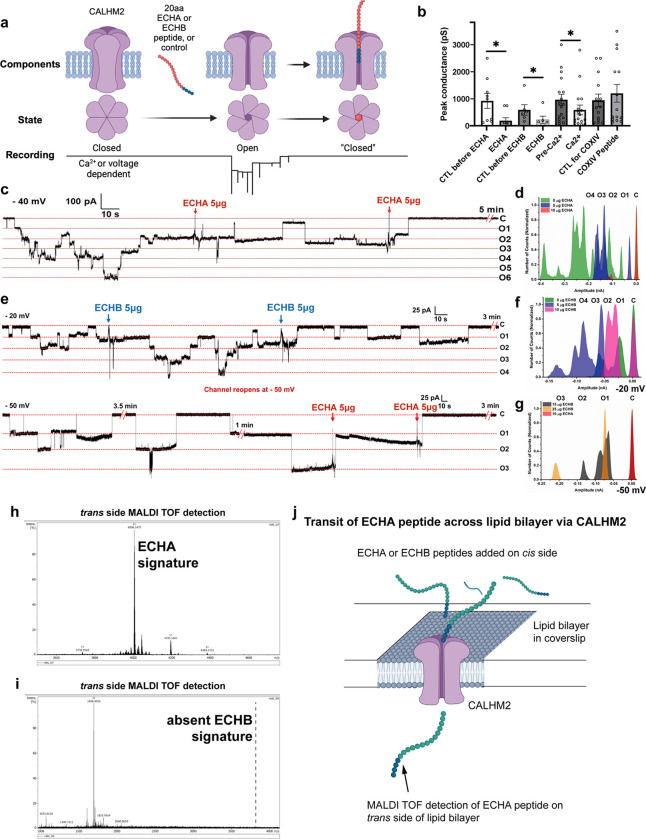 Figure 5
Peer Reviews
No public reviews on file for this paper yet. If you reviewed it on a platform where reviews are public (OpenReview, ICLR, NeurIPS, ICML), you can paste yours below so the community can read it here.
Videos
No videos yet. Explain this paper in a talk, walkthrough, or lecture? Add one.
Taxonomy
TopicsMetabolism and Genetic Disorders · Peroxisome Proliferator-Activated Receptors · Mitochondrial Function and Pathology