Cellular indexing of transcriptomes and epitopes (CITE-Seq) in hidradenitis suppurativa identifies dysregulated cell types in peripheral blood and facilitates diagnosis via machine learning
Sugandh Kumar, Faye Orcales, Bobby B. Shih, Xiaohui Fang, Congcong Yin, Ashley Yates, Peter Dimitrion, Isaac Neuhaus, Chandler Johnson, Indra Adrianto, Antonia Wiala, Iltefat Hamzavi, Li Zhou, Haley Naik, Christian Posch, Qing-Sheng Mi, Wilson Liao

TL;DR
This study uses CITE-Seq to identify immune cell changes in hidradenitis suppurativa patients and shows machine learning can help diagnose the condition.
Contribution
The study introduces CITE-Seq to uncover immune cell dysregulation in HS and applies machine learning for diagnostic potential.
Findings
HS patients show increased CD14+ and CD16+ monocytes, cDC2, plasmablasts, and CD4+ T cells compared to controls.
Inflammatory markers like TNF, IL1B, and NF-κB are upregulated in monocytes from HS patients.
Machine learning models can identify key immune markers for HS diagnosis and therapeutic development.
Abstract
Hidradenitis suppurativa (HS) is a chronic inflammatory skin condition characterized by painful nodules, abscesses, and scarring, predominantly affecting intertriginous regions and it is often underdiagnosed. This study aimed to utilize single cell RNA and cell-surface protein sequencing (CITE-Seq) to delineate the immune composition of circulating cells in Hidradenitis suppurativa (HS) peripheral blood compared to healthy controls. CITE-Seq was used to analyze the gene and protein expression profiles of peripheral blood mononuclear cells (PBMCs) from 9 HS and 29 healthy controls. The study identified significant differences cell composition between HS patients and healthy controls, including increased proportions of CD14+ and CD16+ monocytes, cDC2, plasmablasts, and proliferating CD4+ T cells in HS patients. Differential expression analysis revealed upregulation of inflammatory markers…
Genes, proteins, chemicals, diseases, species, mutations and cell lines named across the full text — each resolved to its canonical identifier and authoritative record.
Click any figure to enlarge with its caption.
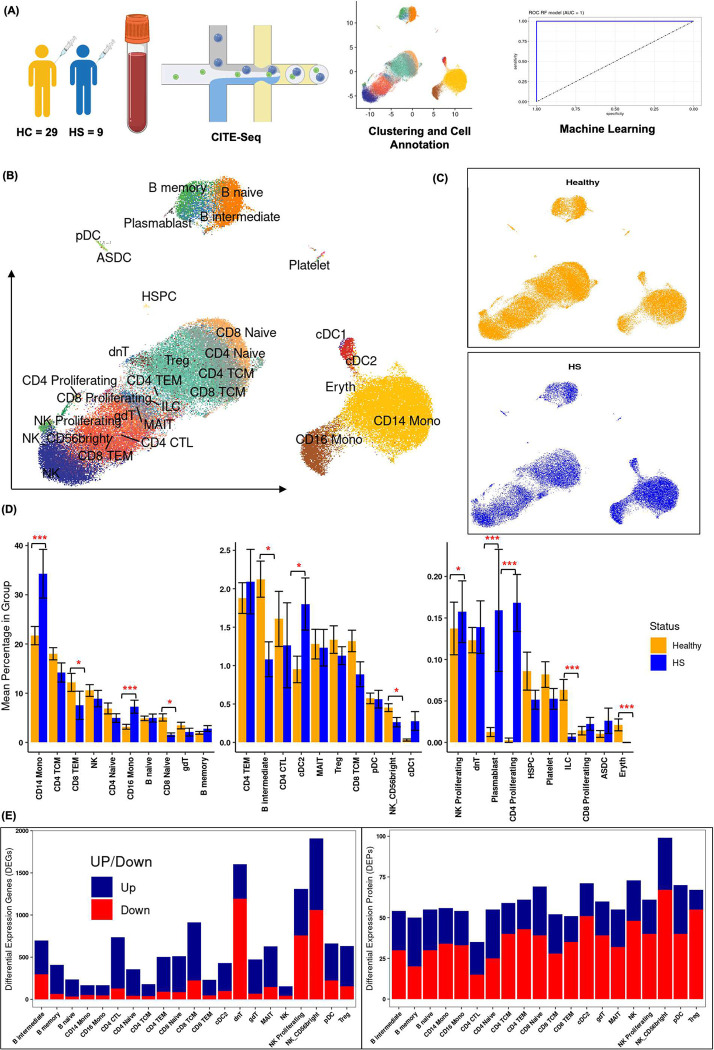 Figure 1
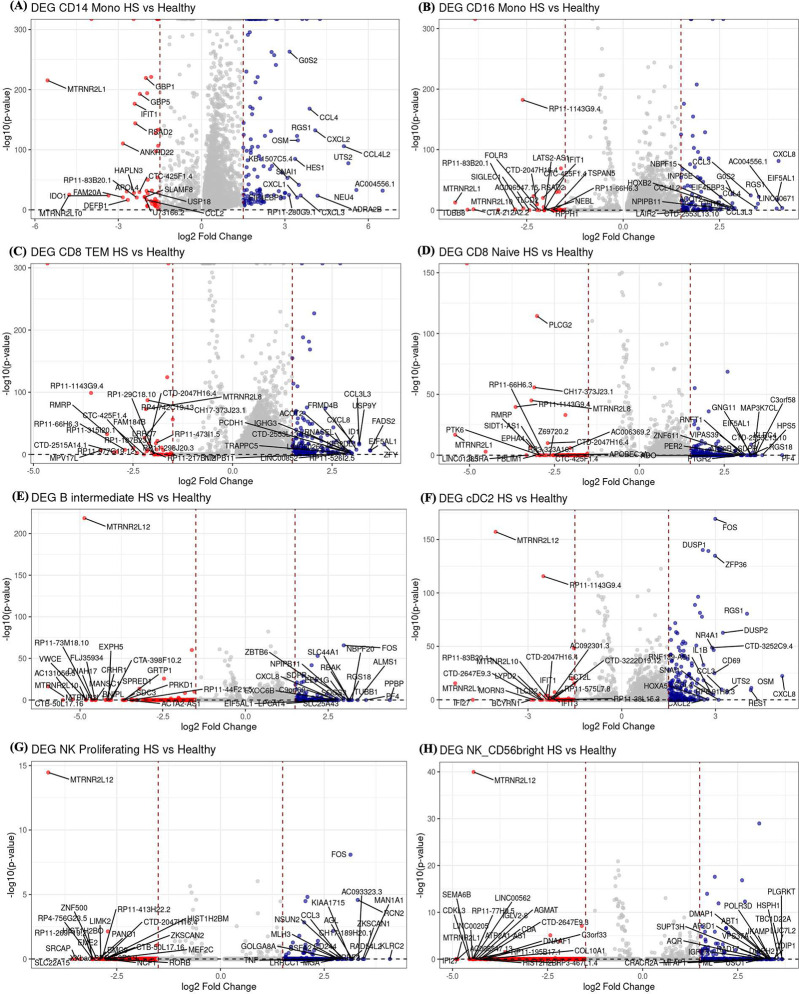 Figure 2
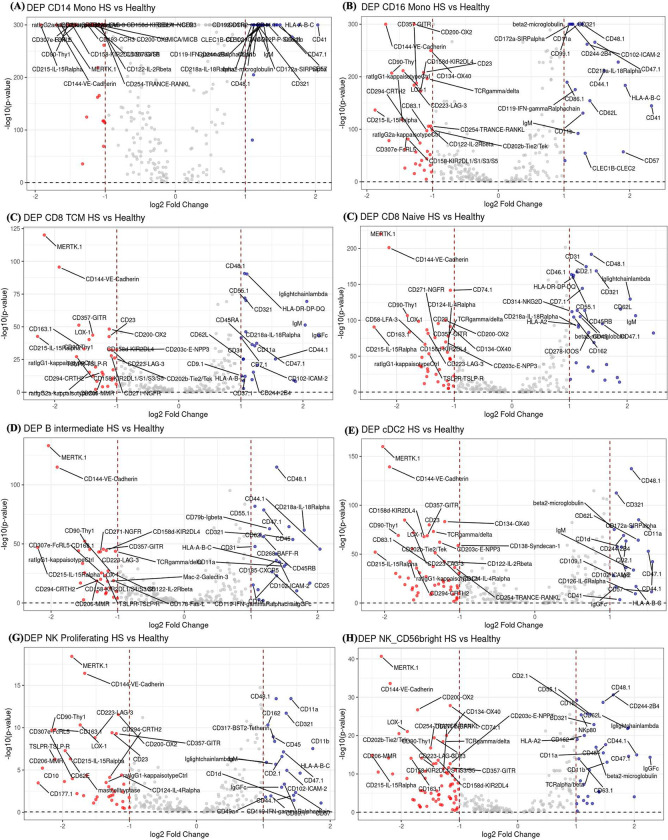 Figure 3
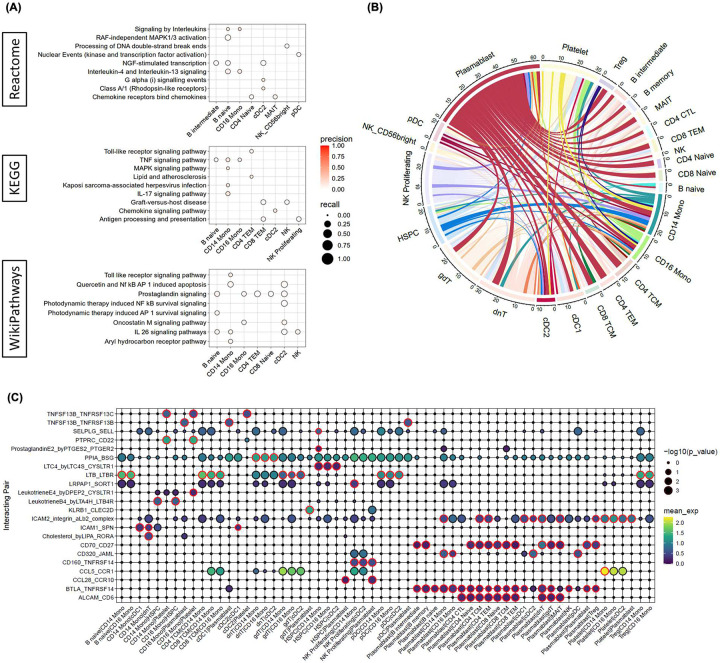 Figure 4
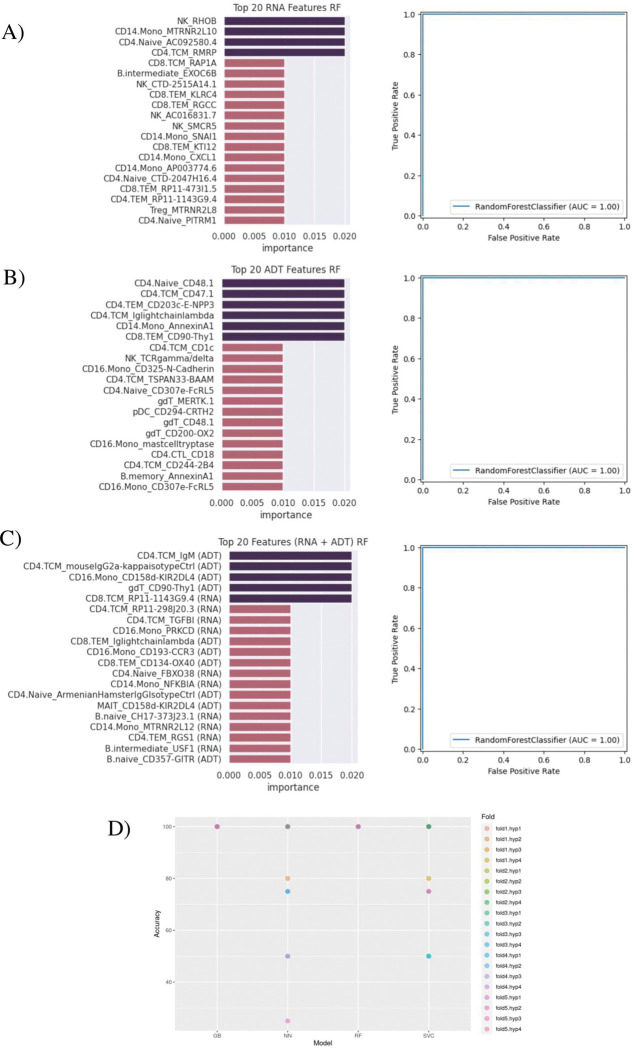 Figure 5
Peer Reviews
No public reviews on file for this paper yet. If you reviewed it on a platform where reviews are public (OpenReview, ICLR, NeurIPS, ICML), you can paste yours below so the community can read it here.
Videos
No videos yet. Explain this paper in a talk, walkthrough, or lecture? Add one.
Taxonomy
TopicsHidradenitis Suppurativa and Treatments · Colorectal and Anal Carcinomas · Microscopic Colitis