Pilot development of diagnostic tools for lower limb apophyseal injuries in children and adolescents
Joseph Brooks, Antoni Caserta, Kade Paterson, Kelly-Ann Bowles, Terry Haines, Cylie Williams

TL;DR
This study created self-administered tools to diagnose two common lower limb injuries in children and found them to be accurate and useful for early screening.
Contribution
The development and pilot testing of self-administered diagnostic tools for calcaneal and tibial tuberosity apophysitis in children.
Findings
The calcaneal apophysitis tool had 83% diagnostic accuracy.
The tibial tuberosity apophysitis tool had 93% diagnostic accuracy.
The tools could support pre-clinical screening and reduce healthcare wait times.
Abstract
Lower limb apophyseal injuries commonly occur in children and adolescents with unknown incidence and prevalence. These conditions are considered benign, but impact children and adolescents quality of life and can lead to sport withdrawal at a crucial time. The primary aim of this research was to develop self-administered tools for two of the most common apophyseal injuries. The secondary aim was to test the sensitivity and specificity of the tools. Study 1 used a three round online Delphi panel (n = 8), with expert consensus supported by robust literature. This panel developed a self-administered screening tool for calcaneal (Sever’s disease) and tibial tuberosity (Osgood-Schlatter’s disease) apophysitis. Study 2 tested the sensitivity and specificity of these developed tools with parents and children (n = 63) with concurrent clinical examination by a health professional. An initial…
Genes, proteins, chemicals, diseases, species, mutations and cell lines named across the full text — each resolved to its canonical identifier and authoritative record.
Click any figure to enlarge with its caption.
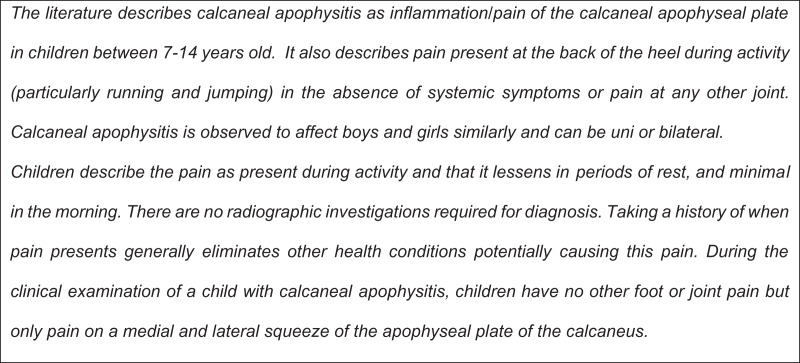 Figure 1
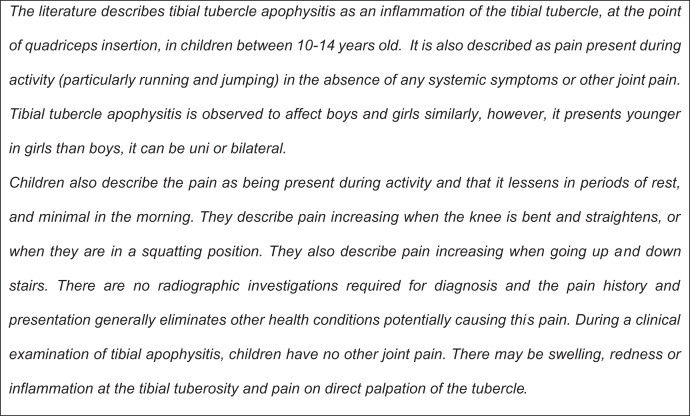 Figure 2
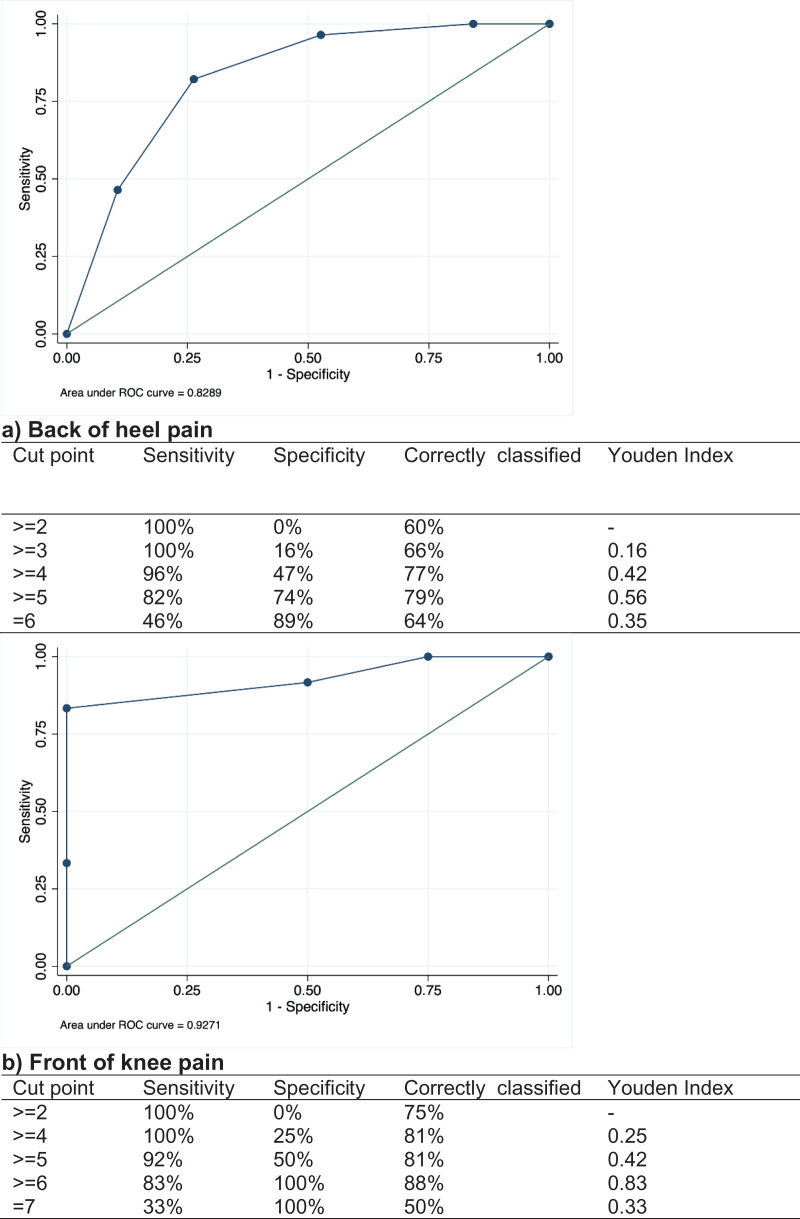 Figure 3
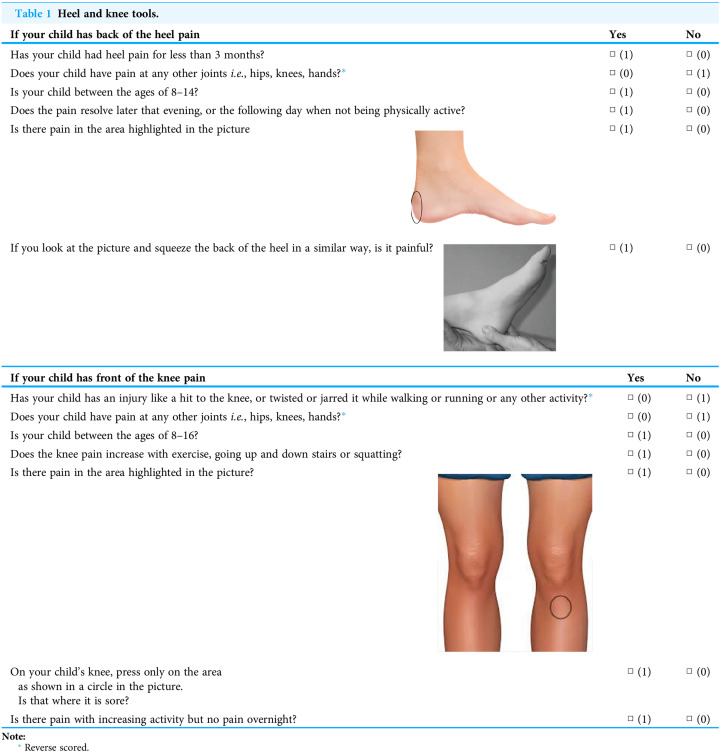 Figure 4
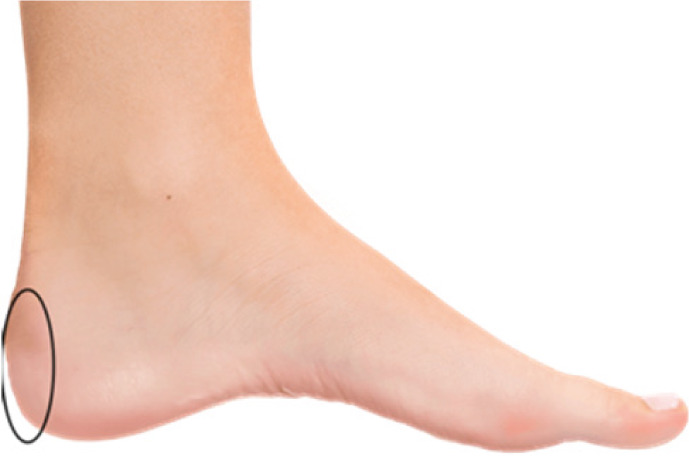 Figure 5
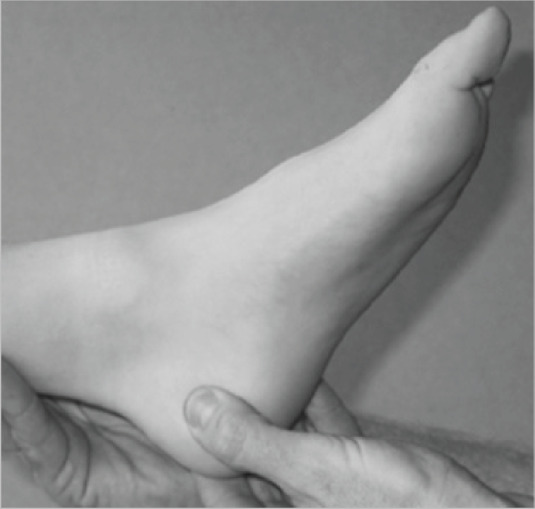 Figure 6
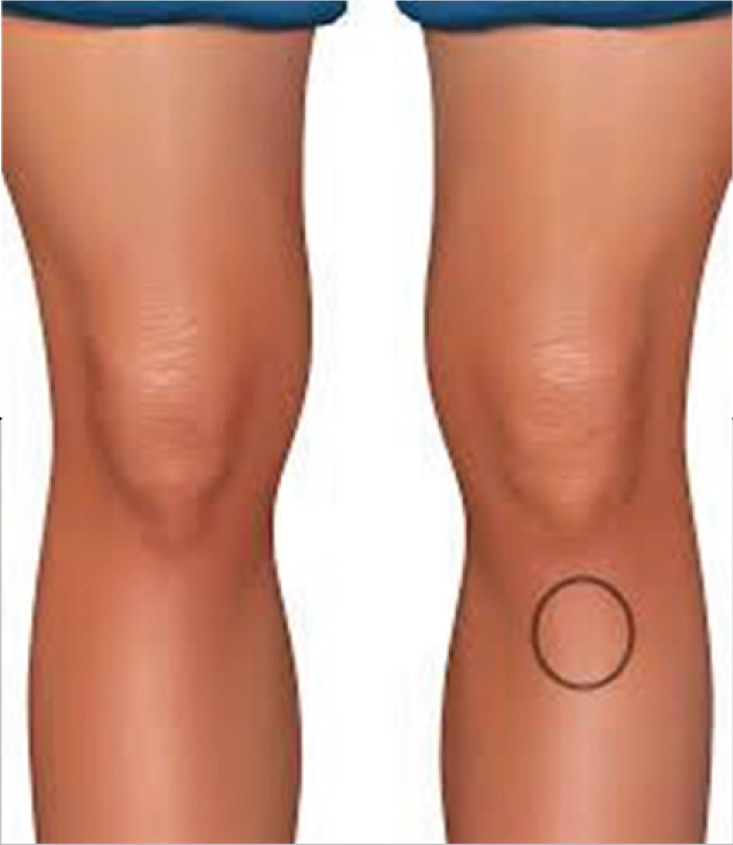 Figure 7
Peer Reviews
No public reviews on file for this paper yet. If you reviewed it on a platform where reviews are public (OpenReview, ICLR, NeurIPS, ICML), you can paste yours below so the community can read it here.
Videos
No videos yet. Explain this paper in a talk, walkthrough, or lecture? Add one.
Taxonomy
TopicsSports injuries and prevention · Bone fractures and treatments · Musculoskeletal Disorders and Rehabilitation