Coffee intake leads to preeclampsia-like syndromes in susceptible pregnant rats
Linyan Chen, Yi Duan, Pan Wang

TL;DR
This study shows that coffee intake during pregnancy can cause preeclampsia-like symptoms in rats with compromised placental function.
Contribution
The study demonstrates that coffee consumption may increase preeclampsia risk in susceptible pregnant individuals.
Findings
Pregnant rats given coffee and low-dose L-NAME developed PE symptoms like fetal growth restriction and hypertension.
Low-dose L-NAME alone did not cause preeclampsia-like symptoms in rats.
Coffee intake combined with compromised placental function led to proteinuria and elevated blood pressure.
Abstract
Coffee is one of the most popular beverages worldwide, and there is an increasing concern of the health risk of coffee consumption in pregnancy. Preeclampsia (PE) is a serious pregnancy disease that causes elevated blood pressure and proteinuria in pregnant women and growth restriction of fetuses due to poorly developed placental vasculature. The aim of our study is to investigate the possible effect of coffee intake during pregnancy in rats with potential underlying vasculature conditions. The endothelial nitric oxide synthase inhibitor N(gamma)-nitro-L-arginine methyl ester (L-NAME) at a high dose (125 mg/kg/d) was used to induce PE in pregnant rats, which were used as the positive control group. In addition, low-dose L-NAME (10 mg/kg/d) was used to simulate the compromised placental vasculature function in pregnant rats. Coffee was given together with low-dose L-NAME to the pregnant…
Genes, proteins, chemicals, diseases, species, mutations and cell lines named across the full text — each resolved to its canonical identifier and authoritative record.
Click any figure to enlarge with its caption.
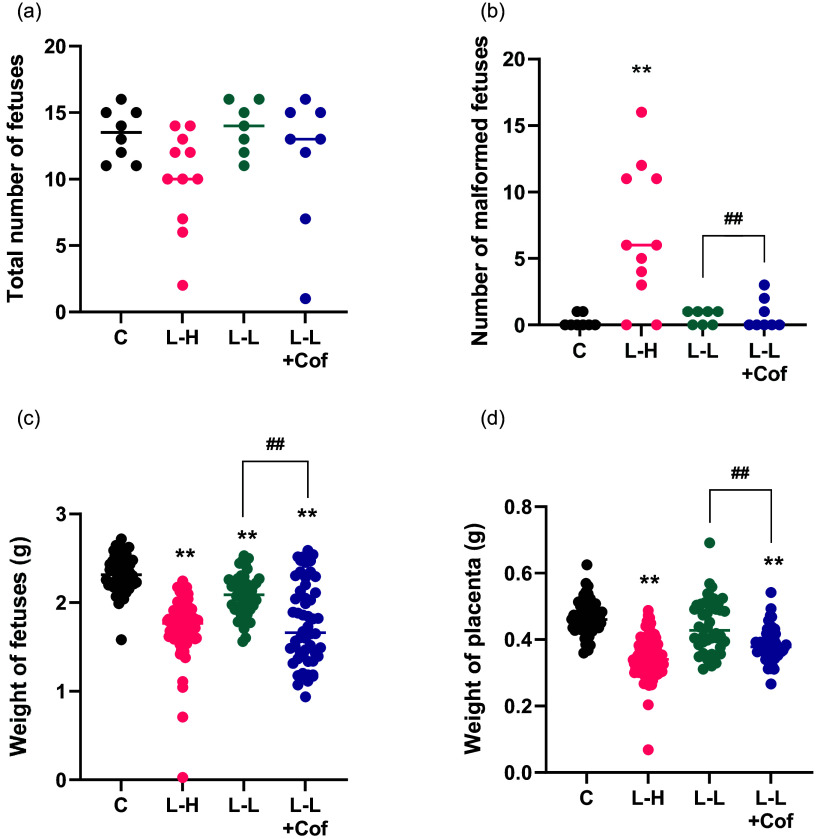 Figure 1
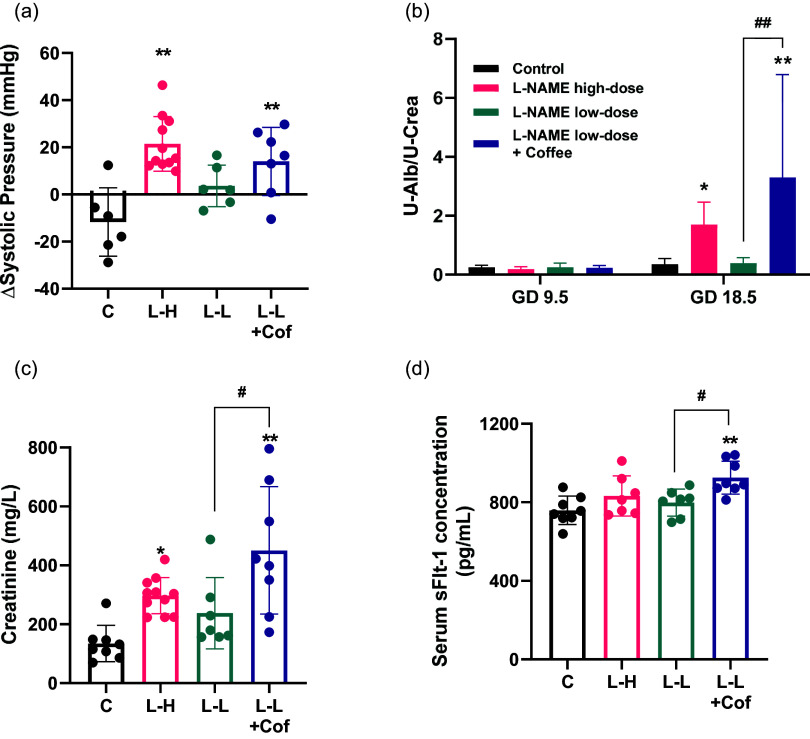 Figure 2
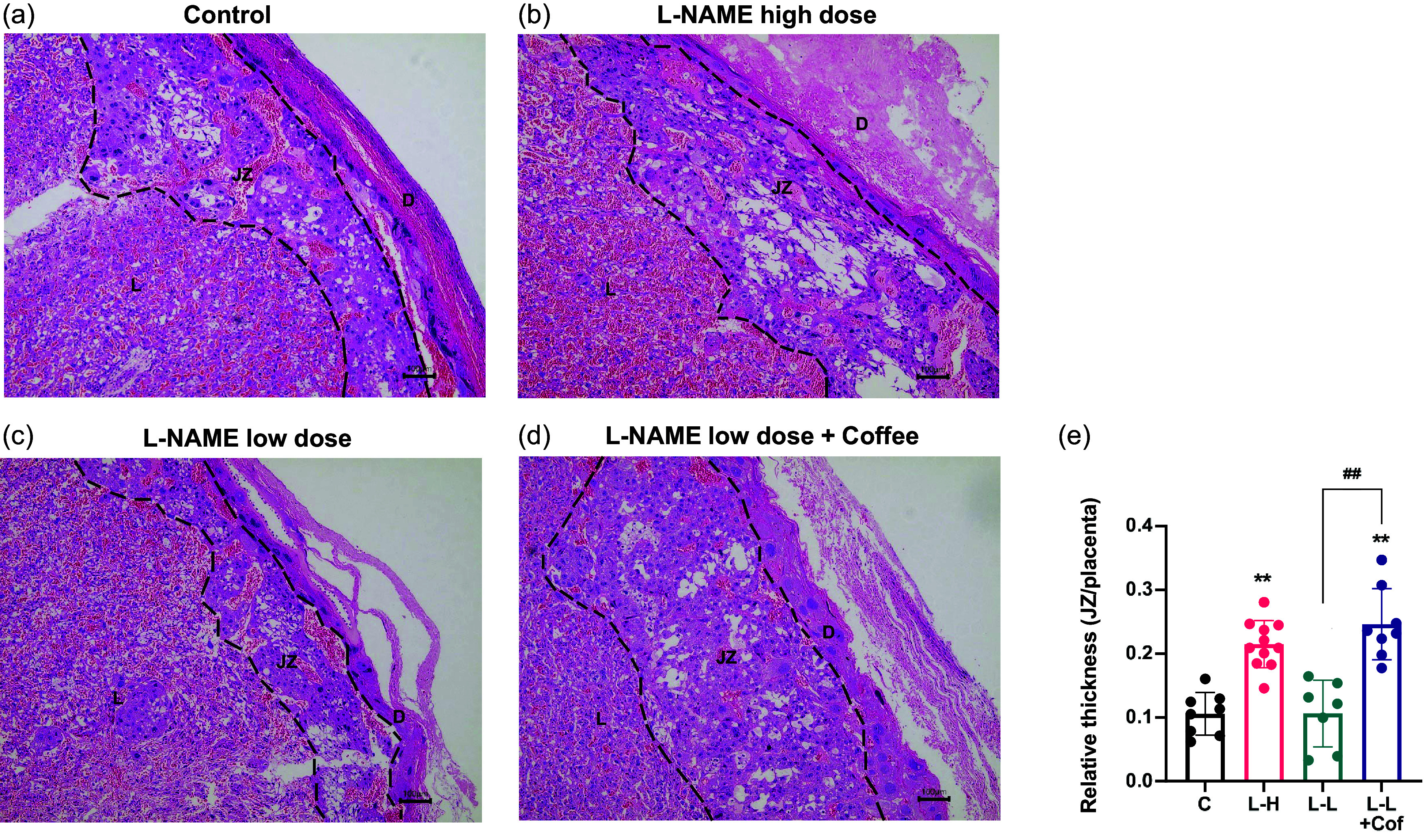 Figure 3
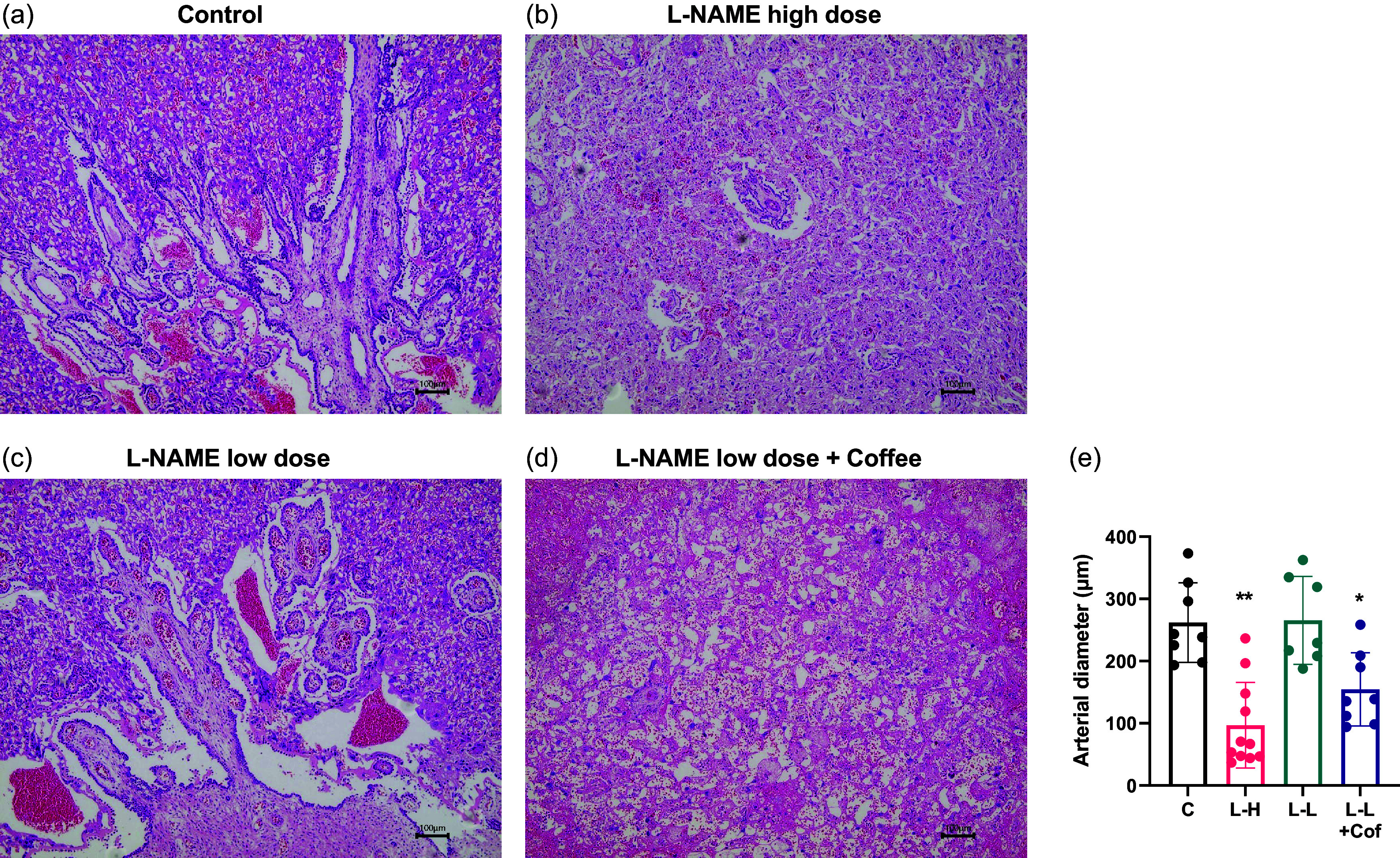 Figure 4
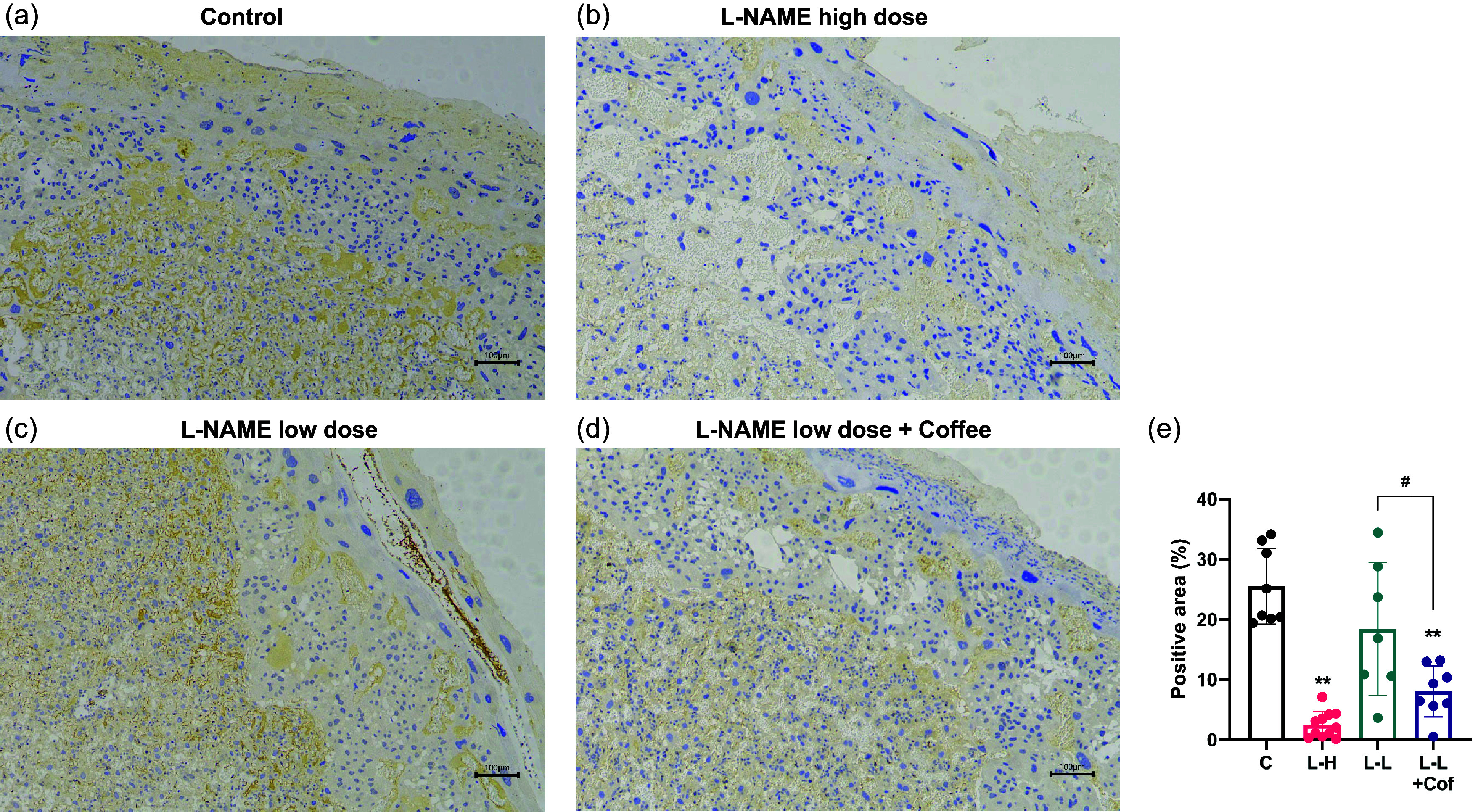 Figure 5
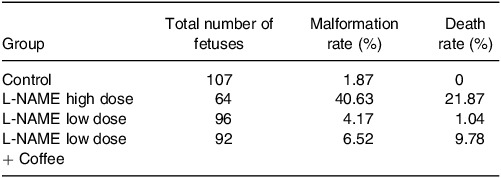 Figure 6
Peer Reviews
No public reviews on file for this paper yet. If you reviewed it on a platform where reviews are public (OpenReview, ICLR, NeurIPS, ICML), you can paste yours below so the community can read it here.
Videos
No videos yet. Explain this paper in a talk, walkthrough, or lecture? Add one.
Taxonomy
TopicsBirth, Development, and Health