Assessment of the In Vitro Phosphatidylinositol Glycan Class A (PIG-A) Gene Mutation Assay Using Human TK6 and Mouse Hepa1c1c7 Cell Lines
Wenhao Zhang, Charles A. Miller, Mark J. Wilson

TL;DR
This study evaluates how different cell lines and viability tests affect the results of a gene mutation assay used to detect mutagenic chemicals.
Contribution
The study demonstrates how cell line and cytotoxicity assay choices impact PIG-A gene mutation assay outcomes for different mutagens.
Findings
TK6 cells showed significantly higher mutation frequencies when exposed to high concentrations of EMS.
B[a]P exposure did not increase mutation frequency in TK6 cells but did in Hepa1c1c7 cells.
The MTT assay overestimated cell viability at high B[a]P concentrations, leading to reliance on PI-based cytotoxicity measurements.
Abstract
Gene mutations linked to diseases like cancer may be caused by exposure to environmental chemicals. The X-linked phosphatidylinositol glycan class A (PIG-A) gene, required for glycosylphosphatidylinositol (GPI) anchor biosynthesis, is a key target locus for in vitro genetic toxicity assays. Various organisms and cell lines may respond differently to genotoxic agents. Here, we compared the mutagenic potential of directly genotoxic ethyl methane sulfonate (EMS) to metabolically activated pro-mutagenic polycyclic aromatic hydrocarbons (PAHs). The two classes of mutagens were compared in an in vitro PIG-A gene mutation test using the metabolically active murine hepatoma Hepa1c1c7 cell line and the human TK6 cell line, which has limited metabolic capability. Determination of cell viability is required for quantifying mutagenicity. Two common cell viability tests, the MTT assay and propidium…
Genes, proteins, chemicals, diseases, species, mutations and cell lines named across the full text — each resolved to its canonical identifier and authoritative record.
Click any figure to enlarge with its caption.
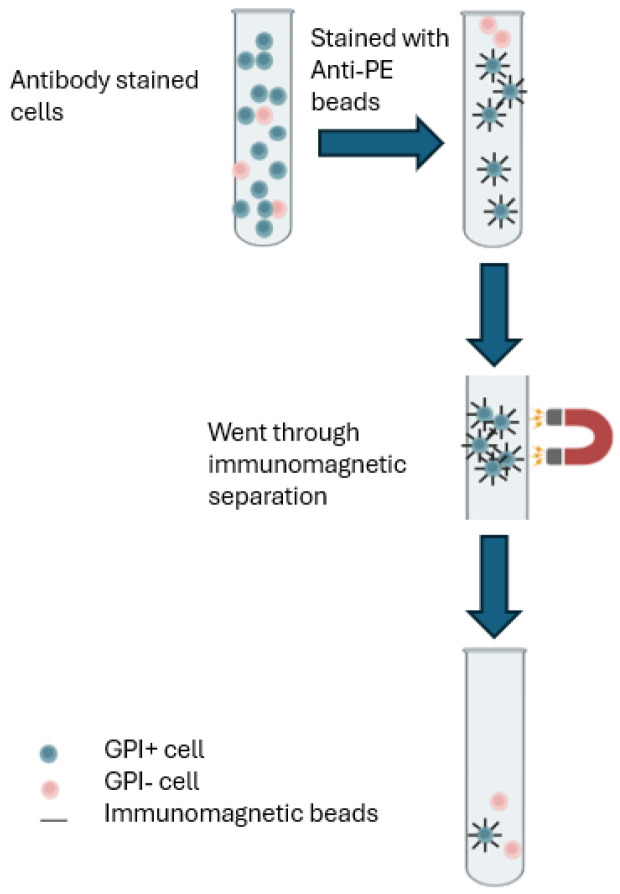 Figure 1
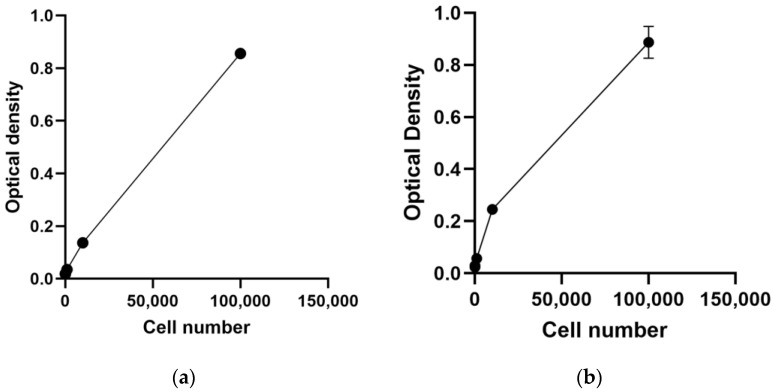 Figure 2
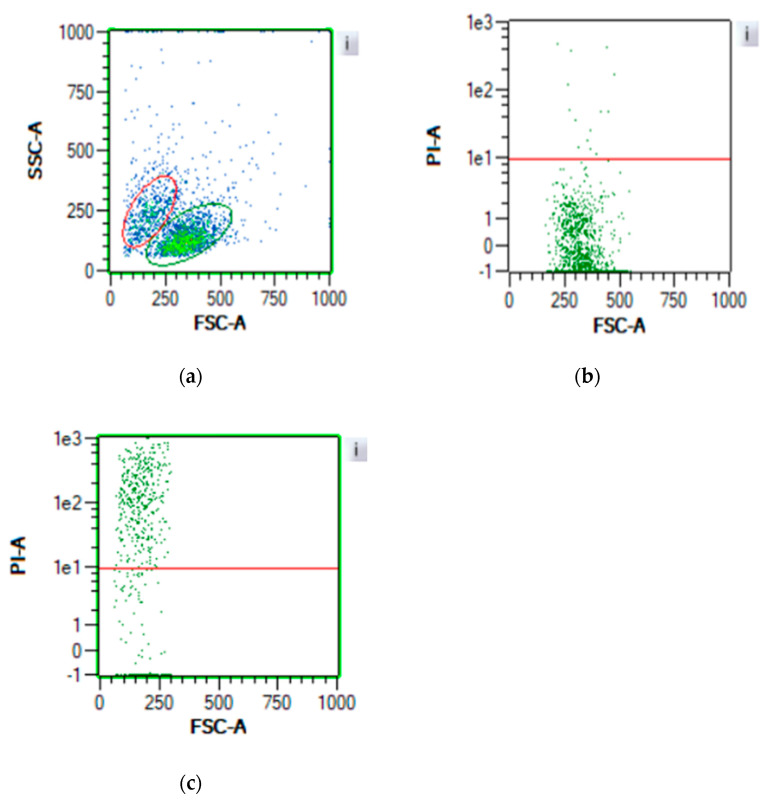 Figure 3
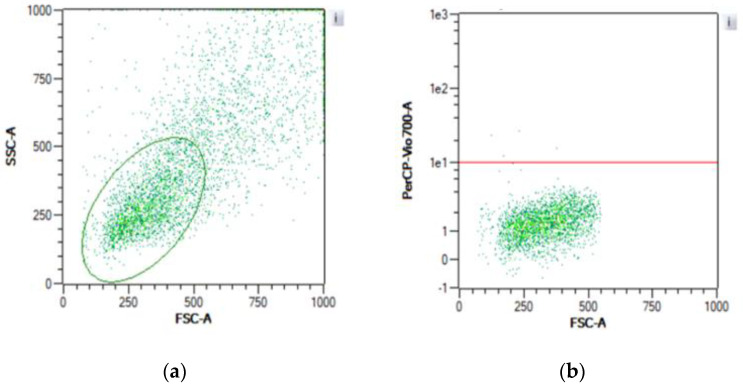 Figure 4
 Figure 5
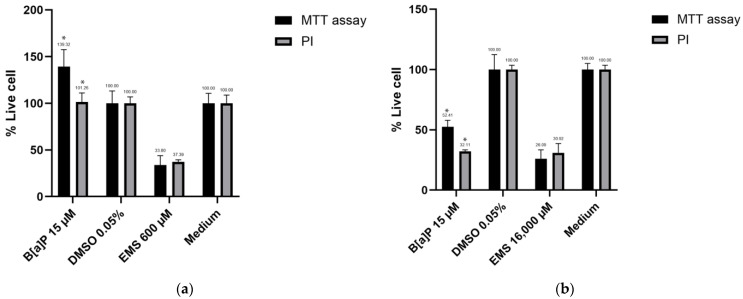 Figure 6
 Figure 7
 Figure 8
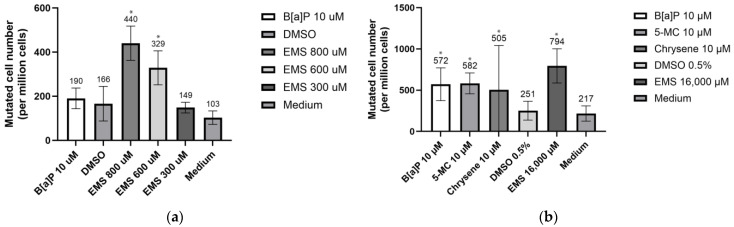 Figure 9
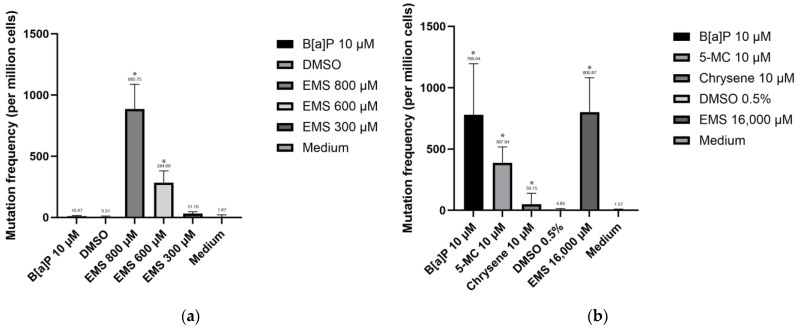 Figure 10
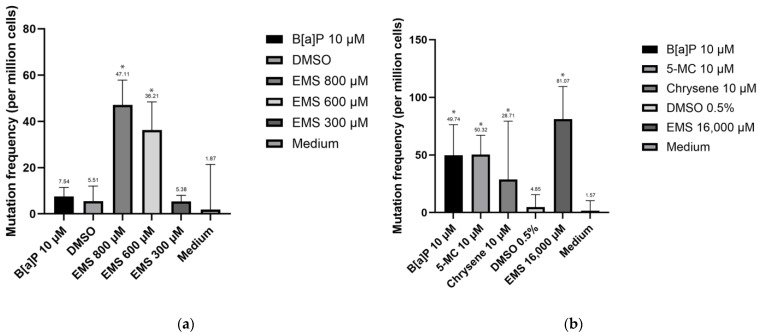 Figure 11
Peer Reviews
No public reviews on file for this paper yet. If you reviewed it on a platform where reviews are public (OpenReview, ICLR, NeurIPS, ICML), you can paste yours below so the community can read it here.
Videos
No videos yet. Explain this paper in a talk, walkthrough, or lecture? Add one.
Taxonomy
TopicsPlant Genetic and Mutation Studies · Insect Resistance and Genetics · CRISPR and Genetic Engineering