Fluorescein Angiography for Monitoring Neural Blood Flow in Chronic Nerve Compression Neuropathy: Experimental Animal Models and Preliminary Clinical Observations
Kosuke Saito, Mitsuhiro Okada, Takuya Yokoi, Shunpei Hama, Hiroaki Nakamura

TL;DR
This study explores the use of fluorescein angiography to monitor blood flow in nerves affected by chronic compression, showing promising results in both animal models and clinical cases.
Contribution
The study introduces fluorescein angiography as a novel and reliable method for assessing neural blood flow in severe nerve compression neuropathy.
Findings
Fluorescein angiography effectively monitored reduced neural blood flow in CNC rat and rabbit models.
Fluorescein angiography correlated strongly with compound muscle action potential amplitude, unlike laser Doppler flowmetry.
Fluorescein angiography showed significant correlation with preoperative electrodiagnostic findings in clinical CTS cases.
Abstract
Pathologies associated with neural blood disturbance have been reported in patients with chronic nerve compression (CNC) neuropathy. Fluorescein angiography (FAG) and laser Doppler flowmetry (LDF) are effective for real-time peripheral nerve blood flow assessment. However, their reliability in severe neuropathy models in large animals or clinical conditions remains unclear. Initially, we aim to apply FAG to two different CNC animal models and evaluate their characteristics in comparison with those of LDF. In FAG, we quantified the peak luminance at the compression site following fluorescein injection. Then, we positioned the LDF probe at the center of the compression site and recorded the blood flow. Subsequently, we analyzed whether the FAG characteristics obtained in this animal experiment were consistent with those of clinical studies in patients with severe carpal tunnel syndrome…
Genes, proteins, chemicals, diseases, species, mutations and cell lines named across the full text — each resolved to its canonical identifier and authoritative record.
Click any figure to enlarge with its caption.
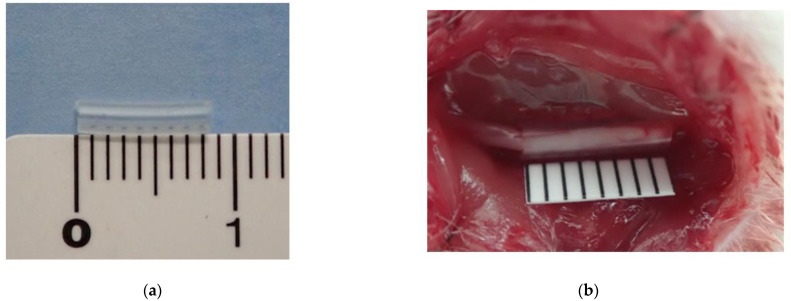 Figure 1
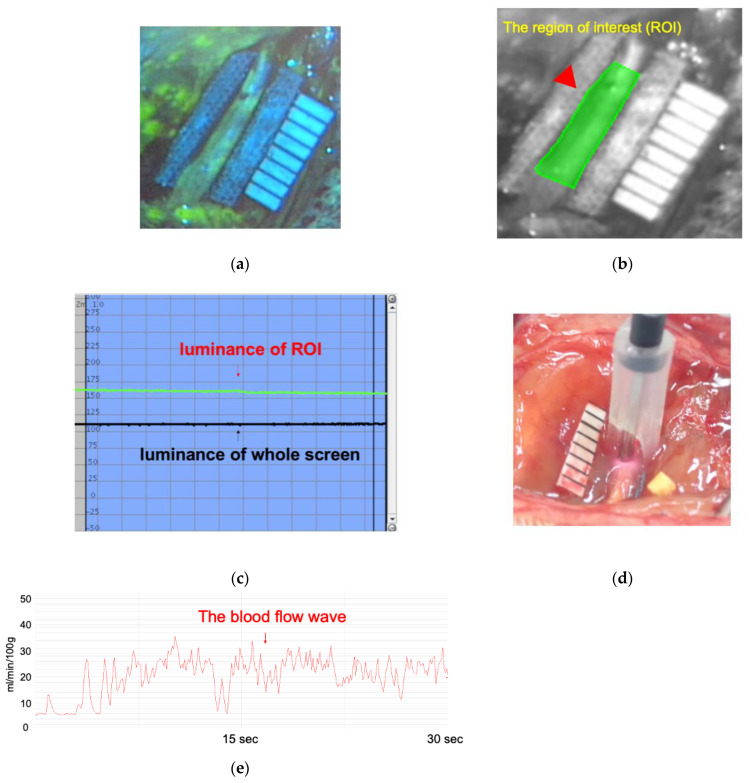 Figure 2
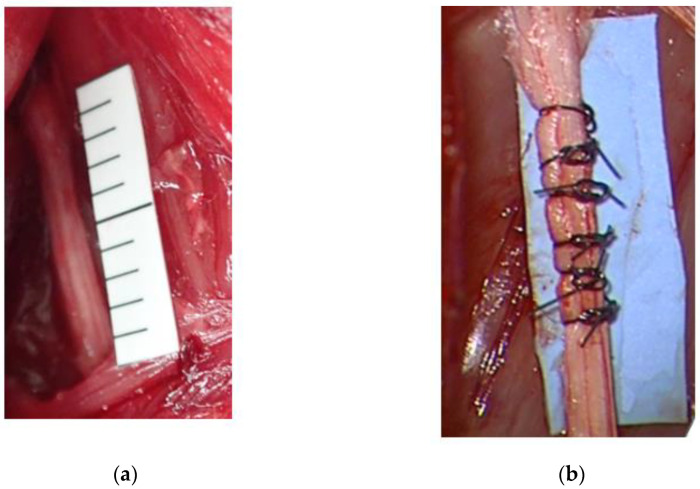 Figure 3
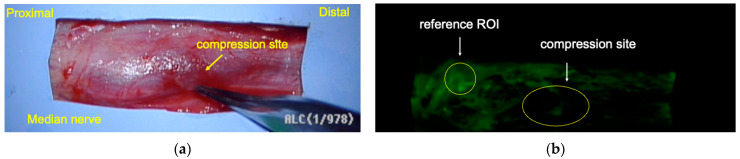 Figure 4
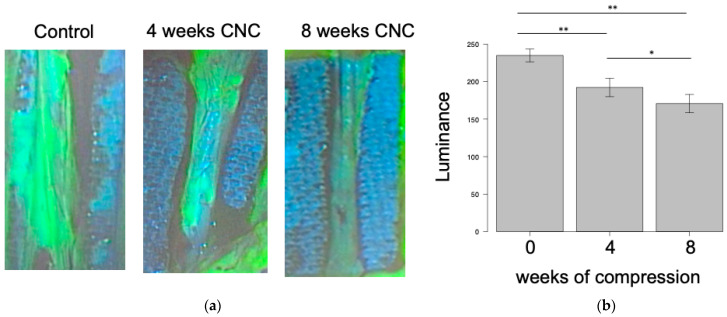 Figure 5
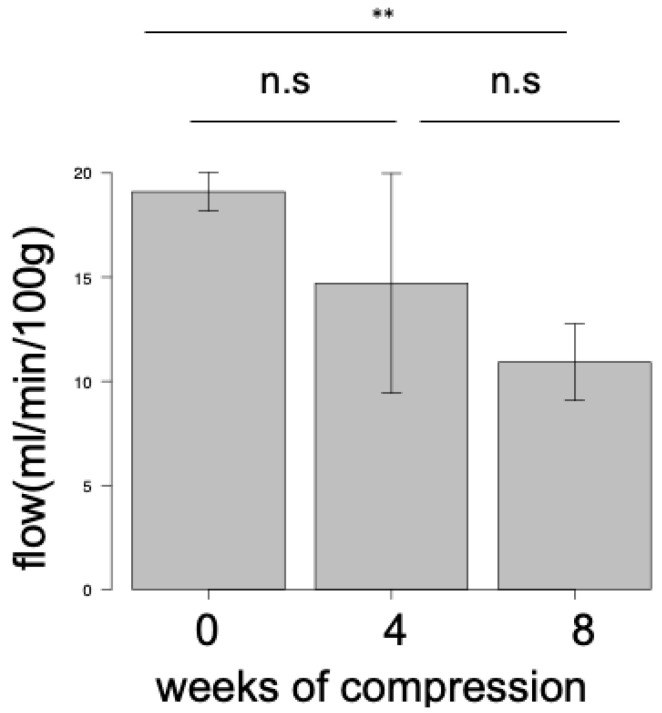 Figure 6
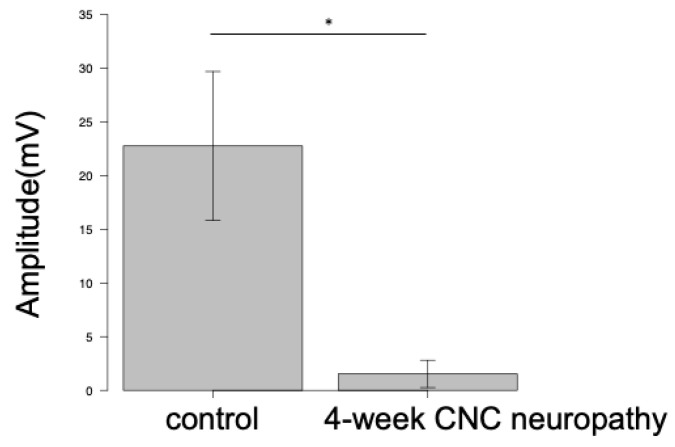 Figure 7
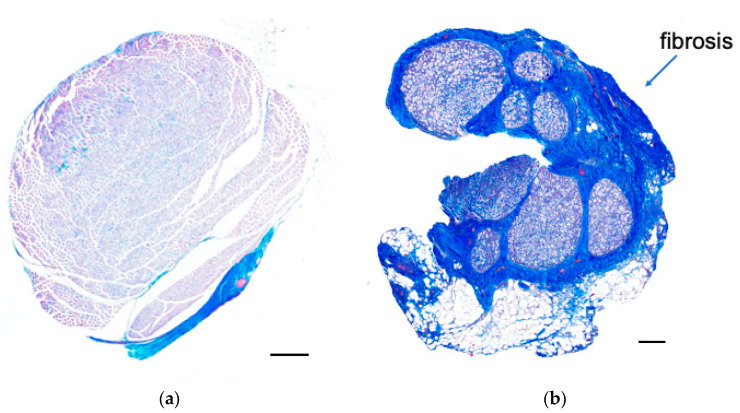 Figure 8
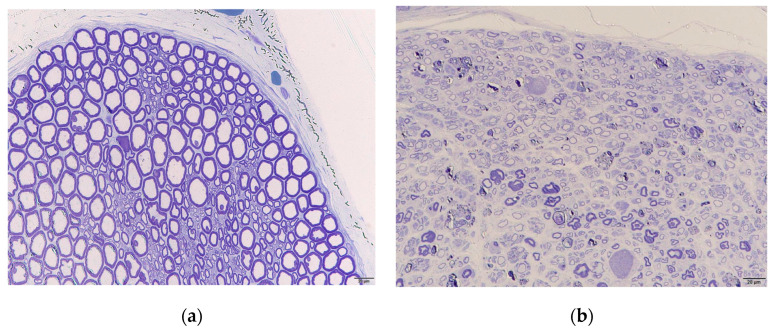 Figure 9
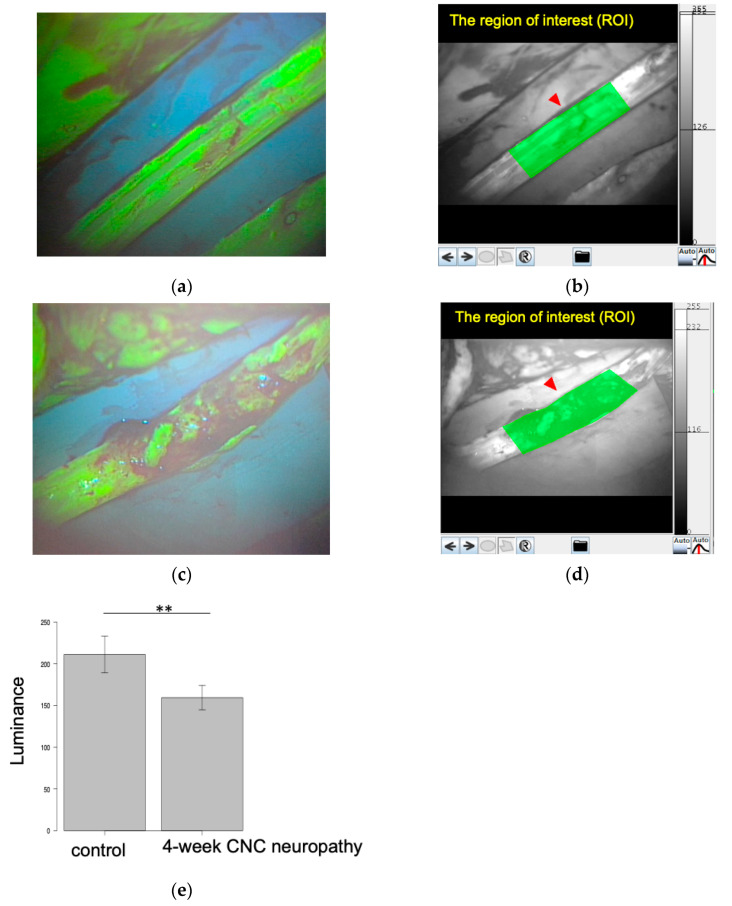 Figure 10
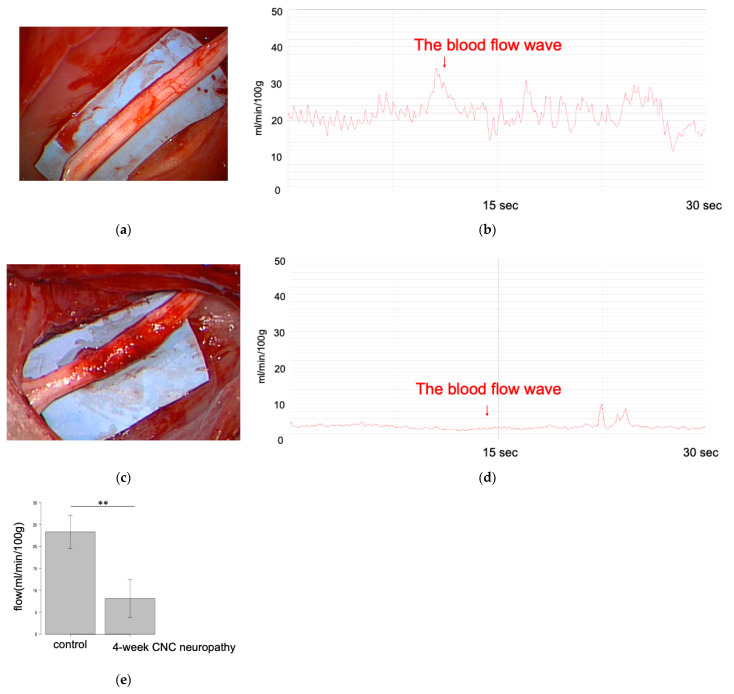 Figure 11
Peer Reviews
No public reviews on file for this paper yet. If you reviewed it on a platform where reviews are public (OpenReview, ICLR, NeurIPS, ICML), you can paste yours below so the community can read it here.
Videos
No videos yet. Explain this paper in a talk, walkthrough, or lecture? Add one.
Taxonomy
TopicsPeripheral Nerve Disorders · Nerve Injury and Rehabilitation · Botulinum Toxin and Related Neurological Disorders