From Sequence to Solution: Intelligent Learning Engine Optimization in Drug Discovery and Protein Analysis
Jamal Raiyn, Adam Rayan, Saleh Abu-Lafi, Anwar Rayan

TL;DR
This paper introduces an intelligent learning engine that improves screening processes in drug discovery and protein analysis, offering a transformative approach to candidate selection.
Contribution
The novel intelligent learning engine (ILE) optimization technology significantly enhances screening accuracy and efficiency in drug discovery and protein classification.
Findings
The ILE technology demonstrates superior accuracy in protein classification and virtual high-throughput screening.
It successfully identifies drug-induced long QT syndrome risks through hERG potassium channel interaction analysis.
The ILE enables the formulation and evaluation of novel cancer drug candidates with exceptional results.
Abstract
This study introduces the intelligent learning engine (ILE) optimization technology, a novel approach designed to revolutionize screening processes in bioinformatics, cheminformatics, and a range of other scientific fields. By focusing on the efficient and precise identification of candidates with desirable characteristics, the ILE technology marks a significant leap forward in addressing the complexities of candidate selection in drug discovery, protein classification, and beyond. The study’s primary objective is to address the challenges associated with optimizing screening processes to efficiently select candidates across various fields, including drug discovery and protein classification. The methodology employed involves a detailed algorithmic process that includes dataset preparation, encoding of protein sequences, sensor nucleation, and optimization, culminating in the empirical…
Genes, proteins, chemicals, diseases, species, mutations and cell lines named across the full text — each resolved to its canonical identifier and authoritative record.
Click any figure to enlarge with its caption.
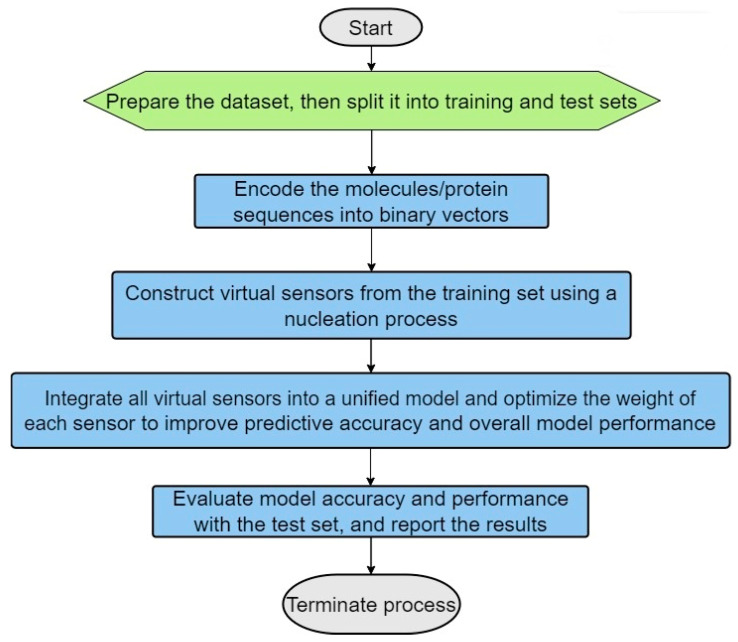 Figure 1
 Figure 2
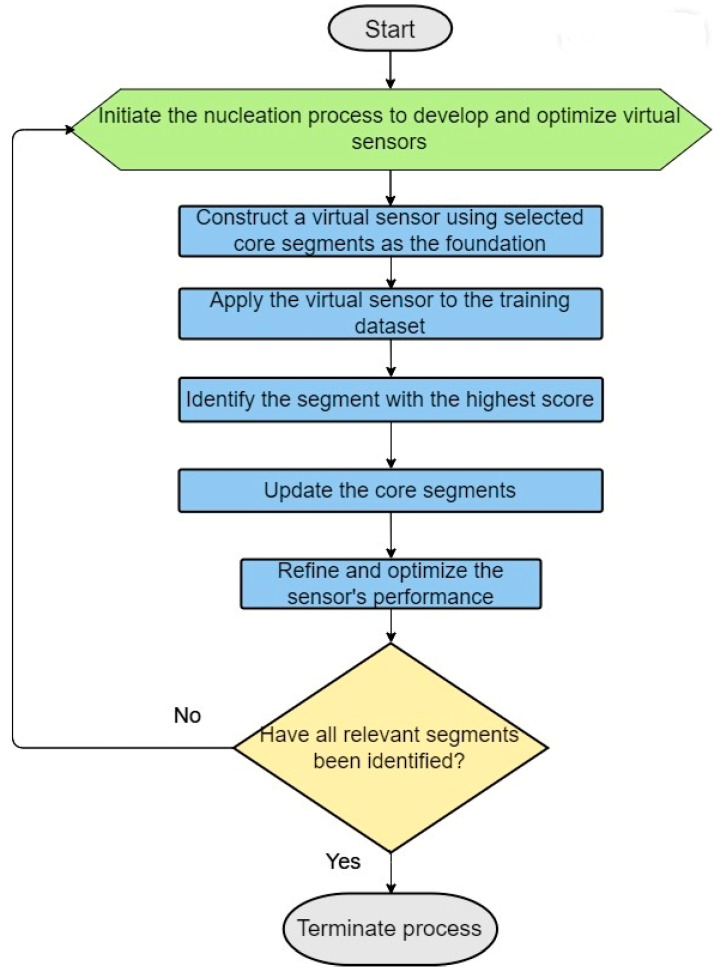 Figure 3
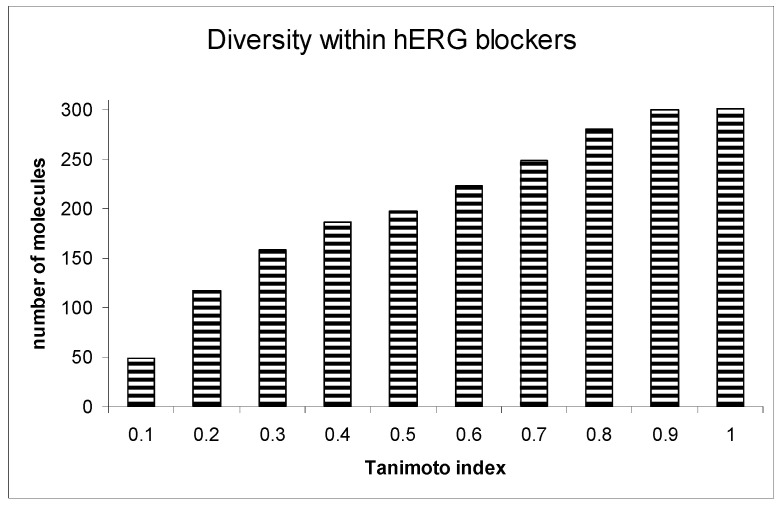 Figure 4
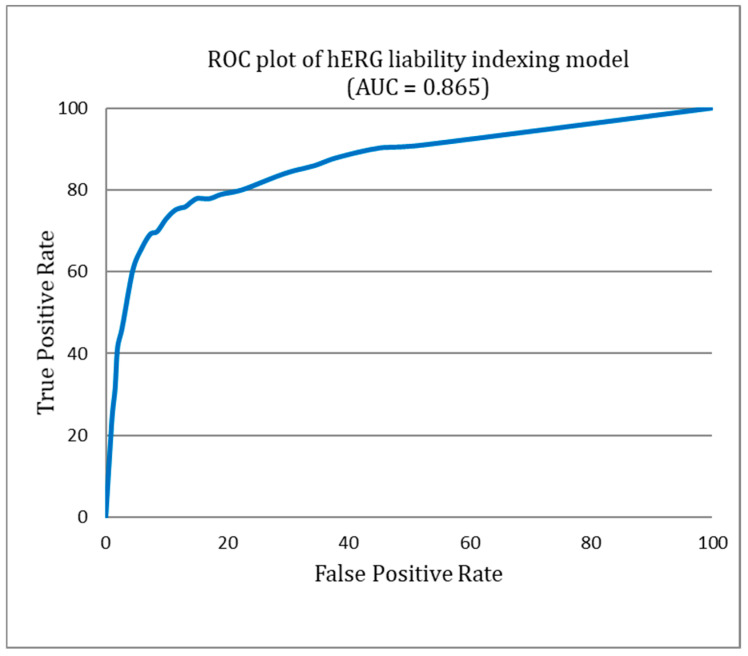 Figure 5
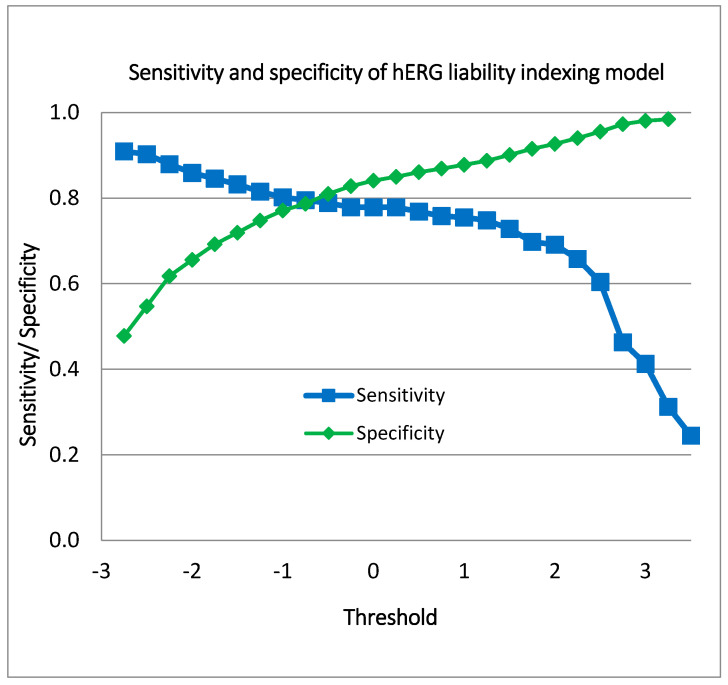 Figure 6
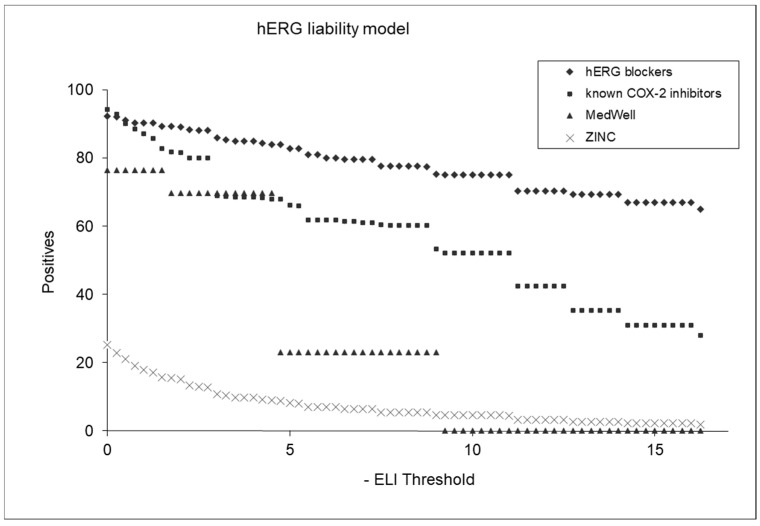 Figure 7
Peer Reviews
No public reviews on file for this paper yet. If you reviewed it on a platform where reviews are public (OpenReview, ICLR, NeurIPS, ICML), you can paste yours below so the community can read it here.
Videos
No videos yet. Explain this paper in a talk, walkthrough, or lecture? Add one.
Taxonomy
TopicsComputational Drug Discovery Methods · Genetics, Bioinformatics, and Biomedical Research · Microbial Metabolic Engineering and Bioproduction