Detection of nitro-aromatics using C5N2 as an electrochemical sensor: a DFT approach
Nabeela, Muhammad Ali Hashmi, Ahmad Nauman Shah Saqib, Aqsa Kamran, Ahmed Lakhani

TL;DR
This paper explores using a C5N2 material as a sensor to detect harmful nitroaromatic compounds like picric acid, TNT, and 1,3-DNB through computational methods.
Contribution
The study introduces C5N2 as a novel electrochemical sensor for nitroaromatics and identifies picric acid as the most strongly interacting compound.
Findings
Picric acid@C5N2 complex showed the highest interaction energy.
C5N2 demonstrated high sensitivity and selectivity towards picric acid compared to other nitroaromatics.
Electronic and recovery time analyses confirmed C5N2's efficiency as a sensor.
Abstract
Nitroaromatics impose severe health problems and threats to the environment. Therefore, the detection of such hazardous substances is essential to save the whole ecosystem. Herein, the C5N2 sheet is used as an electrochemical sensor for the detection of 1,3-dinitrobenzene (1,3-DNB), trinitrotoluene (TNT), and picric acid (PA) using the PBE0/def2SVP level of theory as implemented in Gaussian 16. The highest interaction energy was observed for the picric acid@C5N2 complex. The trend in interaction energies for the studied system is PA@C5N2 >TNT@C5N2 >1,3-DNB@C5N2. The studied systems were further analysed by qualitative and quantitative analyses to determine the interactions between the nitroaromatic analytes and the C5N2 sheet. Electronic properties of all analytes@C5N2 complexes have been examined by NBO, EDD, FMO and DOS analysis. QTAIM analysis depicts the stronger non-covalent…
Genes, proteins, chemicals, diseases, species, mutations and cell lines named across the full text — each resolved to its canonical identifier and authoritative record.
Click any figure to enlarge with its caption.
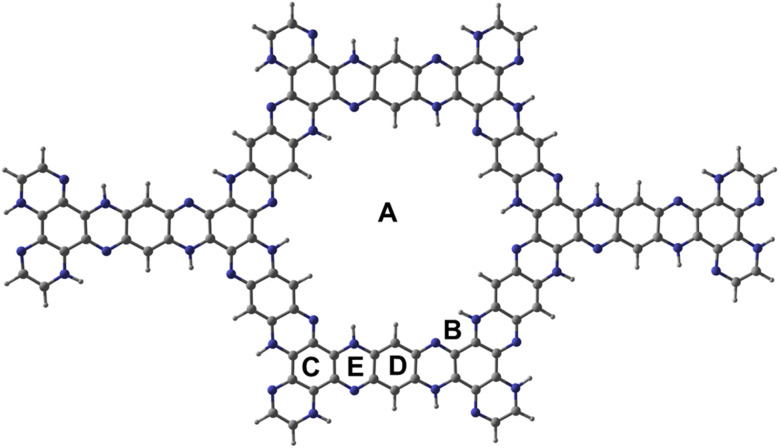 Figure 1
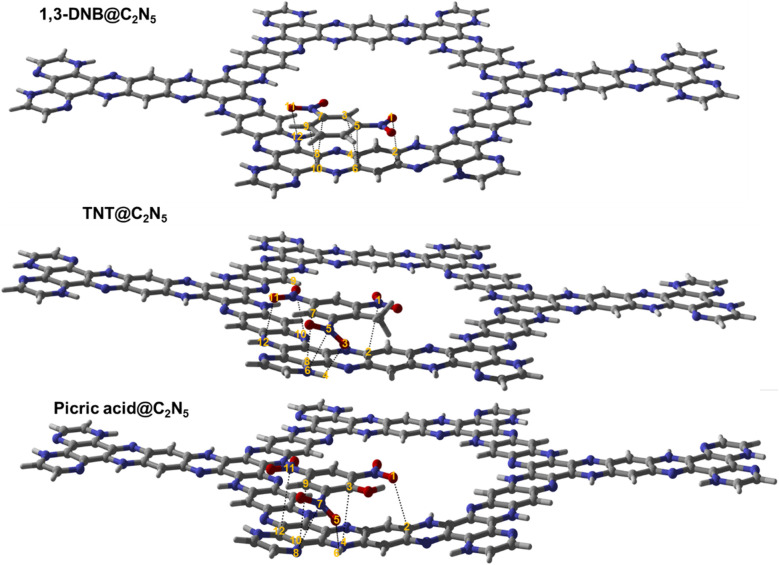 Figure 2
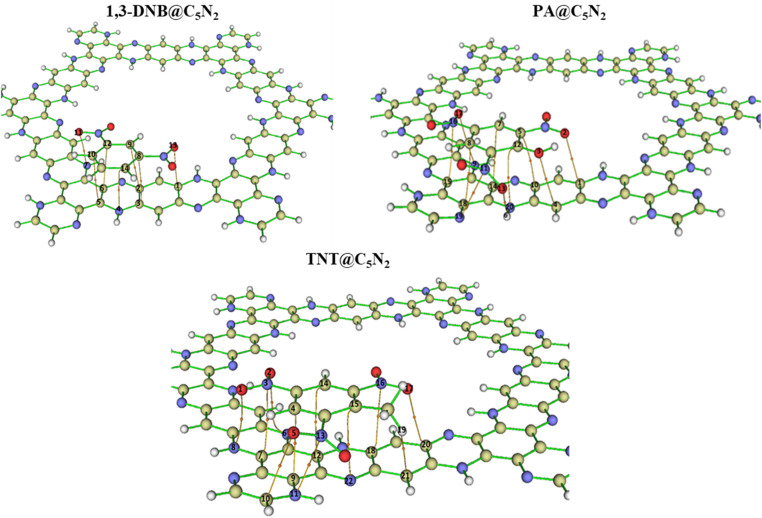 Figure 3
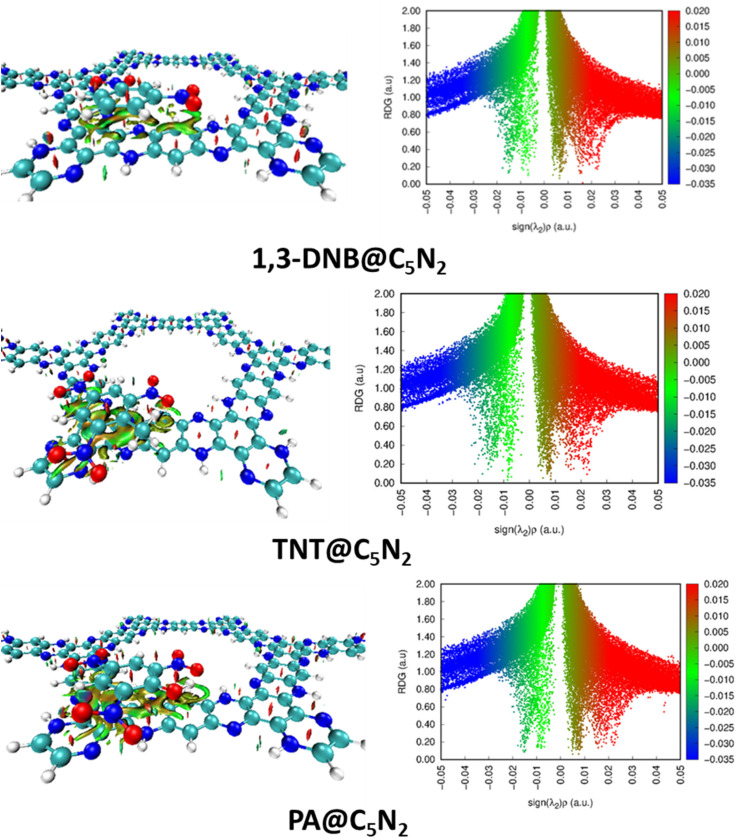 Figure 4
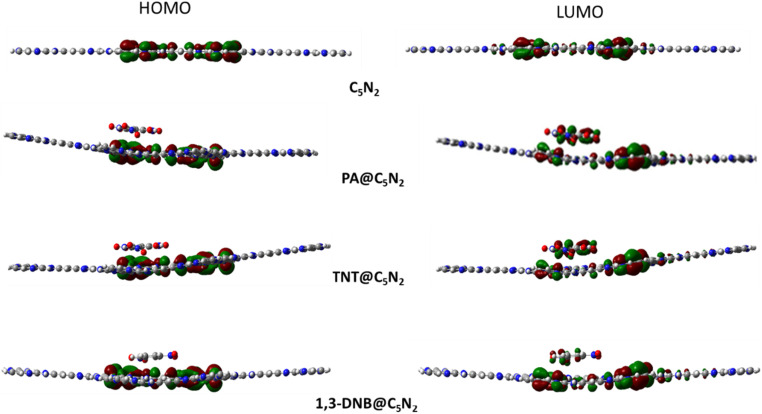 Figure 5
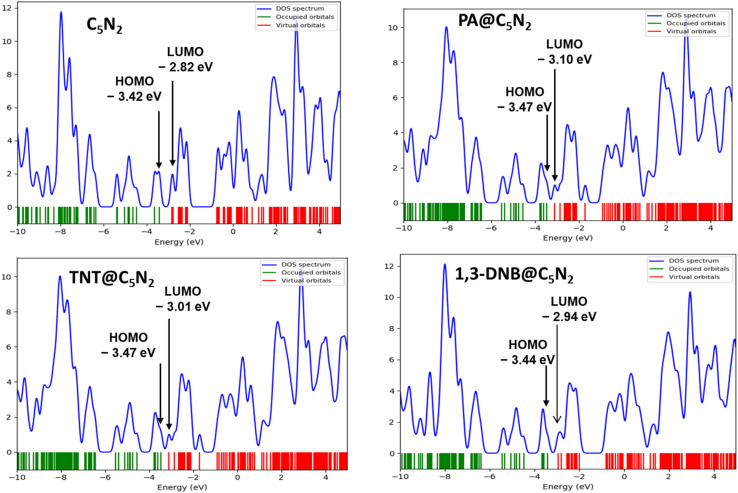 Figure 6
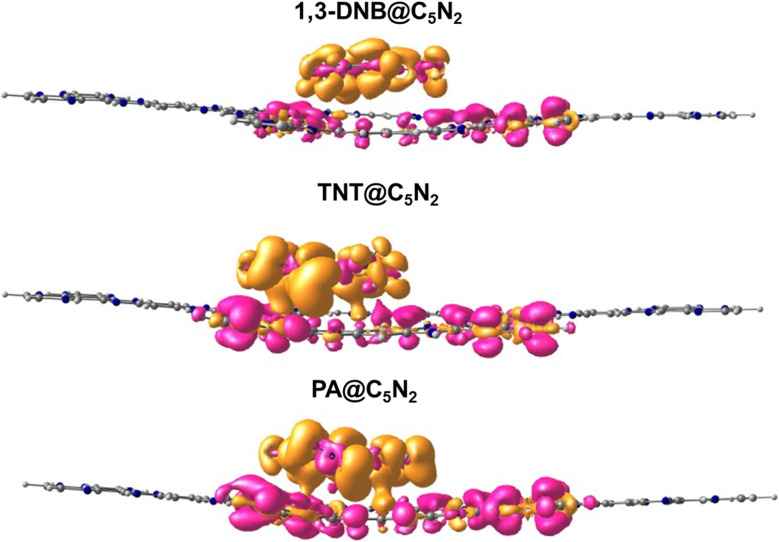 Figure 7
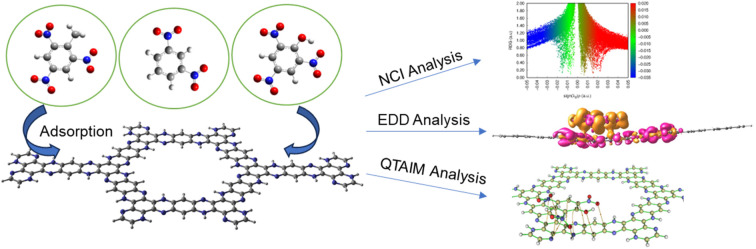 Figure 8
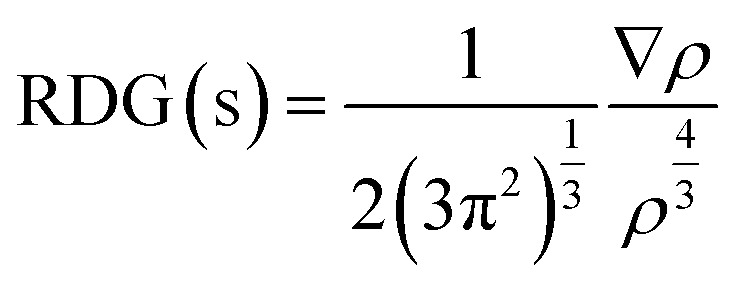 Figure 9
Peer Reviews
No public reviews on file for this paper yet. If you reviewed it on a platform where reviews are public (OpenReview, ICLR, NeurIPS, ICML), you can paste yours below so the community can read it here.
Videos
No videos yet. Explain this paper in a talk, walkthrough, or lecture? Add one.
Taxonomy
TopicsCultural Industries and Urban Development