Editorial Note: Discovery of Markers of Exposure Specific to Bites of Lutzomyia longipalpis, the Vector of Leishmania infantum chagasi in Latin America

Abstract
Genes, proteins, chemicals, diseases, species, mutations and cell lines named across the full text — each resolved to its canonical identifier and authoritative record.
Click any figure to enlarge with its caption.
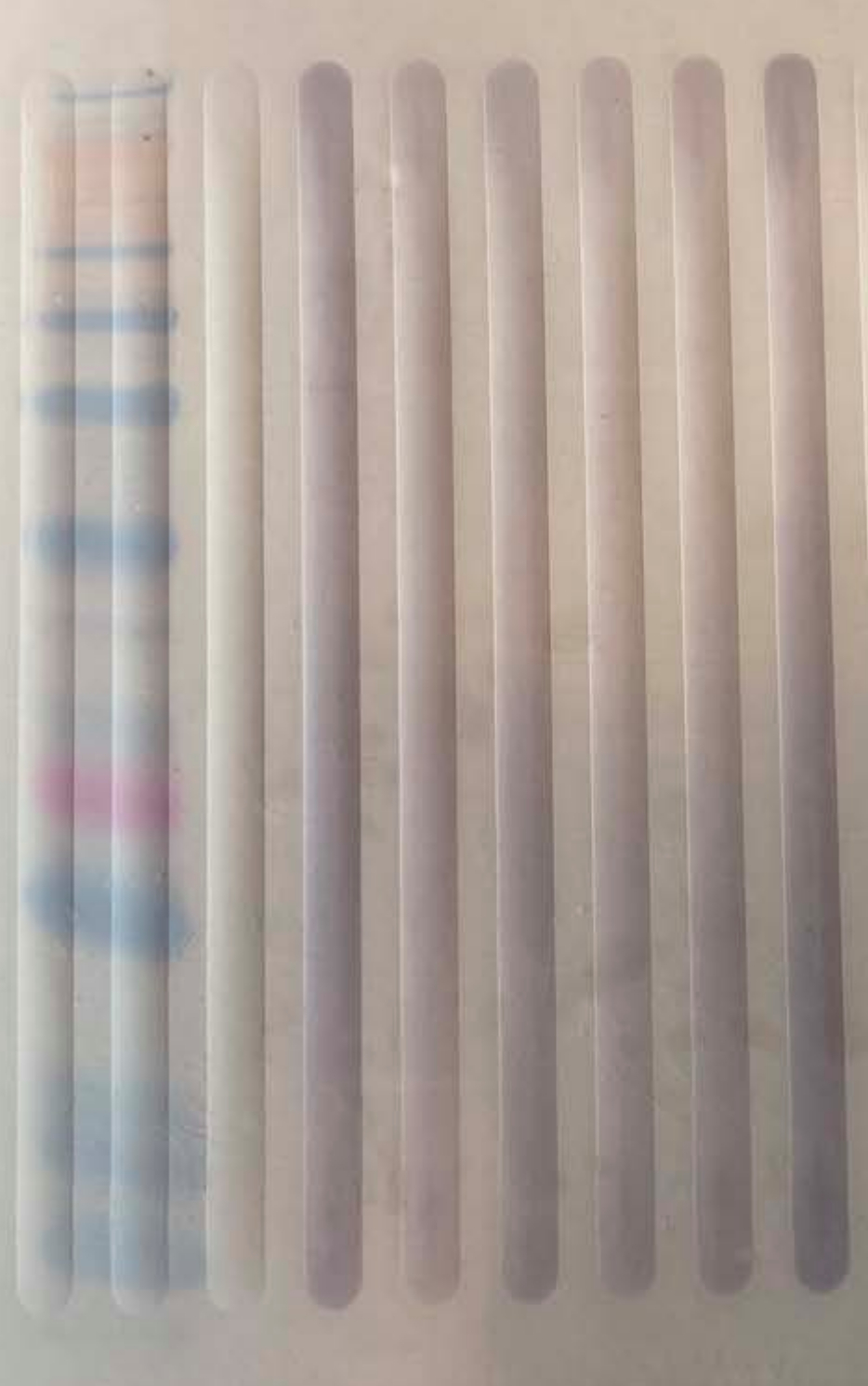 Figure 1
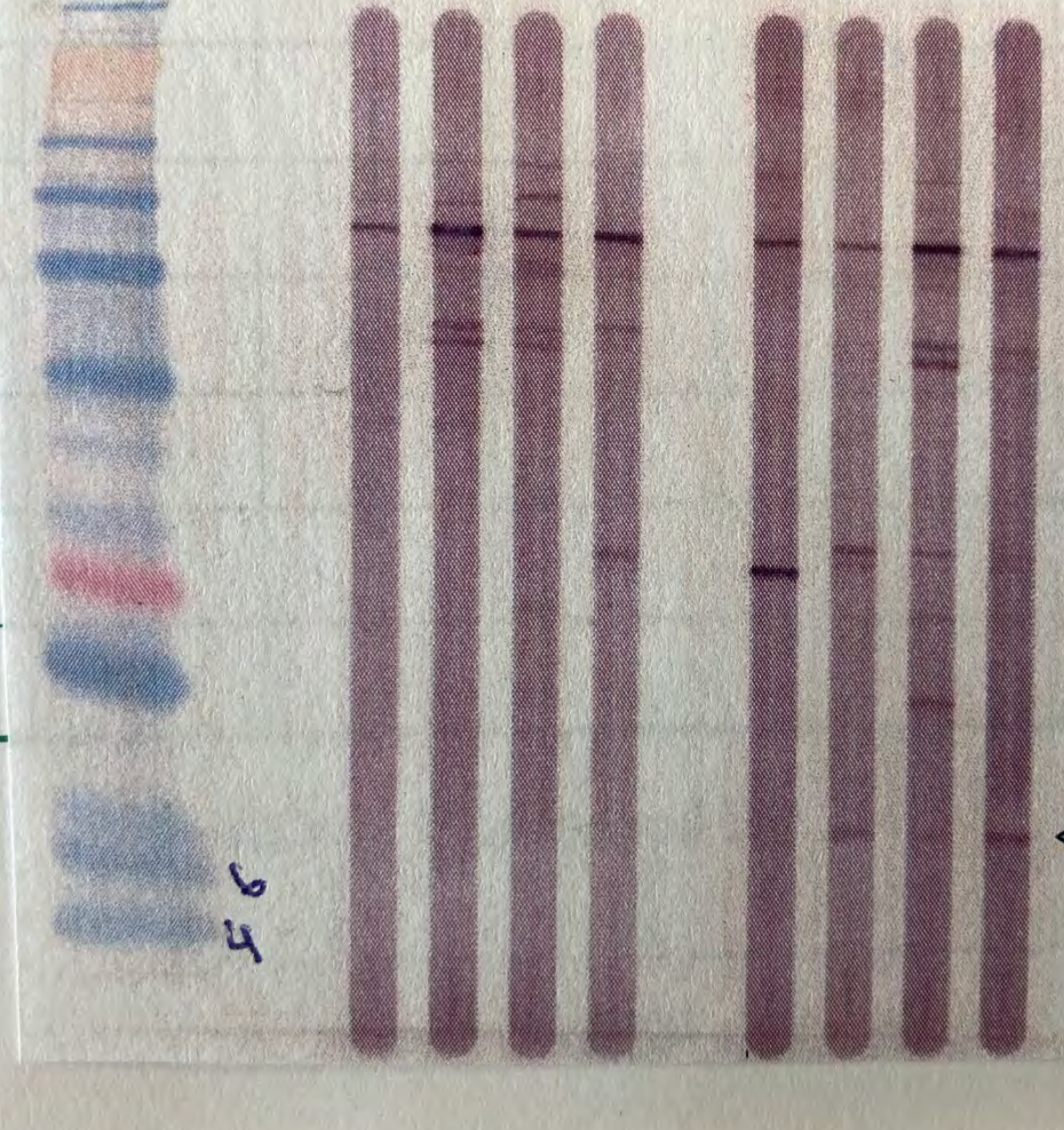 Figure 2
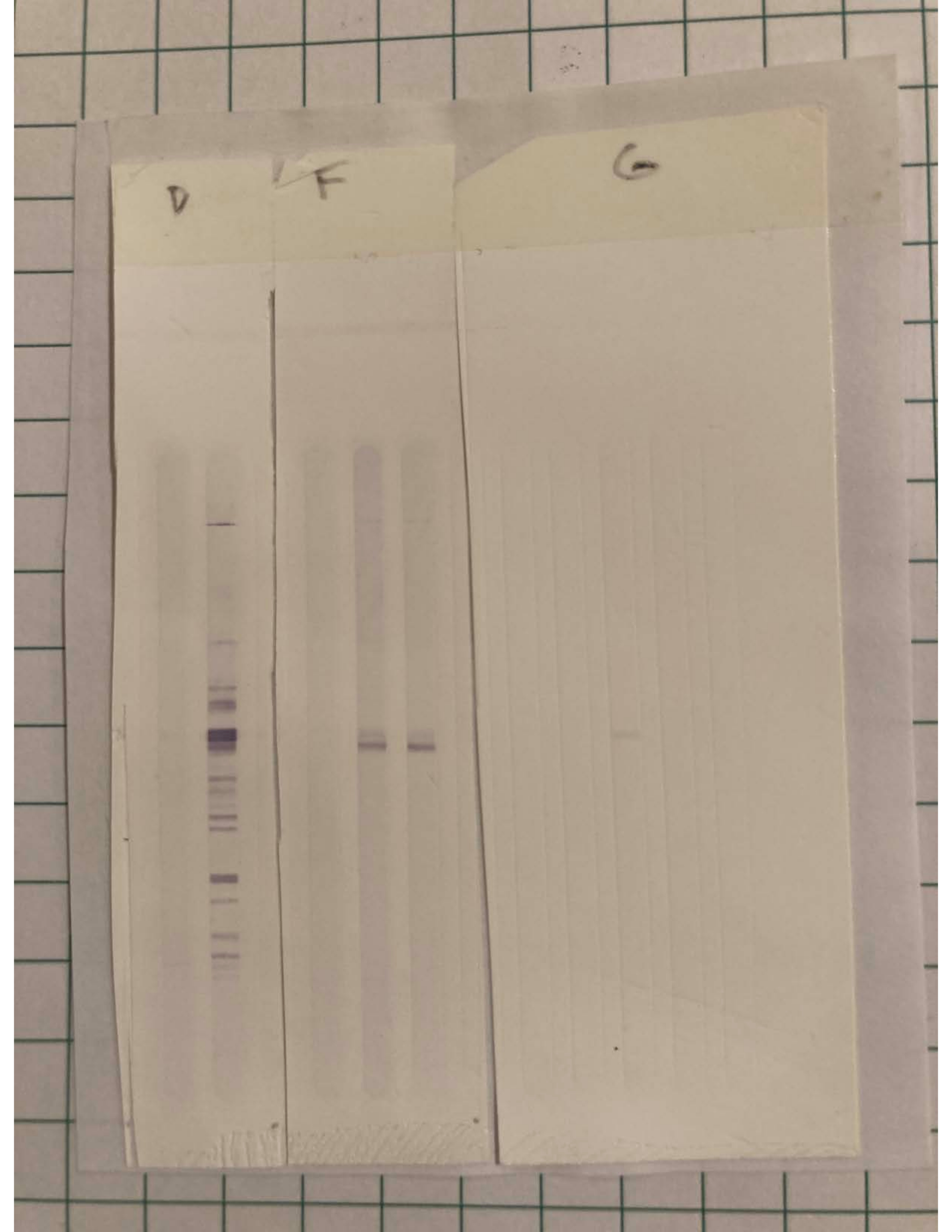 Figure 3
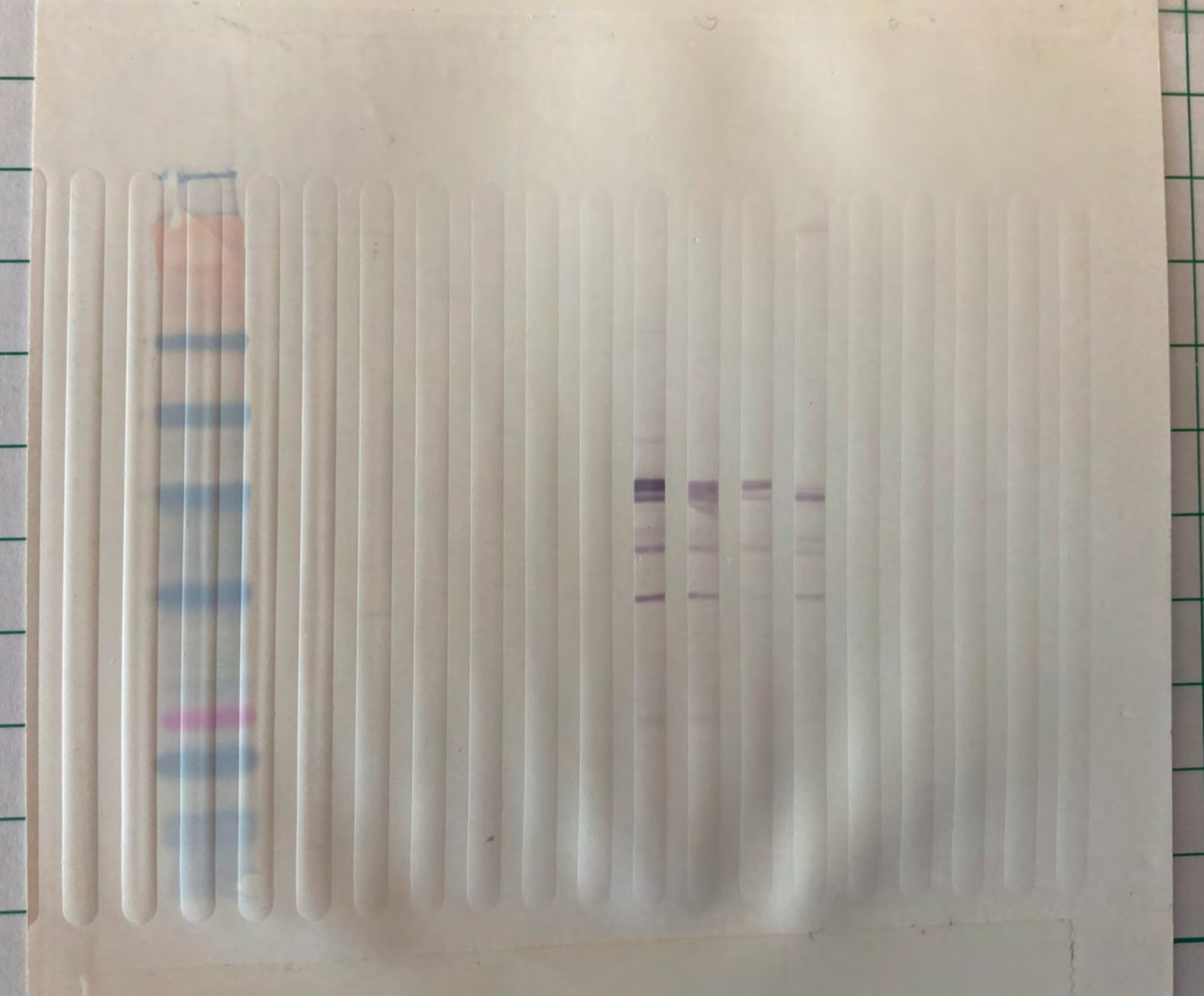 Figure 4
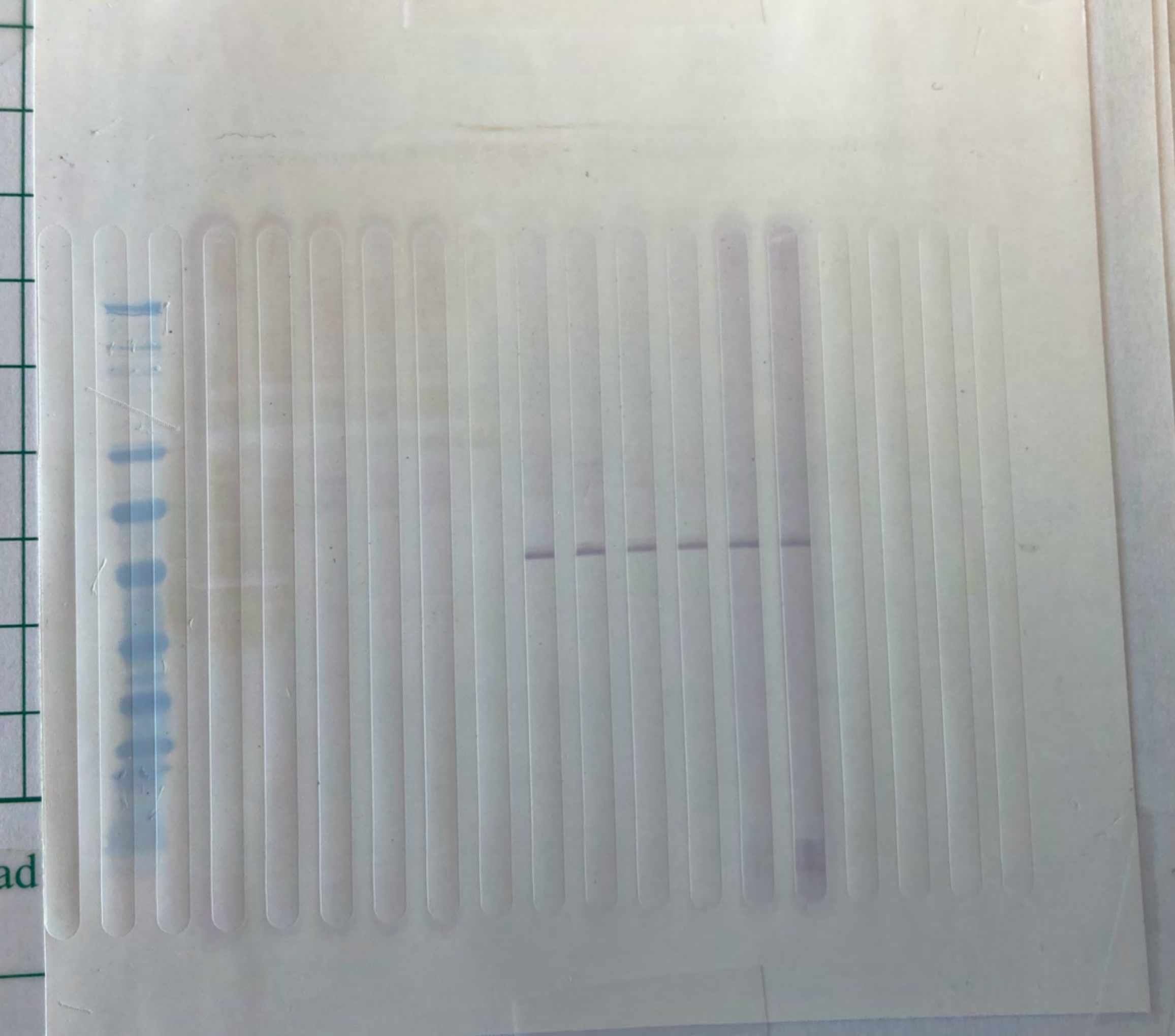 Figure 5
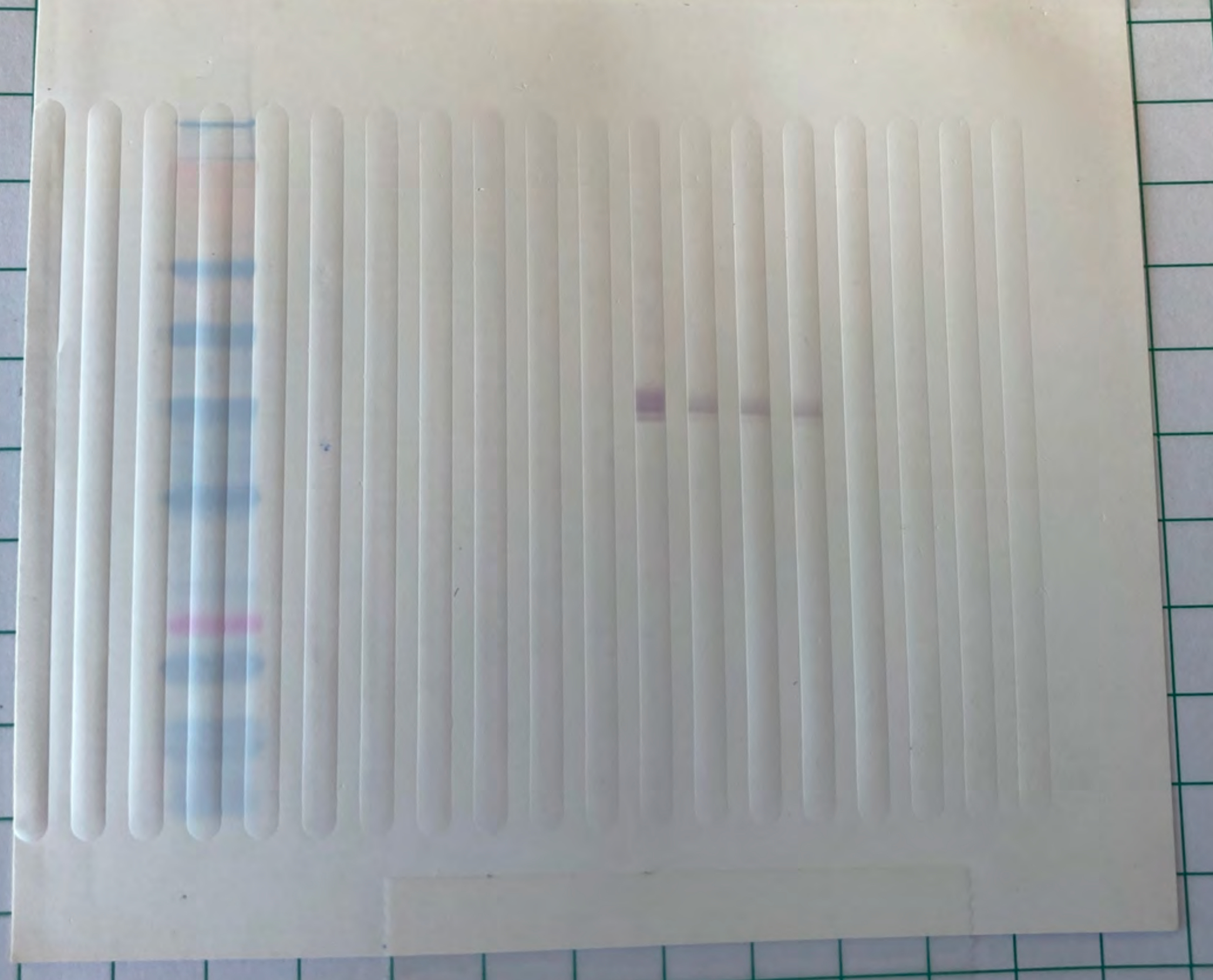 Figure 6
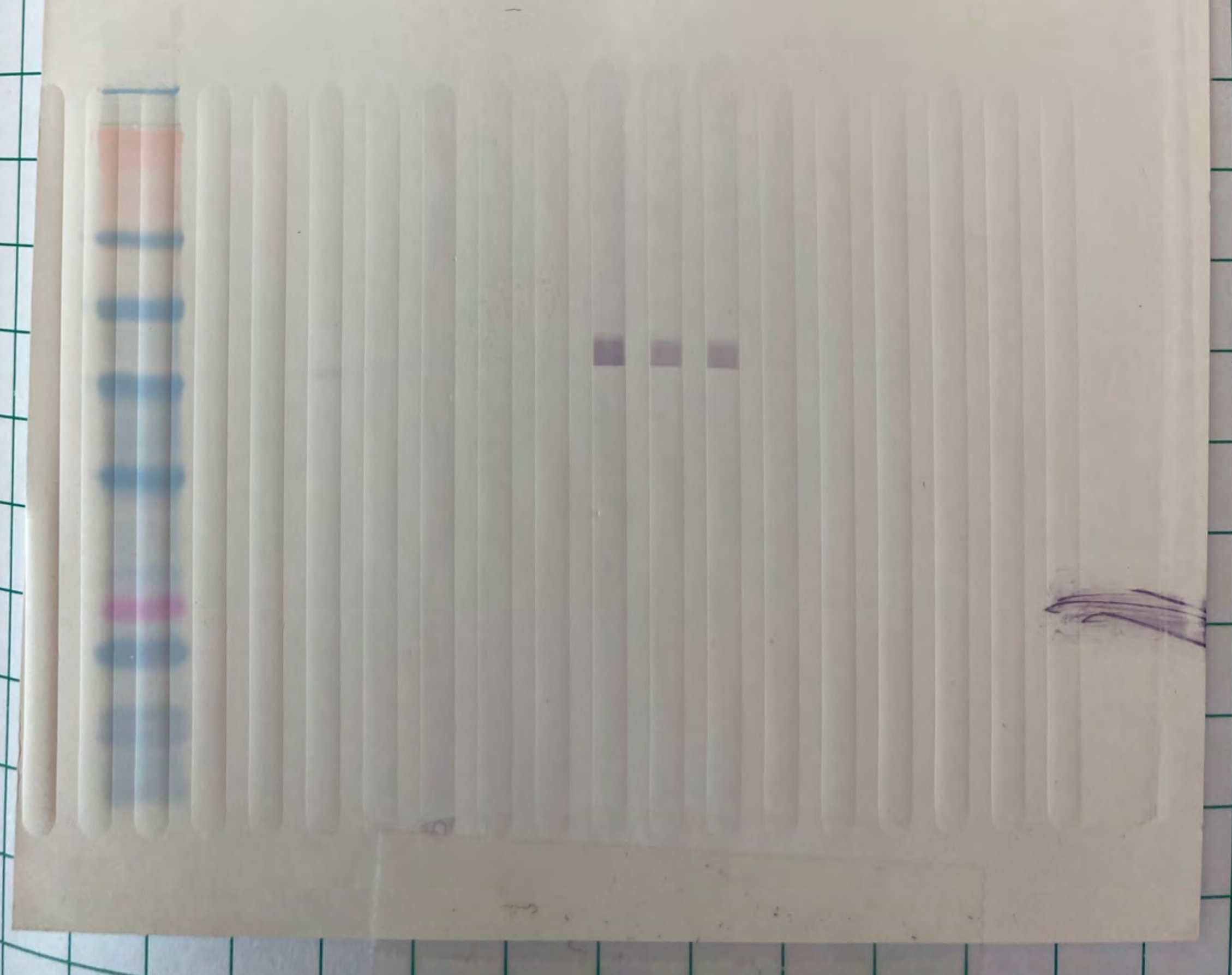 Figure 7
Peer Reviews
No public reviews on file for this paper yet. If you reviewed it on a platform where reviews are public (OpenReview, ICLR, NeurIPS, ICML), you can paste yours below so the community can read it here.
Videos
No videos yet. Explain this paper in a talk, walkthrough, or lecture? Add one.
Taxonomy
TopicsResearch on Leishmaniasis Studies · Trypanosoma species research and implications
Following the publication of this article [1], concerns were raised regarding results presented in Figs 1 and 5. Specifically, when levels are adjusted to visualize the background:
The corresponding author provided additional methodological information to explain the appearance of vertical discontinuities:
The corresponding author provided the available uncropped underlying images for this article (S3–S7 Files) including the Dog and Fox panels of Fig 1B, and the Dog LJL23 panel of Fig 5, but they were unable to retrieve all original images for the figures included in the article.
In evaluating the “-” lane of the Dog panel of Fig 1B, PLOS noted some differences between the published figure and the underlying blot image. Although this issue was not resolved, PLOS concluded that the data provided for Figs 1B and 5 appear to support the results reported in [1].
Supporting information
S1 FileExample of a photograph of an underlying image showing a multiscreen apparatus blot.This is an image of a multiscreen apparatus blot from an experiment unrelated to this article, provided to show the discontinuity in background seen in blots used in this methodology.(JPG)
S2 FileExample of a scanned underlying image showing a multiscreen apparatus blot.This is a scanned image of a multiscreen apparatus blot from an experiment unrelated to this article, provided to show the discontinuity in background seen in blots used in this methodology. Once scanned, the image appears flat and the negative lane appears similar to the blank background.(JPG)
S3 FileOriginal, uncropped image underlying the Dog and Fox panels of Fig 1B.(JPG)
S4 FileOriginal, uncropped image underlying the left panel of Fig 2B.(JPG)
S5 FileOriginal, uncropped image underlying the LJL23 Dog panel of Fig 5.(JPG)
S6 FileOriginal, uncropped image underling the LJM11 Human VL endemic area panel of Fig 6.(JPG)
S7 FileOriginal, uncropped image underling the LJM17 Human VL endemic area panel of Fig 6.(JPG)
The reference list from the paper itself. Each links out to its DOI / PubMed record.
- 1Teixeira C, Gomes R, Collin N, Reynoso D, Jochim R, Oliveira F, et al. (2010) Discovery of Markers of Exposure Specific to Bites of Lutzomyia longipalpis, the Vector of Leishmania infantum chagasi in Latin America. P Lo S Negl Trop Dis 4(3): e 638. doi: 10.1371/journal.pntd.0000638 20351786 PMC 2843637 · doi ↗ · pubmed ↗