Explosive regeneration and anamorphic development of legs in the house centipede Scutigera coleoptrata
Iulia Barutia, Andy Sombke

TL;DR
House centipedes can regenerate lost legs quickly after a molt, using a specialized breakage point and developmental processes similar to leg growth in young stages.
Contribution
The study reveals the unique regenerative mechanism in house centipedes, linking regeneration to developmental processes and highlighting its rarity among land arthropods.
Findings
House centipedes regenerate legs fully after one molt using a three-layered diaphragm at the trochanter.
Regeneration is faster when closer to molting and involves coiled growth of the new leg.
Leg regeneration and development share similarities, suggesting regeneration is an epiphenomenon of development.
Abstract
Regenerating legs is advantageous for arthropods as their appendages exhibit crucial functional specializations. Many arthropods possess a ‘preferred breakage point’, where the appendage is most likely to break and where regeneration likely to occur, however, different taxa exhibit different levels of regenerative potential. Centipede appendage regeneration is categorized as 'progressive' or 'explosive'. In the later, the appendage is fully regenerated after one molt. This term was used for house centipedes that frequently lose their long legs. We chose Scutigera coleoptrata as a model to comprehensively investigate the process of leg appendotomy and regeneration as well as compare it with leg development in anamorphic instars. The trochanter exhibits a preferred breakage point. Internally, it houses a three-layered diaphragm that effectively seals the lumen. In case of leg loss, the…
Genes, proteins, chemicals, diseases, species, mutations and cell lines named across the full text — each resolved to its canonical identifier and authoritative record.
Click any figure to enlarge with its caption.
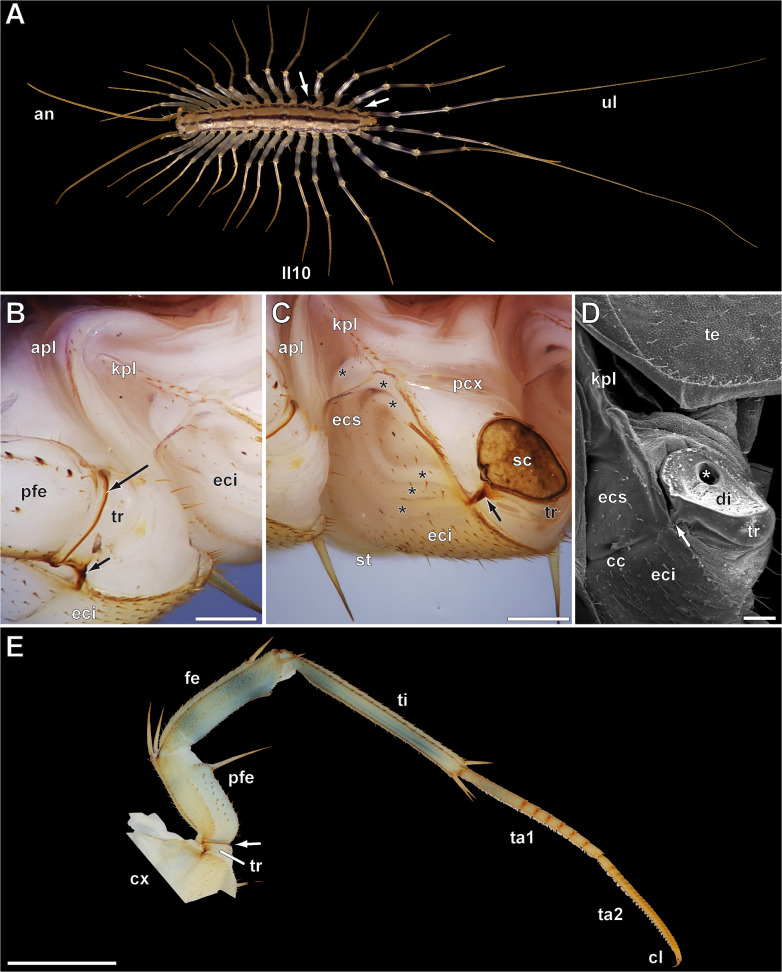 Figure 1
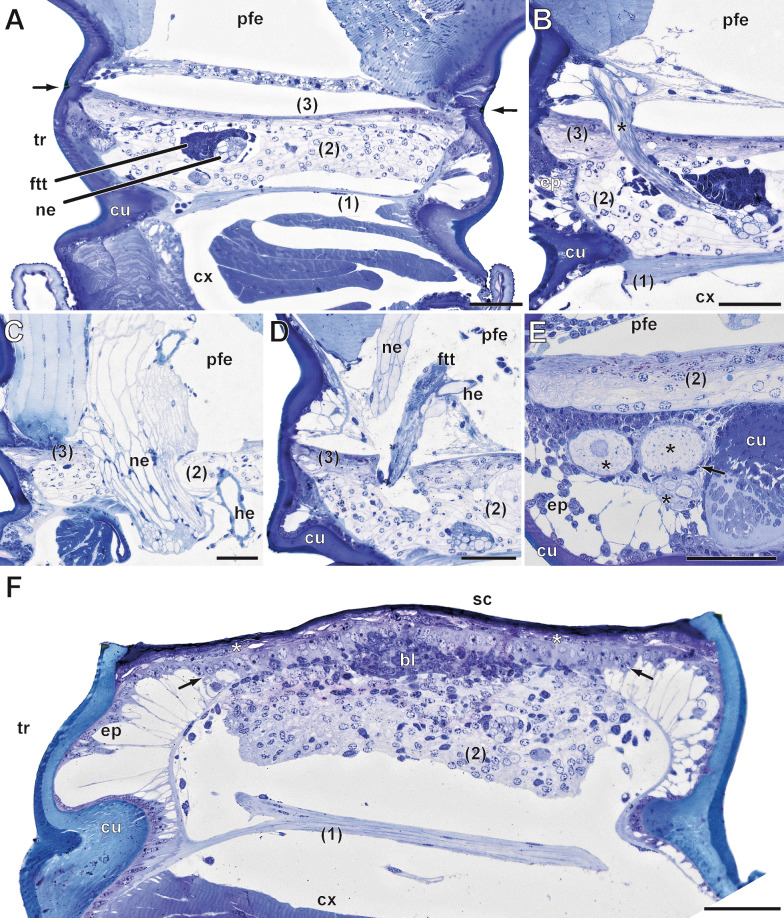 Figure 2
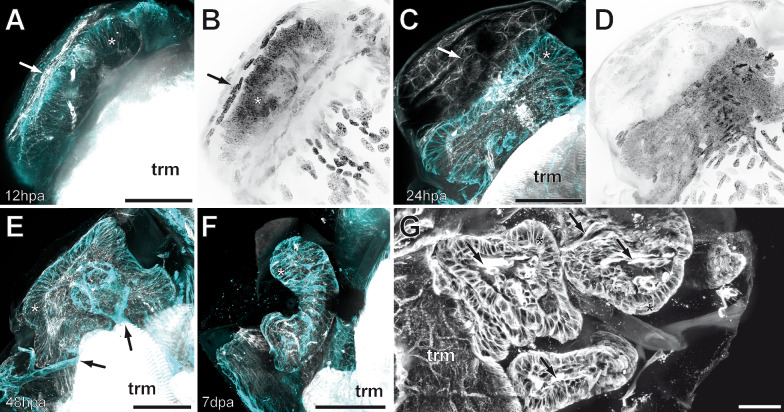 Figure 3
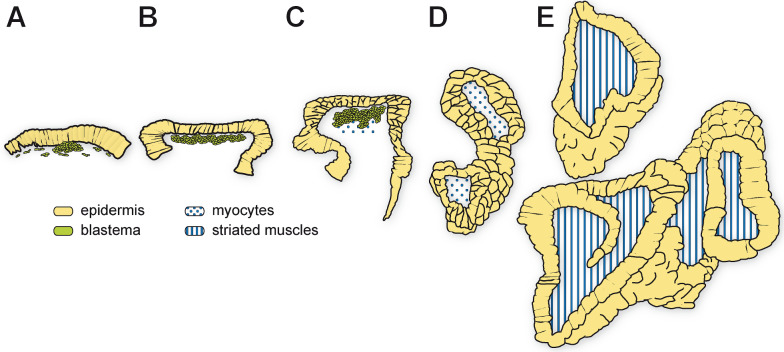 Figure 4
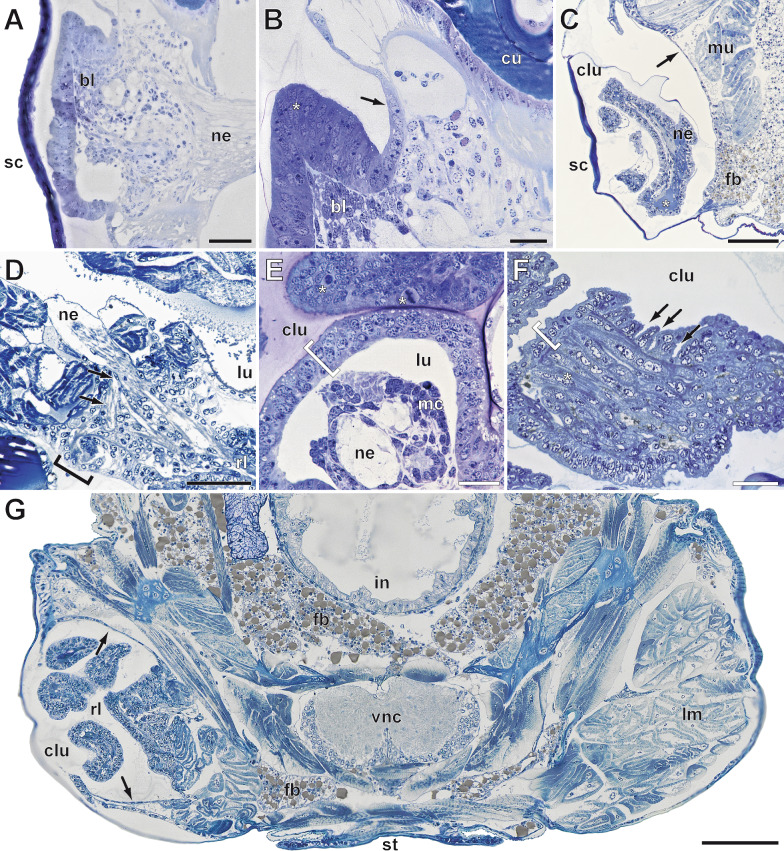 Figure 5
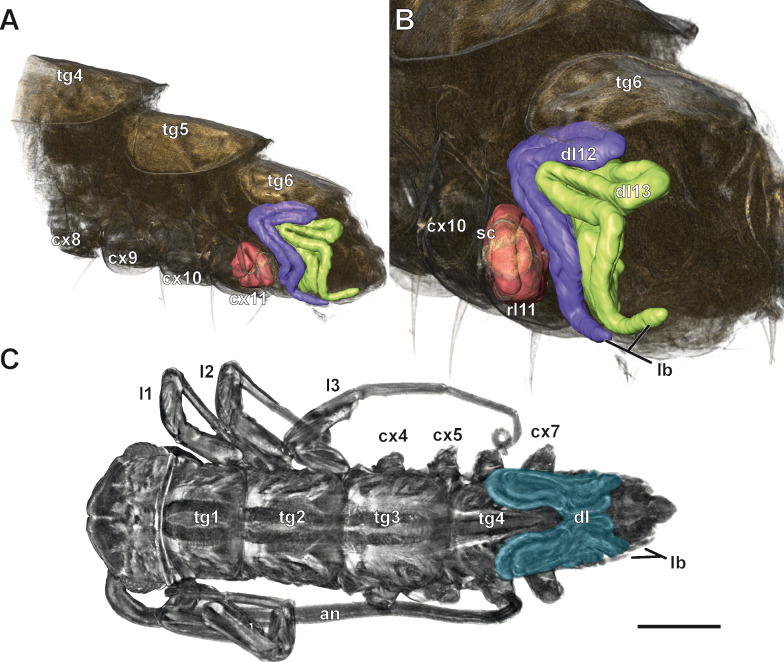 Figure 6
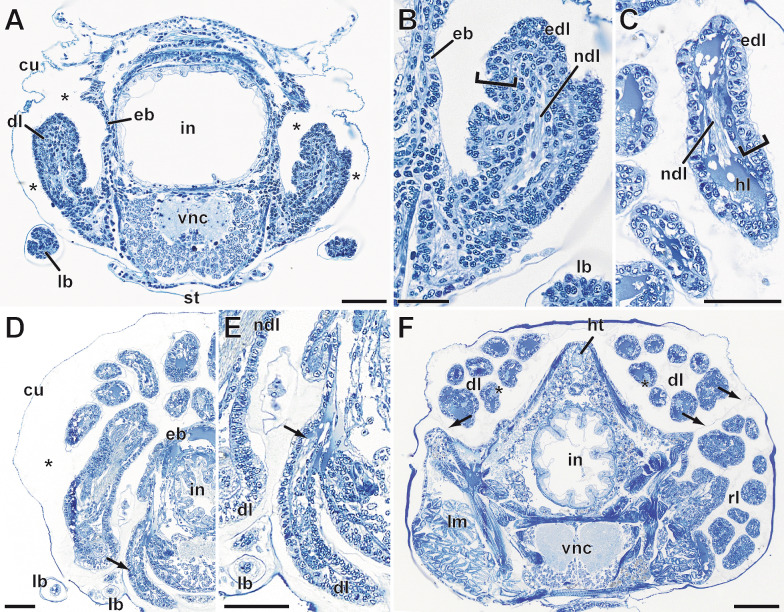 Figure 7
Peer Reviews
No public reviews on file for this paper yet. If you reviewed it on a platform where reviews are public (OpenReview, ICLR, NeurIPS, ICML), you can paste yours below so the community can read it here.
Videos
No videos yet. Explain this paper in a talk, walkthrough, or lecture? Add one.
Taxonomy
TopicsInsect and Arachnid Ecology and Behavior · Neurobiology and Insect Physiology Research · Hemiptera Insect Studies