Delayed Shift in Microbiota Composition in a Marine Microcosm Pollution Experiment
Luis Yndy Ariem Ramirez, Inga Leena Angell, Tonje Nilsen, Knut Rudi

TL;DR
This study shows that pollution with nitrate and sulfate causes delayed changes in marine microbial communities, which could be missed in natural ecosystems.
Contribution
The study reveals delayed abrupt shifts in microbiota composition following pollution, resembling tipping points in marine ecosystems.
Findings
Nitrate addition caused a threefold reduction in species richness and dominance of Pseudarchobacter.
Sulphate addition led to a weaker but delayed shift towards spore-forming Firmicutes.
DNRA increased in oxic conditions, suggesting a shift in nitrogen metabolism.
Abstract
Benthic habitats are the largest habitats on Earth, being essential for marine ecosystem functioning. Benthic habitats are particularly vulnerable towards pollution and anthropogenetic influence due to general oligotrophic nature. We, therefore, simulated pollution events involving nitrate and sulphate, in combination with organic carbon. We then observed the microbiota composition the following month. Surprisingly, upon nitrate addition, an abrupt response was observed between two and three weeks after the pollution event. We observed a threefold reduction in species richness, with a dominance of the genus Pseudarchobacter within the Campylobacteriota phylum, concurring with a decrease in nitrification potential and an increase in Dissimilatory Nitrate Reduction to Ammonium (DNRA) and a regain in denitrification. Likewise, addition of sulphate contributed to a delayed response with…
Genes, proteins, chemicals, diseases, species, mutations and cell lines named across the full text — each resolved to its canonical identifier and authoritative record.
Click any figure to enlarge with its caption.
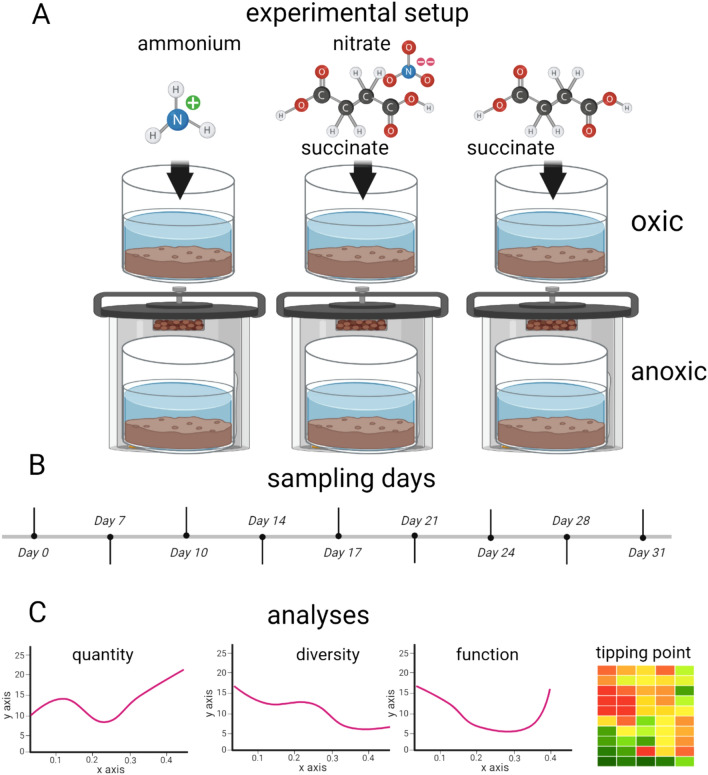 Figure 1
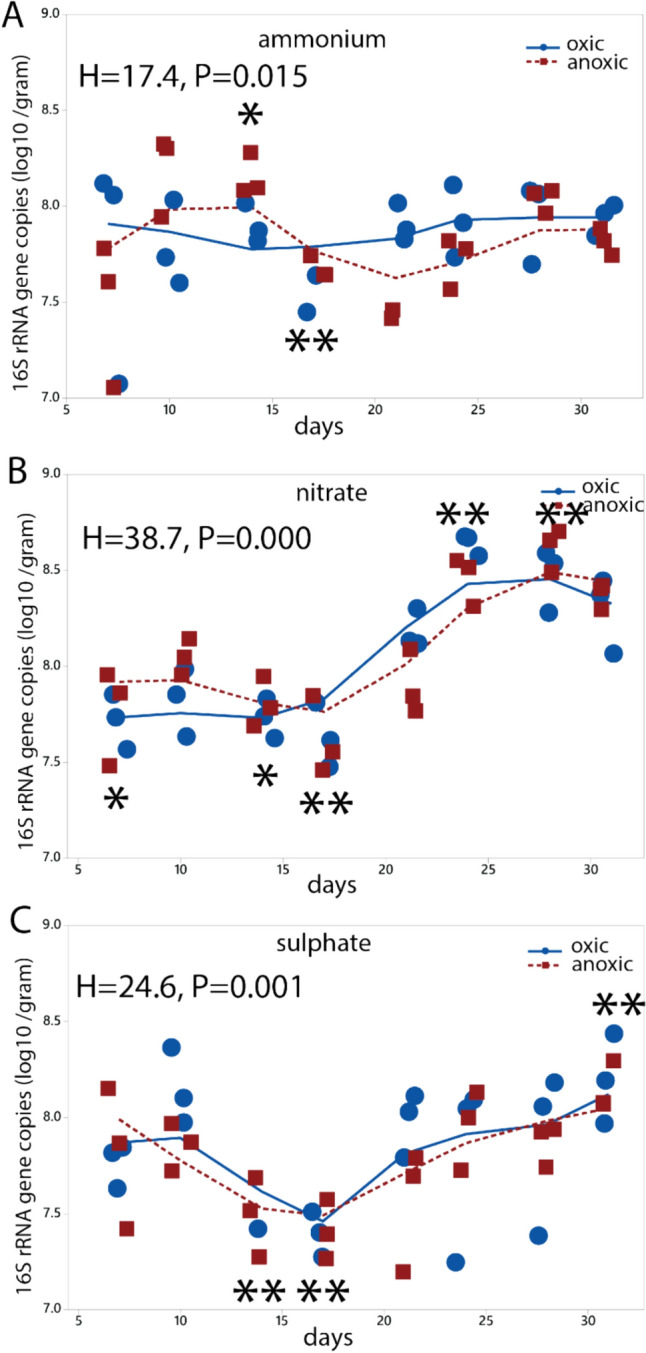 Figure 2
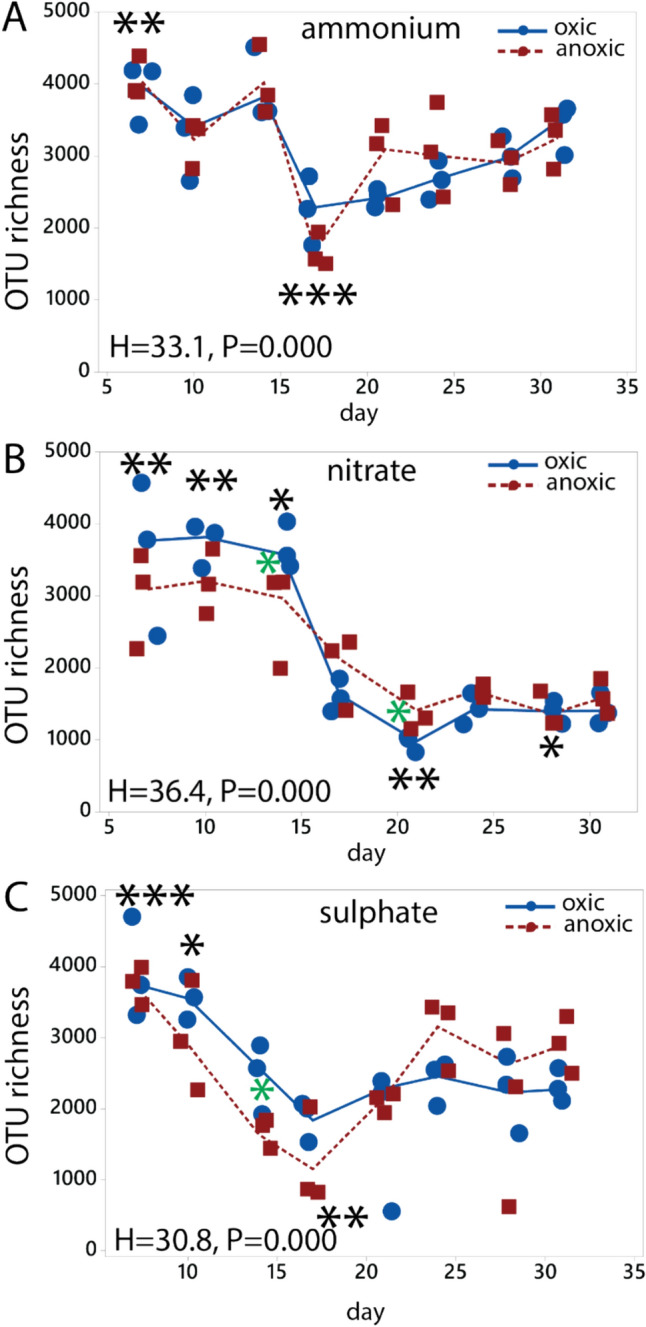 Figure 3
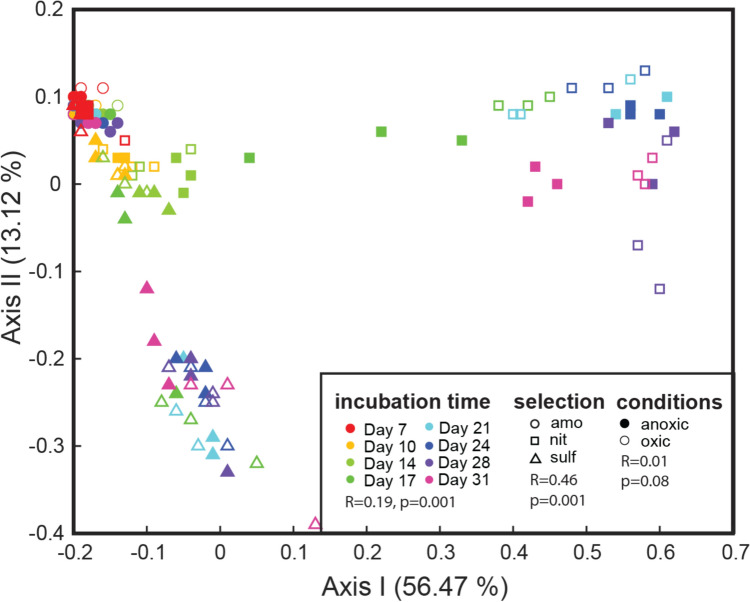 Figure 4
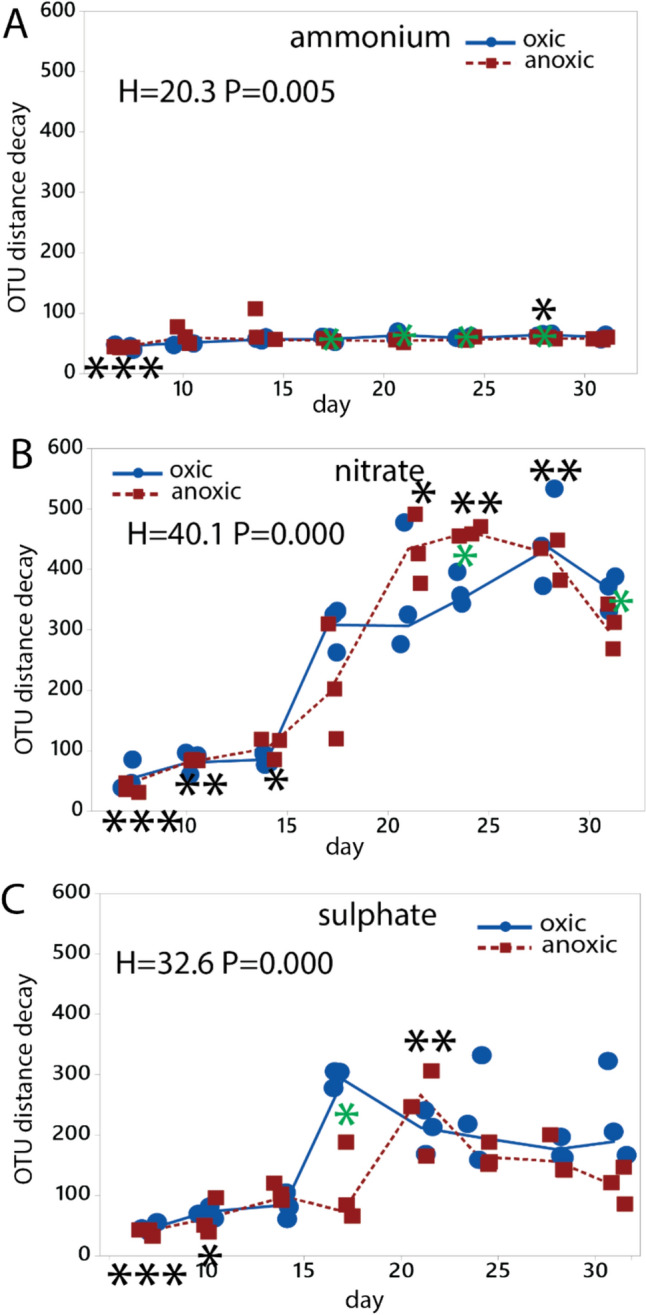 Figure 5
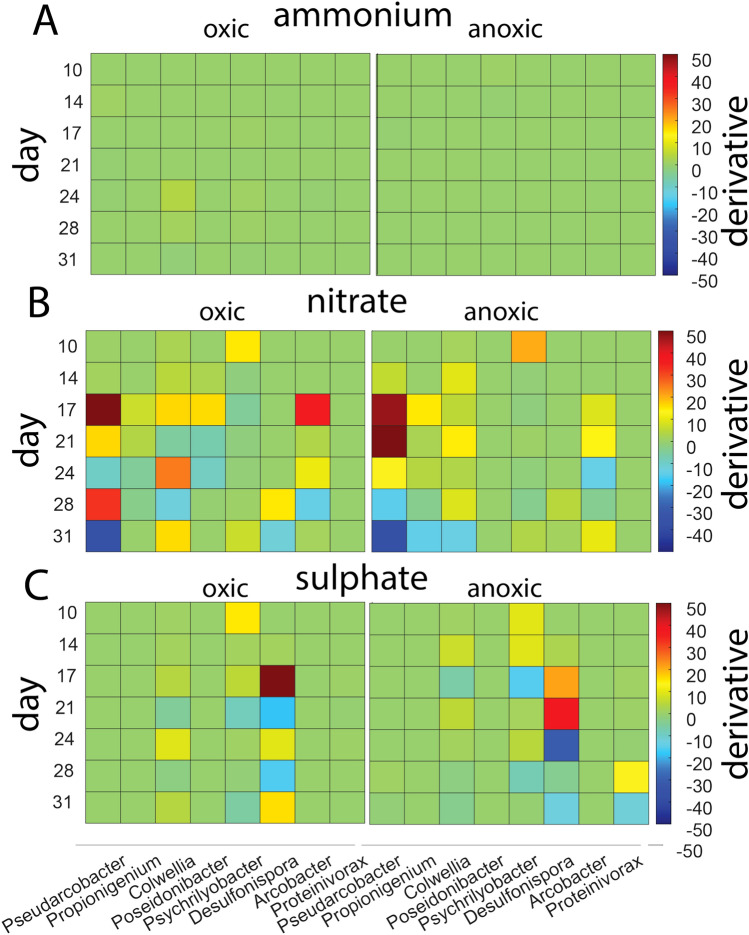 Figure 6
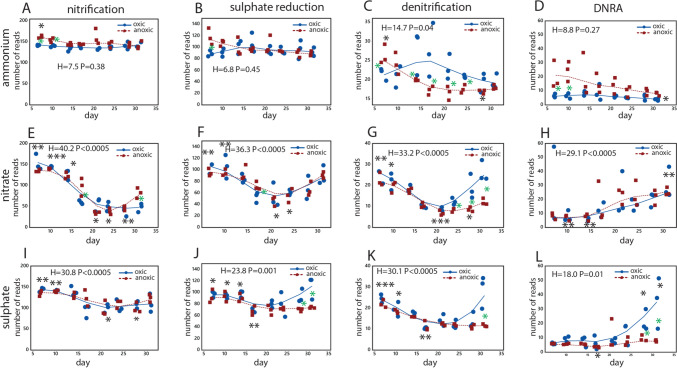 Figure 7
Peer Reviews
No public reviews on file for this paper yet. If you reviewed it on a platform where reviews are public (OpenReview, ICLR, NeurIPS, ICML), you can paste yours below so the community can read it here.
Videos
No videos yet. Explain this paper in a talk, walkthrough, or lecture? Add one.
Taxonomy
TopicsMicrobial Community Ecology and Physiology · Environmental DNA in Biodiversity Studies · Microplastics and Plastic Pollution