Surgical Management of Penile Calciphylaxis Without Penectomy
Nader Shah, Jay Xiong, Haider Shah

TL;DR
This paper presents a rare case of penile calciphylaxis managed conservatively with wound care and antibiotics instead of surgery.
Contribution
The novelty lies in the successful non-surgical management of penile calciphylaxis, a condition typically requiring amputation.
Findings
Penile calciphylaxis was managed without penectomy using wound debridement and antibiotics.
The patient had a history of end-stage renal disease, diabetes, and hypertension, common risk factors for calciphylaxis.
Conservative treatment was accepted by the patient and avoided major surgery.
Abstract
Calciphylaxis, a rare and life-threatening condition, involves the calcification and occlusion of microvasculature, leading to tissue ischemia and necrosis. The pathophysiology of calciphylaxis remains complex, but it is often associated with derangements in calcium and phosphate metabolism, ultimately resulting in the deposition of calcium within small blood vessels. This process leads to compromised blood flow, tissue hypoxia, and subsequent skin necrosis and ulceration, often with catastrophic consequences. While calciphylaxis typically occurs in individuals with end-stage renal disease (uremic calciphylaxis), it can also afflict those without renal impairment (non-uremic calciphylaxis). Several risk factors predispose individuals to this condition, including diabetes mellitus, hyperparathyroidism, malignancies, warfarin-based anticoagulation, alcoholic liver disease, and autoimmune…
Genes, proteins, chemicals, diseases, species, mutations and cell lines named across the full text — each resolved to its canonical identifier and authoritative record.
Click any figure to enlarge with its caption.
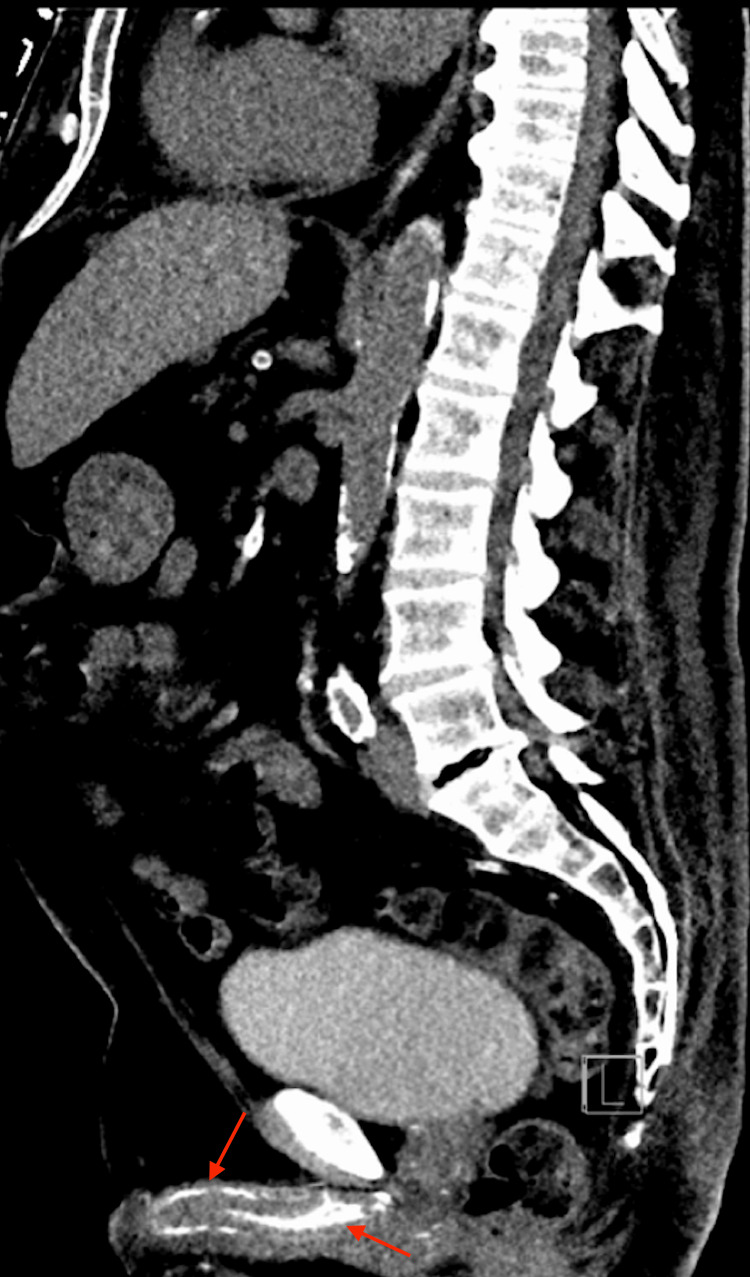 Figure 1
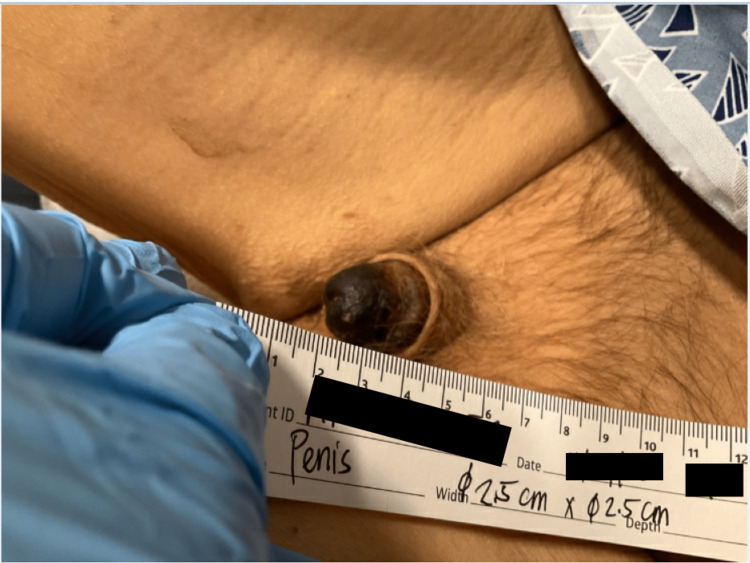 Figure 2
Peer Reviews
No public reviews on file for this paper yet. If you reviewed it on a platform where reviews are public (OpenReview, ICLR, NeurIPS, ICML), you can paste yours below so the community can read it here.
Videos
No videos yet. Explain this paper in a talk, walkthrough, or lecture? Add one.
Taxonomy
TopicsSexual function and dysfunction studies · Parathyroid Disorders and Treatments · Muscle and Compartmental Disorders