Molecular epidemiology and carbapenem resistance mechanisms of Pseudomonas aeruginosa isolated from a hospital in Fujian, China
Xueqin Xie, Zhou Liu, Jingyan Huang, Xueting Wang, Yuting Tian, Pinying Xu, Gangsen Zheng

TL;DR
This study investigates carbapenem-resistant Pseudomonas aeruginosa in a Chinese hospital, revealing high antibiotic resistance and diverse genetic strains.
Contribution
The study identifies molecular epidemiology and resistance mechanisms of CRPA in Fujian, China, including high-risk clones and resistance traits.
Findings
CRPA isolates were highly diverse, belonging to 46 different sequence types, including high-risk clones ST1971 and ST357.
Most CRPA isolates showed mutations in porins oprD and opdP, and increased biofilm formation and efflux pump gene expression.
Metallo-β-lactamase and co-carriage of carbapenemase genes were common resistance mechanisms in CRPA isolates.
Abstract
The worldwide spread of Pseudomonas aeruginosa, especially carbapenem-resistant P. aeruginosa (CRPA), poses a serious threat to global public health. In this research, we collected and studied the clinical prevalence, molecular epidemiology, and resistance mechanisms of CRPA in Fujian, China. Among 167 non-duplicated P. aeruginosa isolates collected during 2019–2021, strains from respiratory specimens and wound secretions of older males in the intensive care unit dominated. Ninety-eight isolates (58.7 %) were resistant to at least one tested antibiotic, among which 70 strains were carbapenem-resistant. Moleclar typing of the CRPA isolates revealed they were highly divergent, belonging to 46 different sequence types. It is noteworthy that two previously reported high risk clones, ST1971 specific to China and the globally prevalent ST357, were found. Several carbapenem resistance-related…
Genes, proteins, chemicals, diseases, species, mutations and cell lines named across the full text — each resolved to its canonical identifier and authoritative record.
Click any figure to enlarge with its caption.
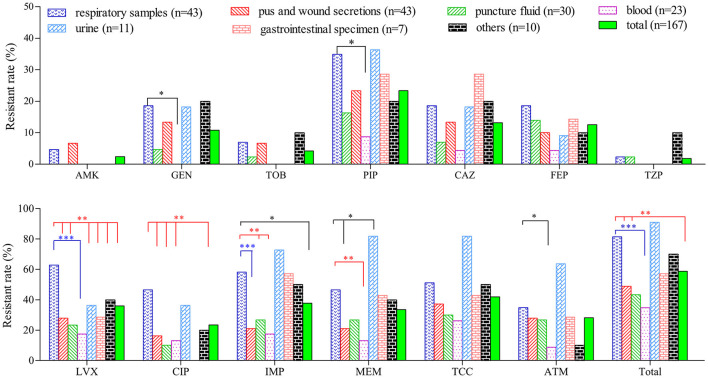 Figure 1
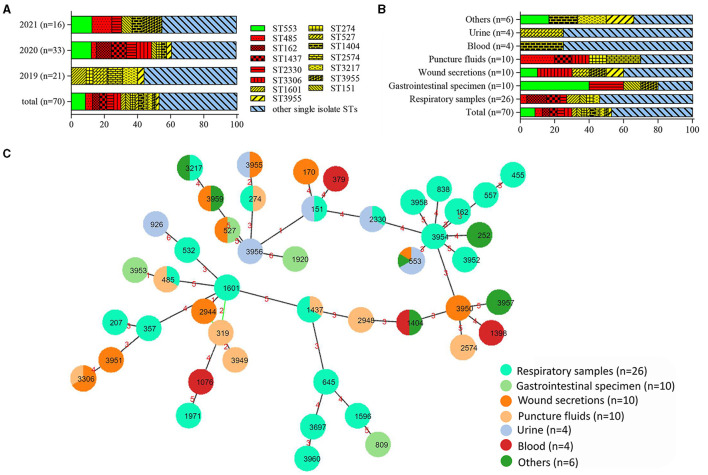 Figure 2
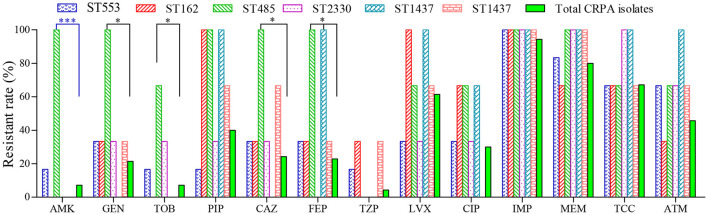 Figure 3
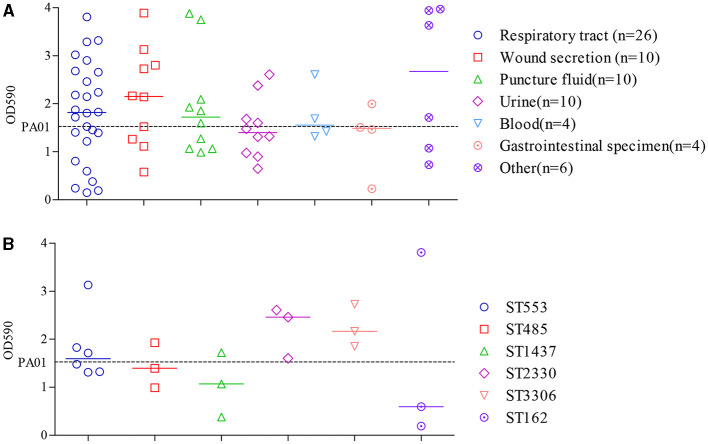 Figure 4
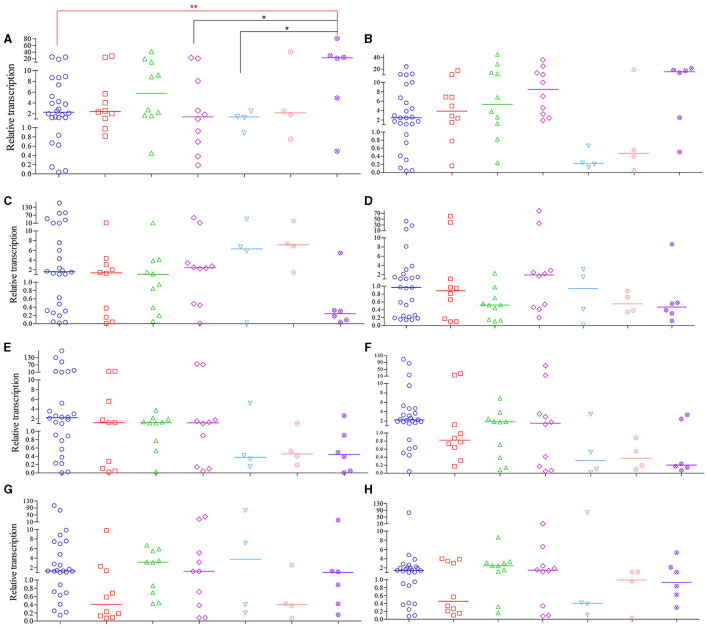 Figure 5
Peer Reviews
No public reviews on file for this paper yet. If you reviewed it on a platform where reviews are public (OpenReview, ICLR, NeurIPS, ICML), you can paste yours below so the community can read it here.
Videos
No videos yet. Explain this paper in a talk, walkthrough, or lecture? Add one.
Taxonomy
TopicsSpanish Literature and Culture Studies · History of Education in Spain · Media, Journalism, and Communication History