Edema of the Scrotum and Penile Shaft: An Uncommon Initial Presentation of Acquired Angioedema With Low C1-Inhibitor
Meghan V. Matheny, Timothy Craig, Joseph Y. Clark

TL;DR
A rare case of acquired angioedema with low C1-inhibitor presented as swelling in the scrotum and penis, highlighting the importance of accurate diagnosis.
Contribution
This case report highlights an uncommon initial presentation of AAE-C1-INH and emphasizes the need for proper diagnosis to avoid complications.
Findings
A 79-year-old patient presented with painless swelling in the scrotum, penile shaft, and extremities.
Lab values confirmed acquired angioedema without lymphoreticular or rheumatic disorders.
Proper diagnosis is crucial to prevent airway compromise and ensure appropriate treatment.
Abstract
Acquired angioedema with low C1-inhibitor (AAE-C1-INH) is a rare disorder characterized by an acquired deficiency in the C1 esterase inhibitor (C1-INH). This case report describes a 79-year-old patient presenting to the emergency department for painless swelling of his scrotum, penile shaft, and left lower and upper extremities with lab values consistent with acquired angioedema without identifiable lymphoreticular or rheumatic disorder on history, exam, or total body PET scan. Proper diagnosis of AAE-C1-INH is essential to prevent life-threatening airway compromise, ensure proper therapy, and exclude lymphoreticular disorders as the etiology of AAE-C1-INH.
Genes, proteins, chemicals, diseases, species, mutations and cell lines named across the full text — each resolved to its canonical identifier and authoritative record.
Click any figure to enlarge with its caption.
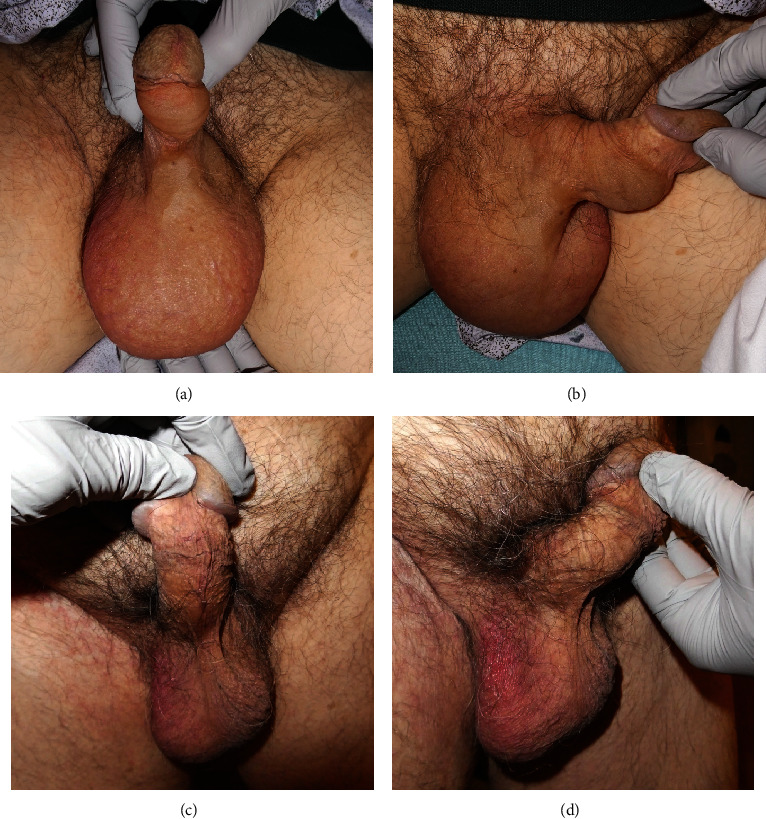 Figure 1
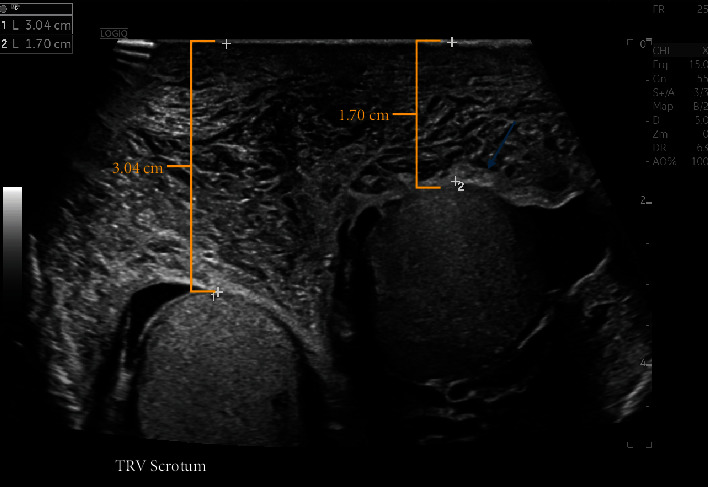 Figure 2
Peer Reviews
No public reviews on file for this paper yet. If you reviewed it on a platform where reviews are public (OpenReview, ICLR, NeurIPS, ICML), you can paste yours below so the community can read it here.
Videos
No videos yet. Explain this paper in a talk, walkthrough, or lecture? Add one.
Taxonomy
TopicsCoagulation, Bradykinin, Polyphosphates, and Angioedema · Autoimmune Bullous Skin Diseases · Urticaria and Related Conditions