Cortical mechanisms of across-ear speech integration investigated using functional near-infrared spectroscopy (fNIRS)
Gabriel G. Sobczak, Xin Zhou, Liberty E. Moore, Daniel M. Bolt, Ruth Y. Litovsky, Noman Naseer, Noman Naseer, Noman Naseer, Noman Naseer

TL;DR
This study explores how the brain integrates speech heard in both ears, using a special imaging technique to compare normal hearing and simulated hearing loss conditions.
Contribution
The study introduces a novel use of fNIRS to investigate cortical mechanisms of across-ear speech integration under simulated cochlear implant conditions.
Findings
The V-shaped speech intelligibility function was only observed in the bilateral cochlear implant condition.
Cortical activity in auditory and prefrontal regions varied significantly with alternating speech rates in normal hearing but not in simulated implant conditions.
Degraded speech in one or both ears altered integration strategies, as reflected in distinct cortical activity patterns.
Abstract
This study aimed to investigate integration of alternating speech, a stimulus which classically produces a V-shaped speech intelligibility function with minimum at 2–6 Hz in typical-hearing (TH) listeners. We further studied how degraded speech impacts intelligibility across alternating rates (2, 4, 8, and 32 Hz) using vocoded speech, either in the right ear or bilaterally, to simulate single-sided deafness with a cochlear implant (SSD-CI) and bilateral CIs (BiCI), respectively. To assess potential cortical signatures of across-ear integration, we recorded activity in the bilateral auditory cortices (AC) and dorsolateral prefrontal cortices (DLPFC) during the task using functional near-infrared spectroscopy (fNIRS). For speech intelligibility, the V-shaped function was reproduced only in the BiCI condition; TH (with ceiling scores) and SSD-CI conditions had significantly higher scores…
Genes, proteins, chemicals, diseases, species, mutations and cell lines named across the full text — each resolved to its canonical identifier and authoritative record.
Click any figure to enlarge with its caption.
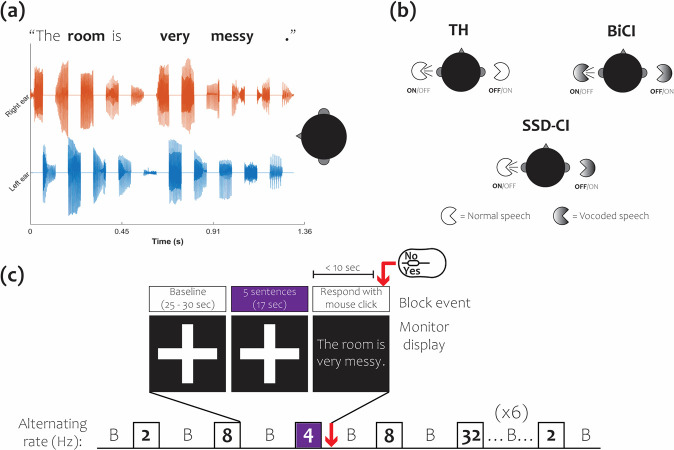 Figure 1
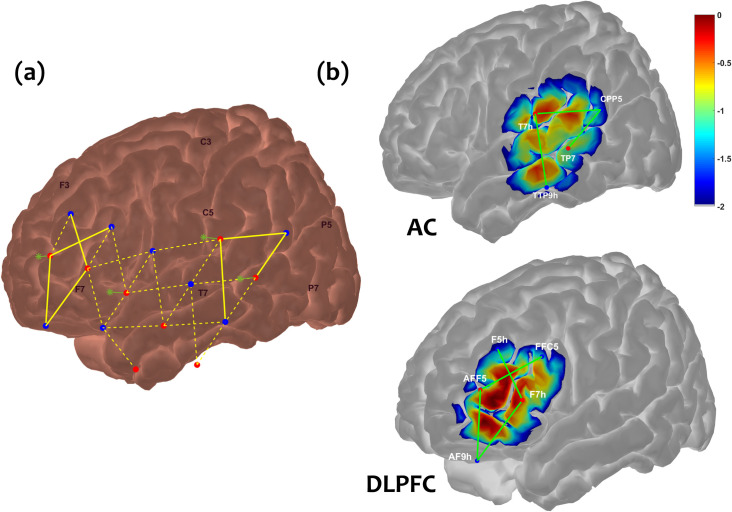 Figure 2
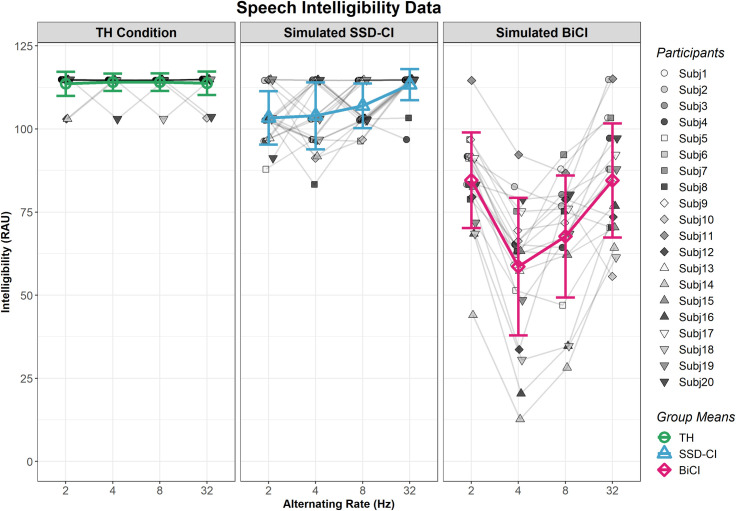 Figure 3
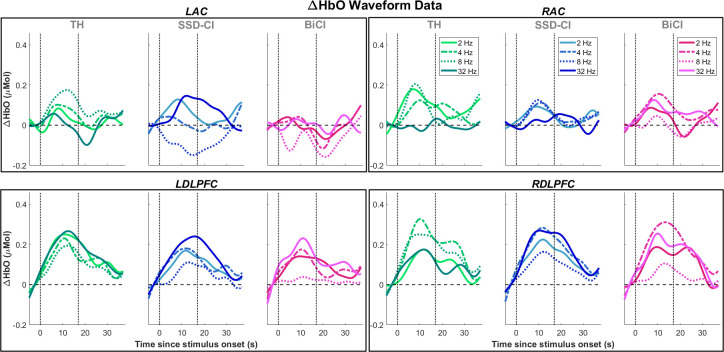 Figure 4
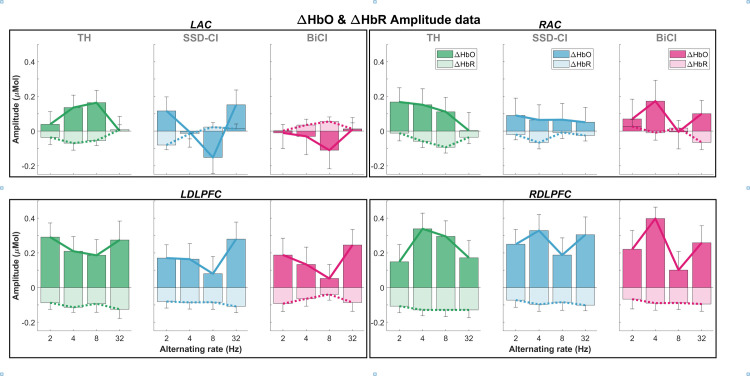 Figure 5
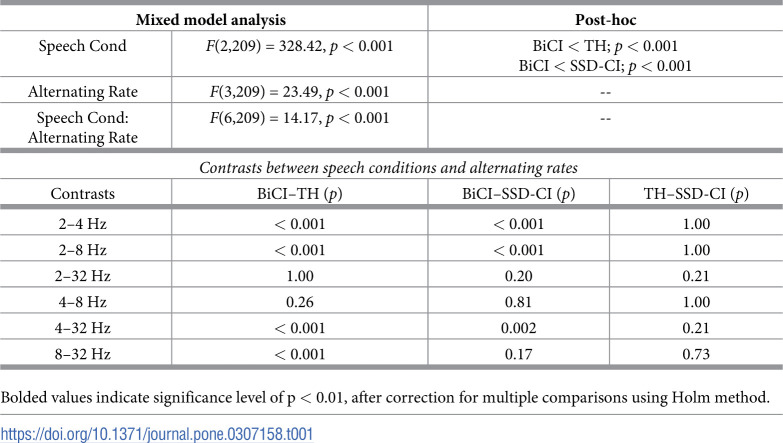 Figure 6
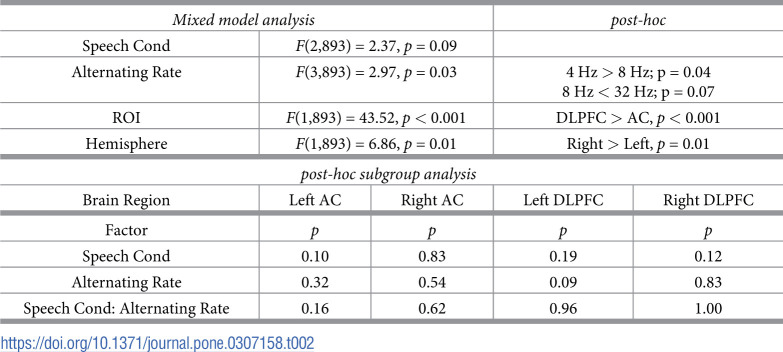 Figure 7
Peer Reviews
No public reviews on file for this paper yet. If you reviewed it on a platform where reviews are public (OpenReview, ICLR, NeurIPS, ICML), you can paste yours below so the community can read it here.
Videos
No videos yet. Explain this paper in a talk, walkthrough, or lecture? Add one.
Taxonomy
TopicsAdvanced Chemical Sensor Technologies · Hearing Loss and Rehabilitation · Optical Imaging and Spectroscopy Techniques