Effects of acute stress on biological motion perception
Jifu Wang, Fang Shi, Lin Yu, Alessandro Mengarelli, Alessandro Mengarelli, Alessandro Mengarelli

TL;DR
This study shows how acute stress affects how people perceive human movement, with changes in brain activity and reaction times.
Contribution
The study identifies specific ERP features and cognitive changes caused by acute stress during biological motion perception.
Findings
Stress reduced reaction time and altered early brain responses during biological motion perception.
The 'inversion effect' in perception was not influenced by acute stress.
Stress changed attention allocation and inhibition in later stages of perception processing.
Abstract
Biological motion perception is an essential part of the cognitive process. Stress can affect the cognitive process. The present study explored the intrinsic ERP features of the effects of acute psychological stress on biological motion perception. The results contributed scientific evidence for the adaptive behavior changes under acute stress. After a mental arithmetic task was used to induce stress, the paradigm of point-light displays was used to evaluate biological motion perception. Longer reaction time and lower accuracy were found in the inverted walking condition than in the upright walking condition, which was called the "inversion effect". The P2 peak amplitude and the LPP mean amplitude were significantly higher in the local inverted perception than in the local upright walking condition. Compared to the control condition, the stress condition induced lower RT, shorter P1…
Genes, proteins, chemicals, diseases, species, mutations and cell lines named across the full text — each resolved to its canonical identifier and authoritative record.
Click any figure to enlarge with its caption.
 Figure 1
 Figure 2
 Figure 3
 Figure 4
 Figure 5
 Figure 6
 Figure 7
 Figure 8
 Figure 9
 Figure 10
 Figure 11
 Figure 12
 Figure 13
 Figure 14
 Figure 15
 Figure 16
 Figure 17
 Figure 18
 Figure 19
 Figure 20
 Figure 21
 Figure 22
 Figure 23
 Figure 24
 Figure 25
 Figure 26
 Figure 27
 Figure 28
 Figure 29
 Figure 30
 Figure 31
 Figure 32
 Figure 33
 Figure 34
 Figure 35
 Figure 36
 Figure 37
 Figure 38
 Figure 39
 Figure 40
 Figure 41
 Figure 42
 Figure 43
 Figure 44
 Figure 45
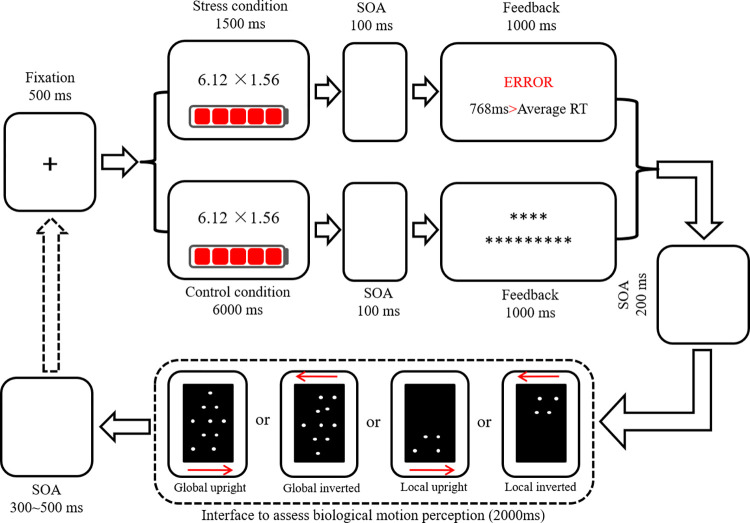 Figure 46
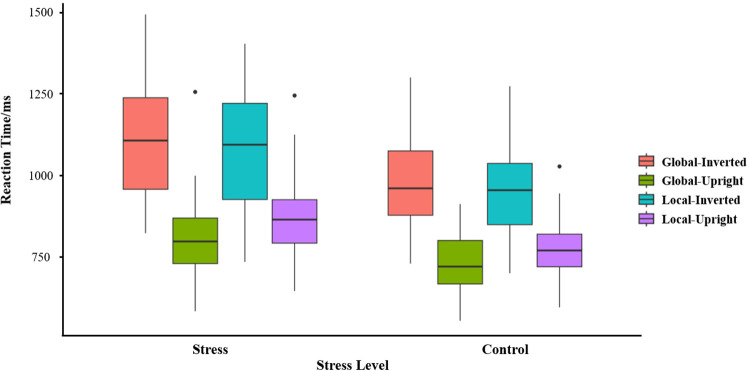 Figure 47
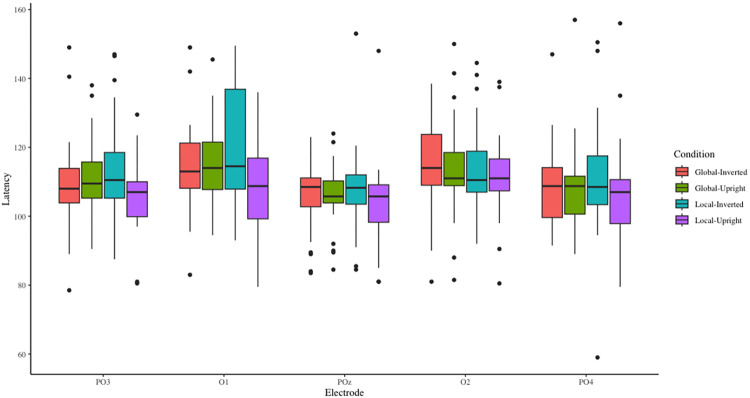 Figure 48
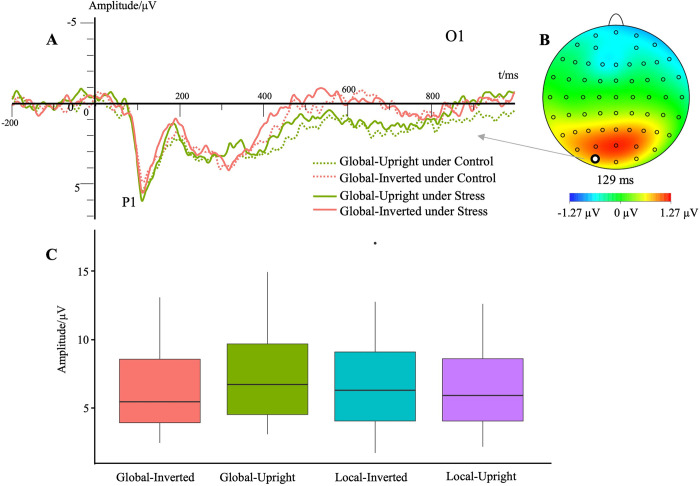 Figure 49
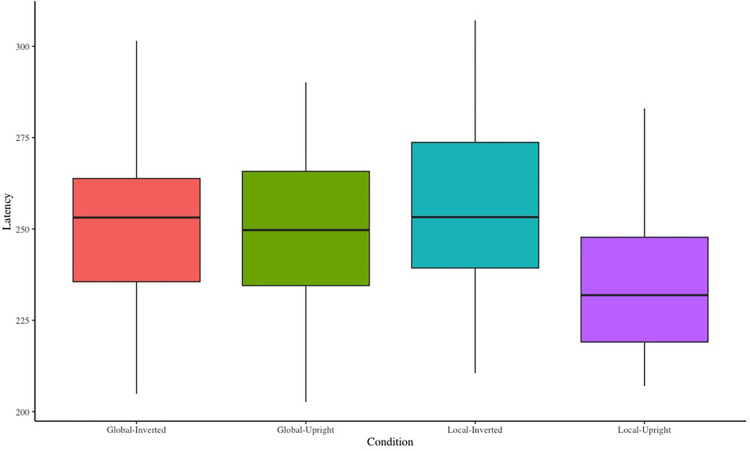 Figure 50
Peer Reviews
No public reviews on file for this paper yet. If you reviewed it on a platform where reviews are public (OpenReview, ICLR, NeurIPS, ICML), you can paste yours below so the community can read it here.
Videos
No videos yet. Explain this paper in a talk, walkthrough, or lecture? Add one.
Taxonomy
TopicsAction Observation and Synchronization · Visual perception and processing mechanisms · Neural and Behavioral Psychology Studies