Complex Neurological Sequelae: Axonal Guillain-Barré Syndrome Post COVID-19 in a Young Patient
Anam Umar, Amber E Faquih, Bilal Jawed, Muhammad Bilal

TL;DR
A 46-year-old woman developed a rare and severe nerve disorder after a mild case of COVID-19, showing the need for specialized care and accurate diagnosis.
Contribution
This case highlights the diagnostic and therapeutic challenges of axonal Guillain-Barré Syndrome following mild COVID-19.
Findings
Axonal Guillain-Barré Syndrome can occur after mild COVID-19 infections.
The condition presents with severe muscle weakness and sensory deficits.
Multidisciplinary care is crucial for managing this rare neurological complication.
Abstract
Guillain-Barré syndrome (GBS) encompasses a spectrum of immune-mediated neuropathies, with axonal GBS representing a less common yet often severe subtype. This variant directly damages peripheral nerve axons, resulting in rapid and profound muscle weakness and sensory deficits. Axonal GBS has similar clinical features to the demyelinating form but is generally more severe with a less favorable prognosis. Here, we present a case of axonal GBS in a 46-year-old female following a mild COVID-19 infection, highlighting the diagnostic challenges and the importance of tailored therapeutic approaches and multidisciplinary care in managing this condition.
Genes, proteins, chemicals, diseases, species, mutations and cell lines named across the full text — each resolved to its canonical identifier and authoritative record.
Click any figure to enlarge with its caption.
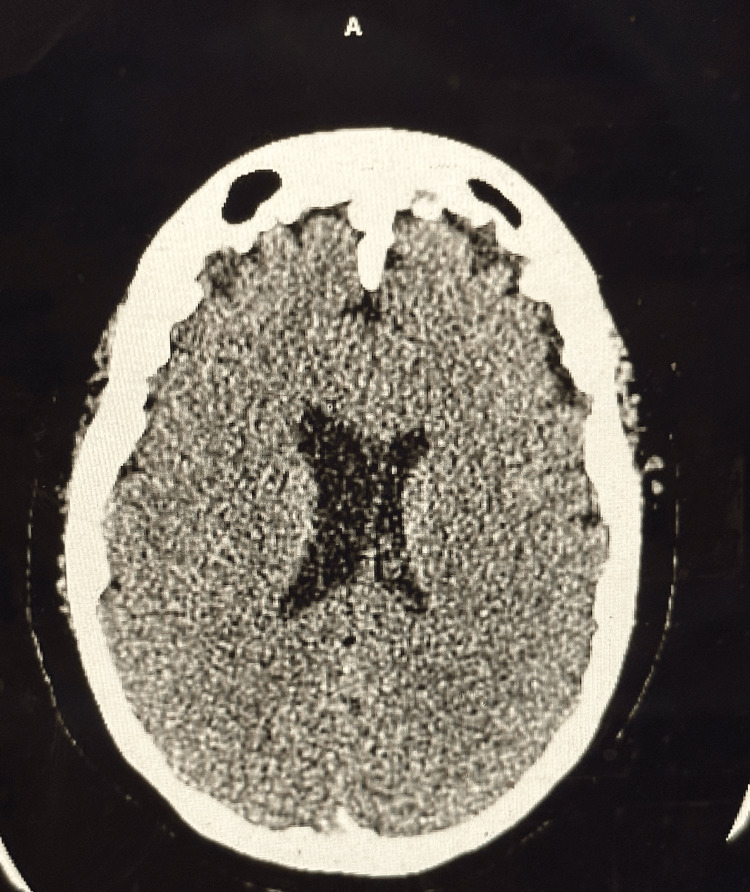 Figure 1
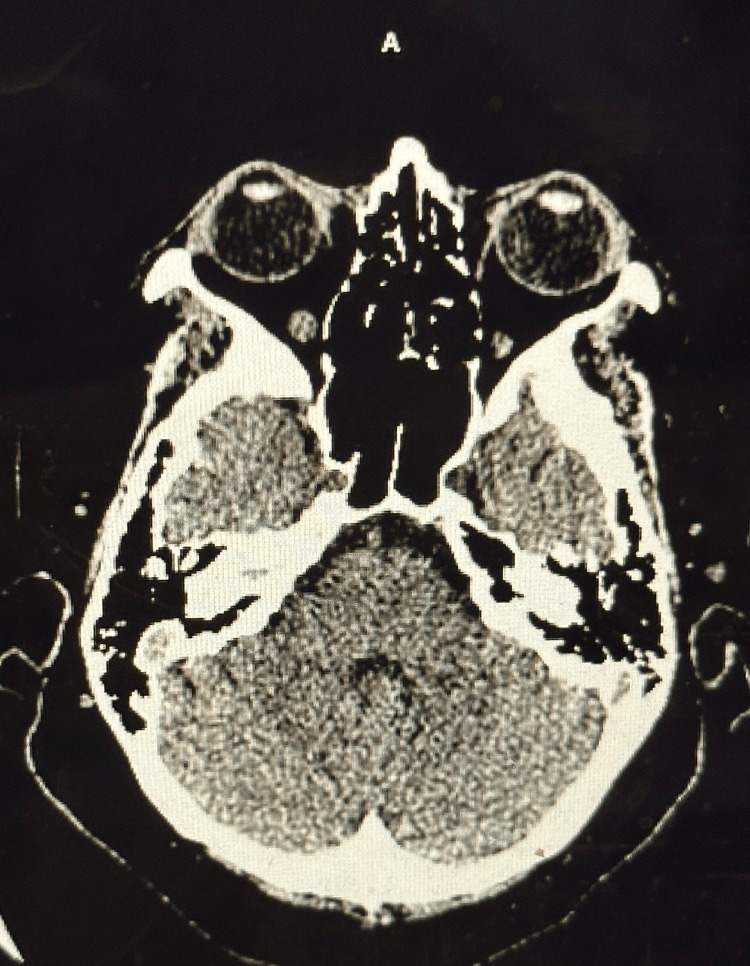 Figure 2
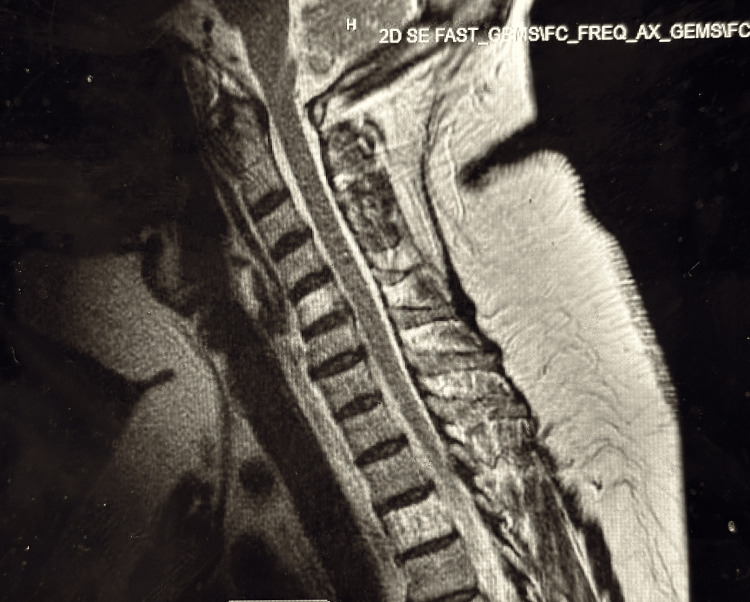 Figure 3
Peer Reviews
No public reviews on file for this paper yet. If you reviewed it on a platform where reviews are public (OpenReview, ICLR, NeurIPS, ICML), you can paste yours below so the community can read it here.
Videos
No videos yet. Explain this paper in a talk, walkthrough, or lecture? Add one.
Taxonomy
TopicsPeripheral Neuropathies and Disorders · Long-Term Effects of COVID-19 · Pain Mechanisms and Treatments