Gradient Boosting Prediction of Overlapping Genes From Weighted Co-expression and Differential Gene Expression Analysis of Wnt Pathway: An Artificial Intelligence-Based Bioinformatics Study
Pradeep Kumar Yadalam, Ramya R, Raghavendra Vamsi Anegundi

TL;DR
This study uses machine learning to predict overlapping genes in the Wnt signaling pathway, which is important for bone formation and cell regulation.
Contribution
The novel approach combines gradient boosting with co-expression and differential gene analysis to predict overlapping genes in the Wnt pathway.
Findings
Gradient boosting achieved 78.9% accuracy in predicting overlapping genes in the Wnt pathway.
The model showed high precision but low recall, indicating accurate predictions but missing some true positives.
WGCNA and differential expression analysis helped identify key gene clusters and hub genes related to Wnt signaling.
Abstract
Introduction The Wnt (wingless-related integration site) signalling pathway is crucial for bone formation and remodelling, regulating the commitment of mesenchymal stem cells (MSCs) to the osteoblastic lineage. It triggers the transcriptional activation of Wnt target genes and promotes osteoblast proliferation and survival. Weighted co-expression network analysis (WGCNA) and differential gene expression analysis help researchers understand gene roles. Gradient boosting, a machine learning technique, enhances understanding of genetic and molecular mechanisms contributing to overlap genes, improving gene regulation and functional genomics. The aim is to predict overlapping genes in the Wnt signalling pathway. Methods Differential gene expression analysis was performed using the National Center for Biotechnology Information (NCBI) geo dataset-GSE251951, focusing on the effect of Wnt…
Genes, proteins, chemicals, diseases, species, mutations and cell lines named across the full text — each resolved to its canonical identifier and authoritative record.
Click any figure to enlarge with its caption.
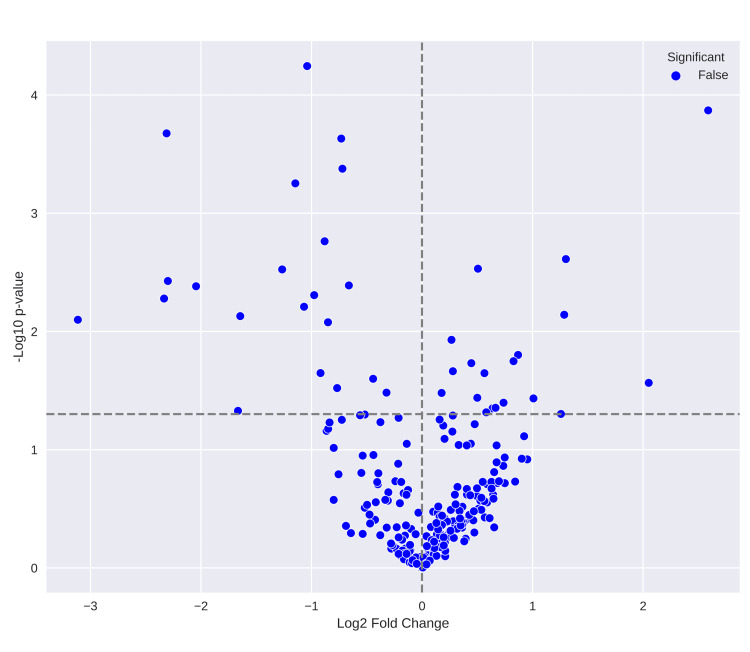 Figure 1
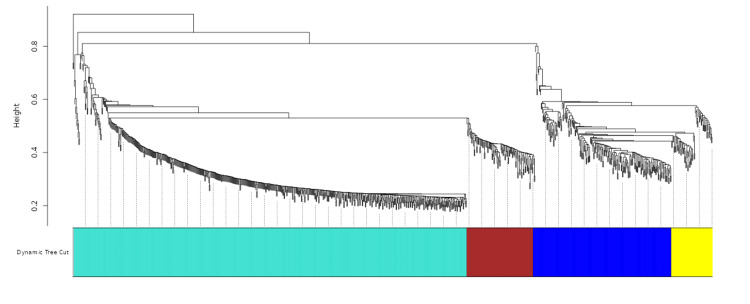 Figure 2
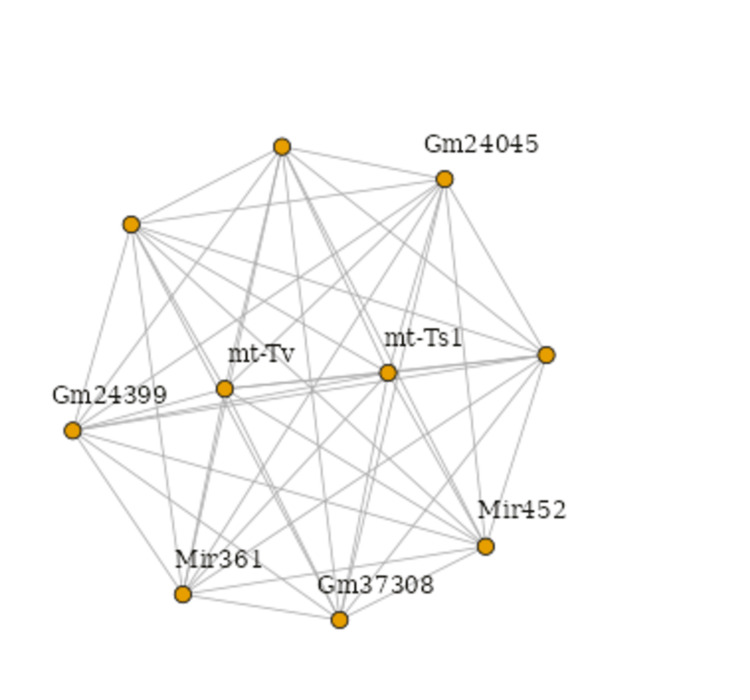 Figure 3
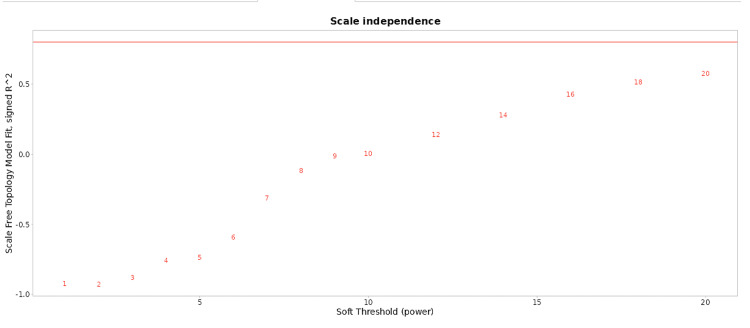 Figure 4
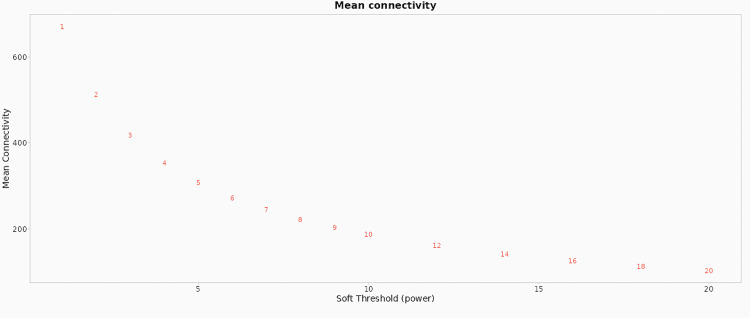 Figure 5
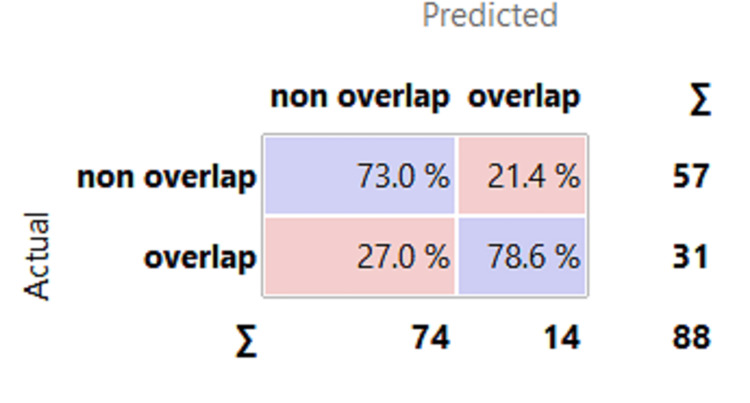 Figure 6
Peer Reviews
No public reviews on file for this paper yet. If you reviewed it on a platform where reviews are public (OpenReview, ICLR, NeurIPS, ICML), you can paste yours below so the community can read it here.
Videos
No videos yet. Explain this paper in a talk, walkthrough, or lecture? Add one.
Taxonomy
TopicsEpigenetics and DNA Methylation · Kruppel-like factors research · Bioinformatics and Genomic Networks