Protein folding, protein dynamics and the topology of self-motions
Steven Hayward

TL;DR
This paper explores how protein segments move by applying robotics concepts, showing how their structure changes based on topology.
Contribution
The paper introduces the application of co-regular surfaces and homotopy to understand protein segment dynamics and folding.
Findings
As protein segment ends come closer, crossing a co-regular surface locks the structure into specific turn types.
Type II turns are topologically equivalent to type I′ turns, not type I.
These findings impact understanding of protein folding and dynamics.
Abstract
It has long been recognized that segments of the protein main chain are like robotic manipulators and inverse kinematics methods from robotics have been applied to model loops to bridge gaps in protein comparative modelling. The complex internal motion of a redundant manipulator with fixed ends is called a self-motion and its character is determined by the relative position of its ends. Self-motions that are topologically equivalent (homotopic) occupy the same continous region of the configuration space. Topologically inequivalent (non-homotopic) regions are separated by co-regular surfaces and crossing a co-regular surface can result in a sudden dramatic change in the character of the self-motion. It is shown, using a five-residue type I β-turn, that these concepts apply to protein segments and that as the ends of the five-residue segment come closer together, a co-regular surface is…
Genes, proteins, chemicals, diseases, species, mutations and cell lines named across the full text — each resolved to its canonical identifier and authoritative record.
Click any figure to enlarge with its caption.
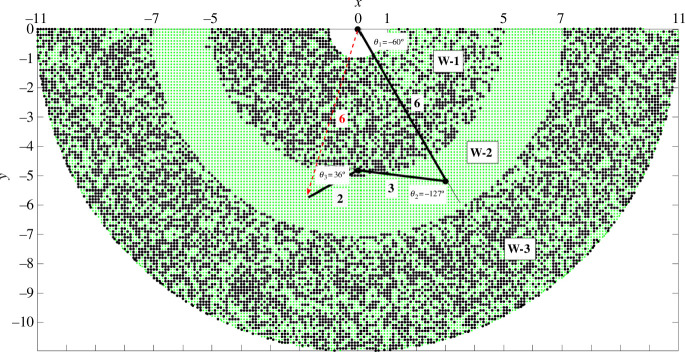 Figure 1
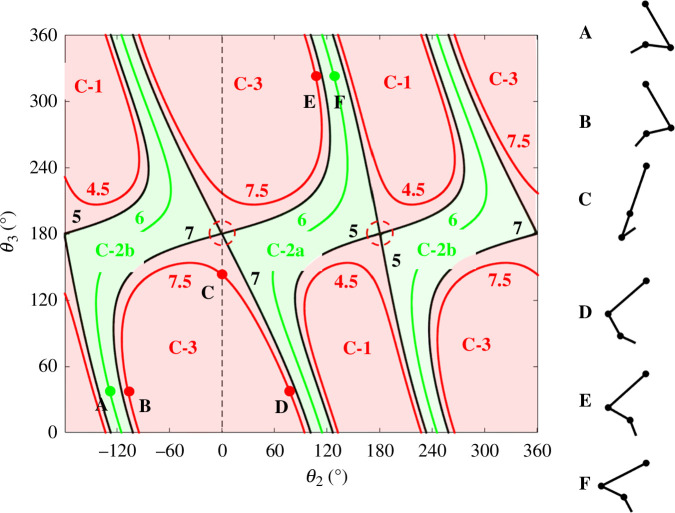 Figure 2
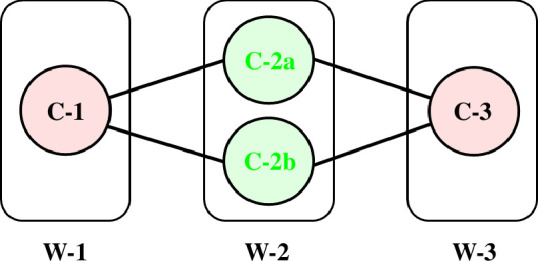 Figure 3
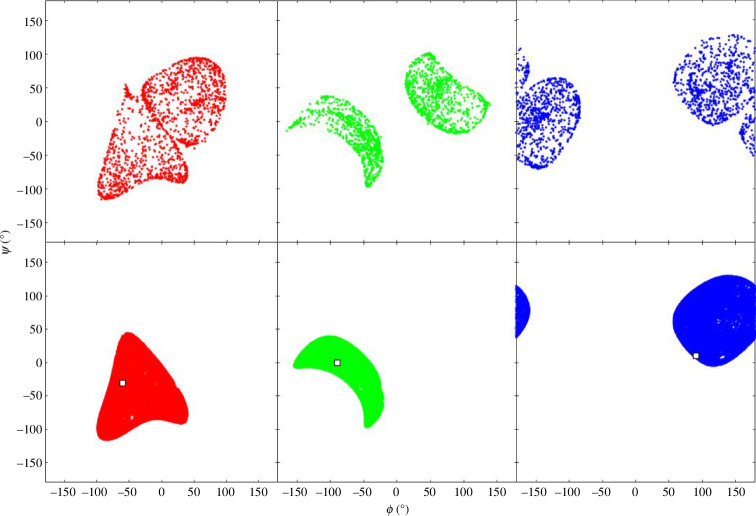 Figure 4
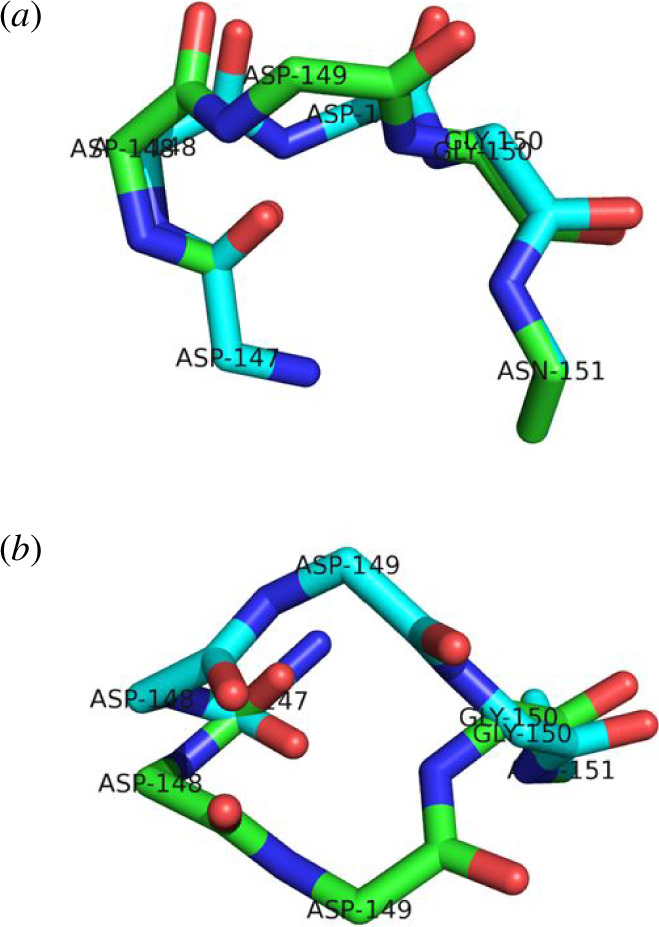 Figure 5
 Figure 6
 Figure 7
 Figure 8
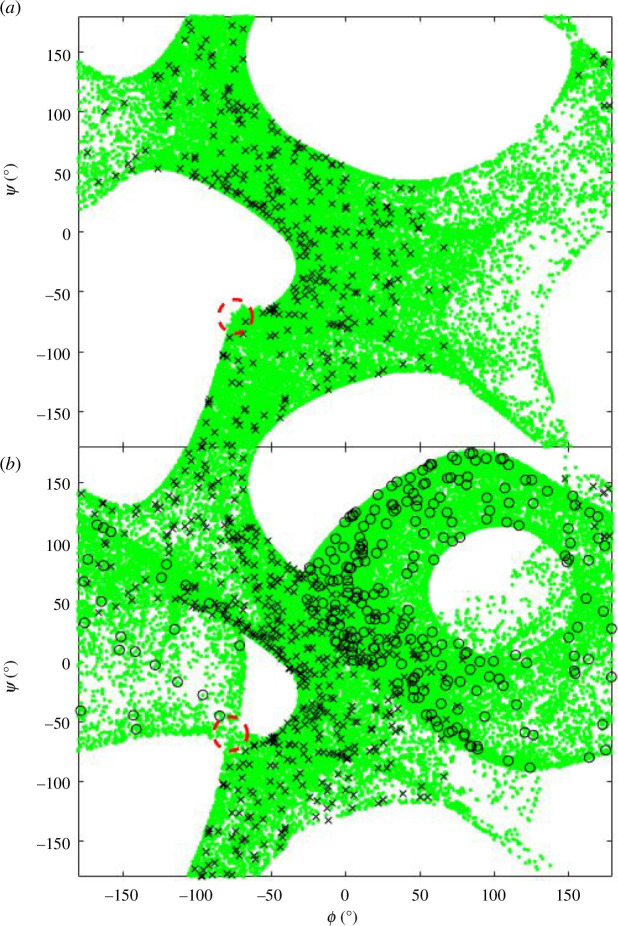 Figure 9
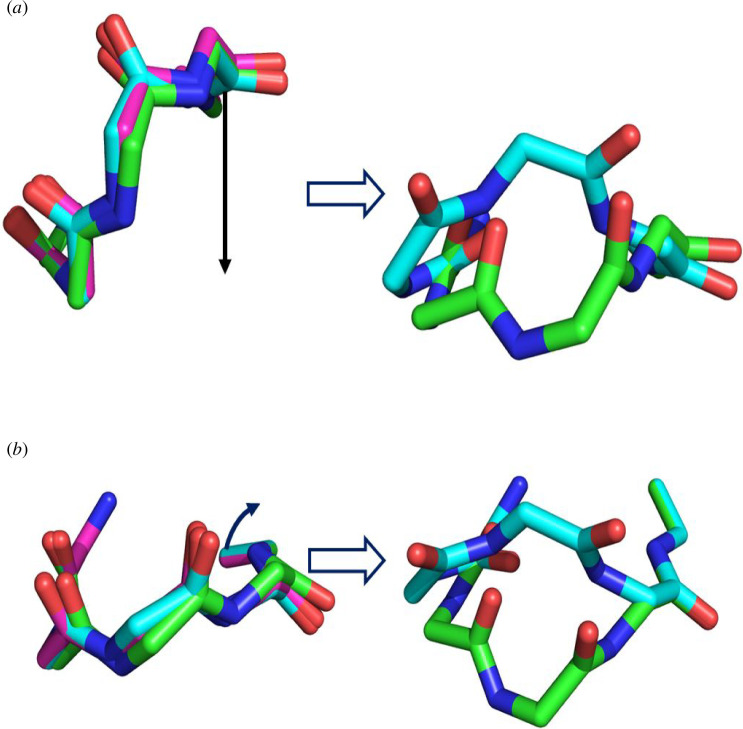 Figure 10
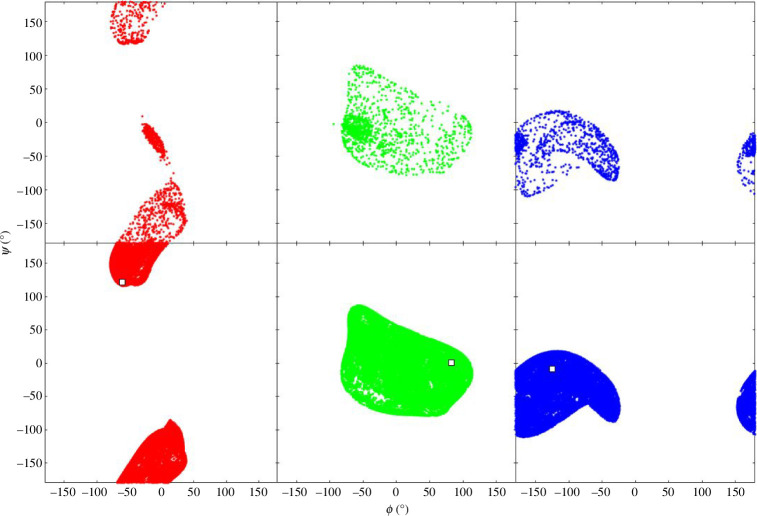 Figure 11
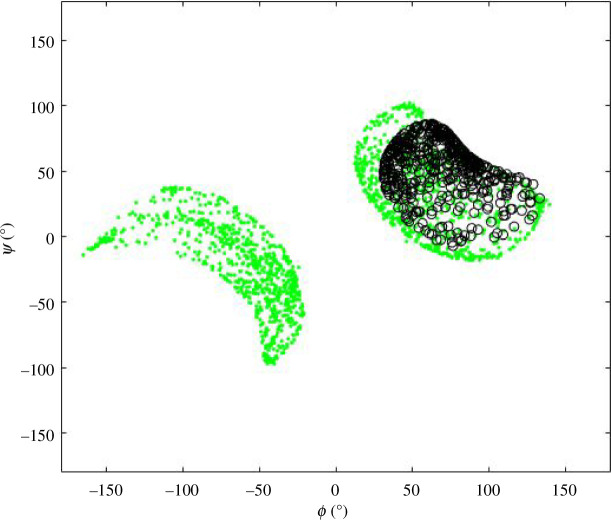 Figure 12
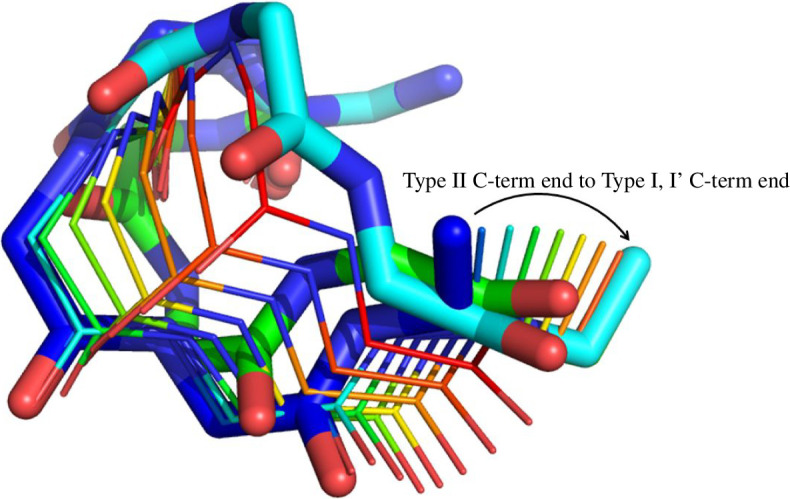 Figure 13
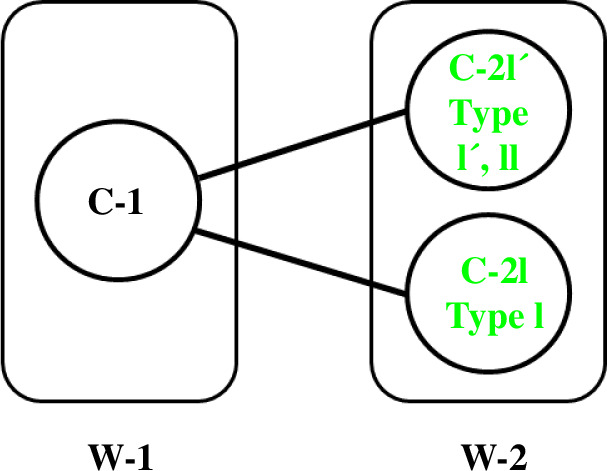 Figure 14
Peer Reviews
No public reviews on file for this paper yet. If you reviewed it on a platform where reviews are public (OpenReview, ICLR, NeurIPS, ICML), you can paste yours below so the community can read it here.
Videos
No videos yet. Explain this paper in a talk, walkthrough, or lecture? Add one.
Taxonomy
TopicsProtein Structure and Dynamics · Enzyme Structure and Function · Hemoglobin structure and function