Anti‐coccidial efficacy of Enteromorpha prolifera polysaccharide in indigenous chickens of Northwest Ethiopia
Bekalu Muluneh, Mengistie Taye, Tadelle Dessie, Dessie Salilew Wondim, Semahegn Yilkal, Fikirtemariam Aregay, Almaz Habtamu, Aschalew Shitu, Halo Yohans, Teketay Wassie, Xin Wu

TL;DR
This study shows that adding a seaweed polysaccharide to chicken feed can reduce coccidiosis symptoms and improve weight gain in local Ethiopian chickens.
Contribution
The study demonstrates the anti-coccidial efficacy of Enteromorpha prolifera polysaccharide in indigenous chickens for the first time.
Findings
EP-supplemented chickens had significantly lower oocyst counts and less severe lesions.
Chickens receiving EP showed 27.27% maximum protection against lesions and higher weight gain.
The highest anti-coccidial index (146.98) was observed in EP-supplemented chickens.
Abstract
A variety of bioactive compounds isolated from various botanical sources have been found to have therapeutic and immunotherapeutic effects on chicken coccidiosis. This study aimed to evaluate the anti‐coccidial potential of Enteromorpha prolifera polysaccharide (EP) in indigenous chickens in Northwest Ethiopia. A total of 78 male indigenous chickens were used for this study. The study had two treatment groups: (1) the EP non‐supplemented group (those fed on diets without EP and Eimeria oocyst inoculated) and (2) the EP group (those receiving diets supplemented with 400 mg EP/kg diet and Eimeria oocyst inoculated). Each treatment group had five replications. Following fourteen days of EP supplementation, 1.5 × 10⁴ oocysts of mixed Eimeria species were inoculated into individual birds. EP‐supplemented chicken showed significantly lower (p < 0.05) oocyst counts compared to…
Genes, proteins, chemicals, diseases, species, mutations and cell lines named across the full text — each resolved to its canonical identifier and authoritative record.
Click any figure to enlarge with its caption.
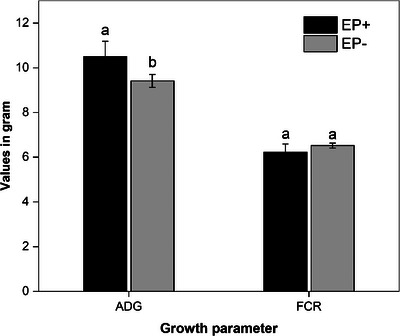 Figure 1
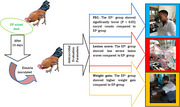 Figure 2
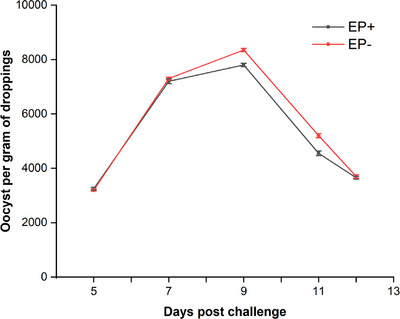 Figure 3
Peer Reviews
No public reviews on file for this paper yet. If you reviewed it on a platform where reviews are public (OpenReview, ICLR, NeurIPS, ICML), you can paste yours below so the community can read it here.
Videos
No videos yet. Explain this paper in a talk, walkthrough, or lecture? Add one.
Taxonomy
TopicsCoccidia and coccidiosis research · Animal Nutrition and Physiology · Veterinary medicine and infectious diseases