Single-cell profiling of surface glycosphingolipids opens a new dimension for deconvolution of breast cancer intratumoral heterogeneity and phenotypic plasticity
Jiřina Procházková, Radek Fedr, Barbora Hradilová, Barbora Kvokačková, Josef Slavík, Ondrej Kováč, Miroslav Machala, Pavel Fabian, Jiří Navrátil, Simona Kráčalíková, Monika Levková, Petra Ovesná, Jan Bouchal, Karel Souček

TL;DR
This study uses single-cell analysis to explore how surface lipids in breast cancer cells reflect tumor diversity and cell plasticity.
Contribution
A 12-color spectral flow cytometry panel was developed to detect glycosphingolipid epitopes and cell markers at the single-cell level in breast cancer.
Findings
Gb3 levels are higher in epithelial cells, while GD2 is elevated in mesenchymal cells.
Surface heterogeneity in GSL epitopes was observed in breast cancer primary tumors.
Phenotype-dependent changes in GSL profiles were found between epithelial and stromal cells.
Abstract
Glycosylated sphingolipids (GSLs) are a diverse group of cellular lipids typically reported as being rare in normal mammary tissue. In breast cancer (BCa), GSLs have emerged as noteworthy markers associated with breast cancer stem cells, mediators of phenotypic plasticity, and contributors to cancer cell chemoresistance. GSLs are potential surface markers that can uniquely characterize the heterogeneity of the tumor microenvironment, including cancer cell subpopulations and epithelial–mesenchymal plasticity (EMP). In this study, mass spectrometry analyses of the total sphingolipidome in breast epithelial cells and their mesenchymal counterparts revealed increased levels of Gb3 in epithelial cells and significantly elevated GD2 levels in the mesenchymal phenotype. To elucidate if GSL-related epitopes on BCa cell surfaces reflect EMP and cancer status, we developed and rigorously…
Genes, proteins, chemicals, diseases, species, mutations and cell lines named across the full text — each resolved to its canonical identifier and authoritative record.
Click any figure to enlarge with its caption.
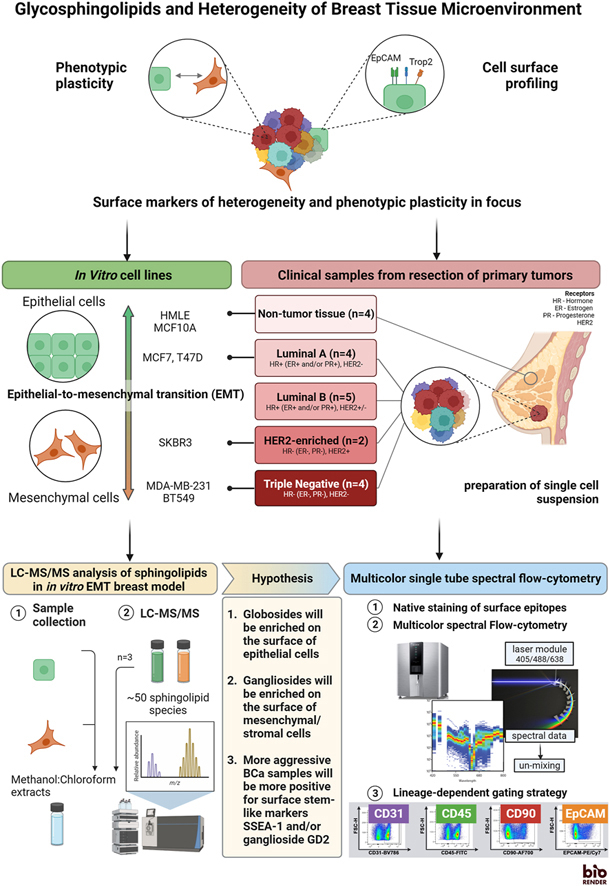 Figure 1
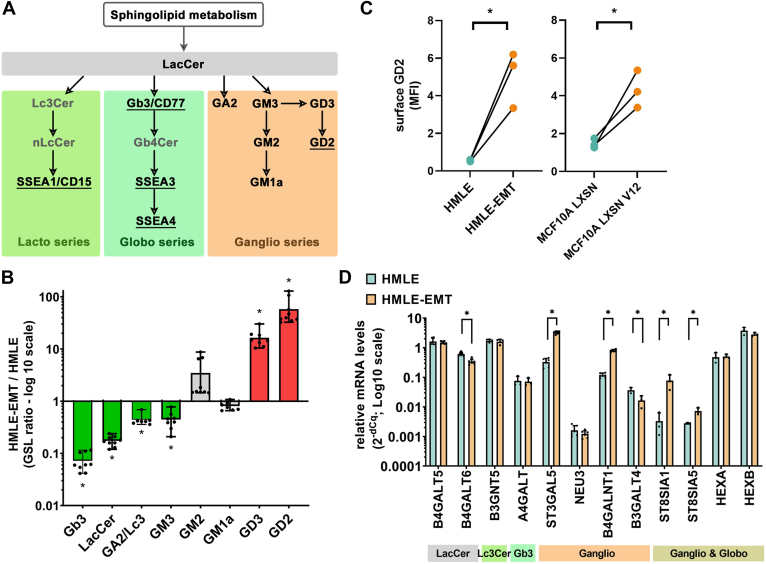 Figure 2
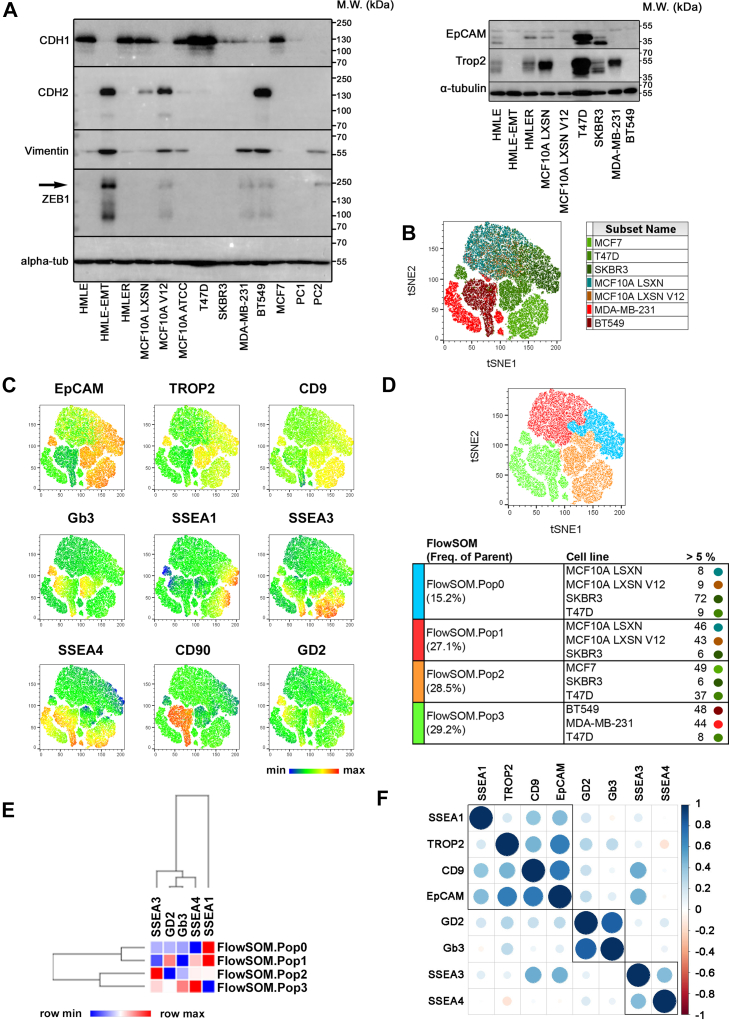 Figure 3
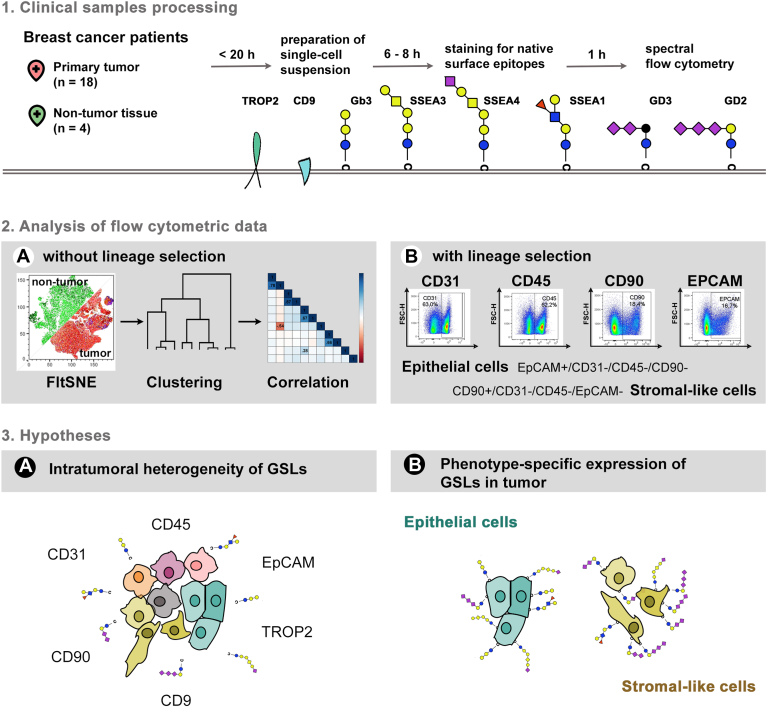 Figure 4
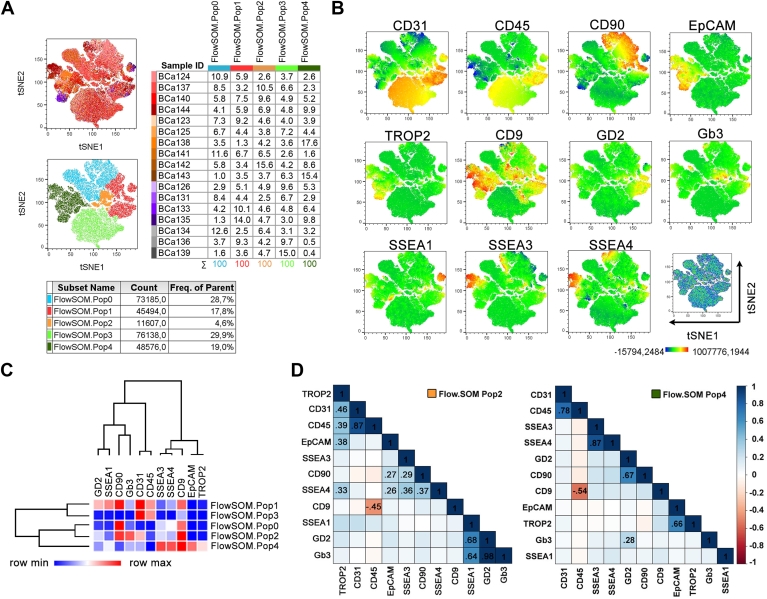 Figure 5
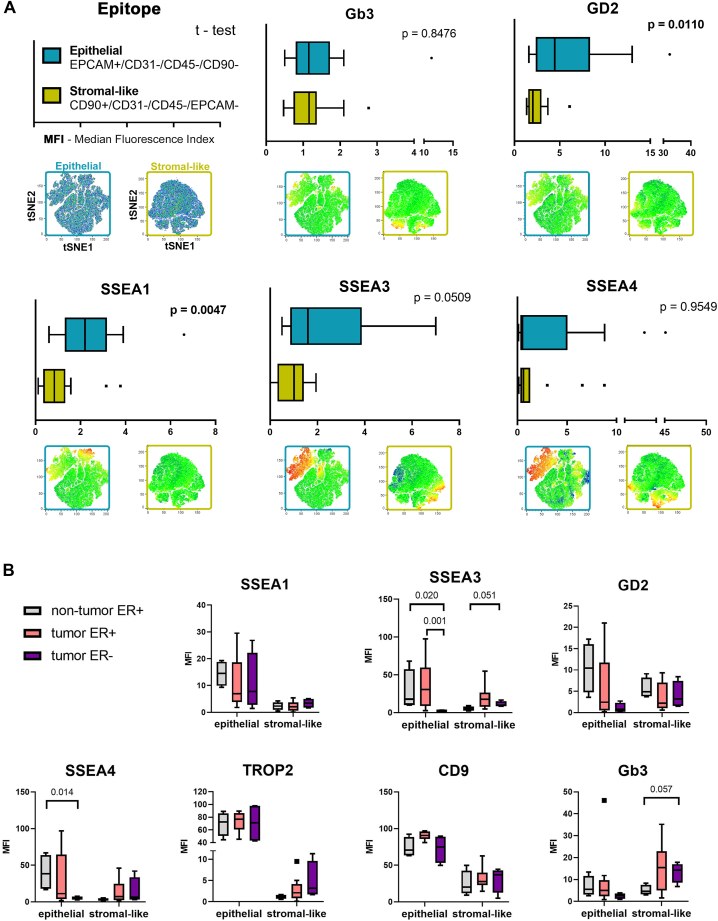 Figure 6
Peer Reviews
No public reviews on file for this paper yet. If you reviewed it on a platform where reviews are public (OpenReview, ICLR, NeurIPS, ICML), you can paste yours below so the community can read it here.
Videos
No videos yet. Explain this paper in a talk, walkthrough, or lecture? Add one.
Taxonomy
TopicsOccupational Health and Safety Research · Quality and Management Systems · Quality and Supply Management