Successful Evolution of Atrial Septal Defect Closure in an Elderly Patient With Complex Cardiovascular Disease
Raul Miranda-Segura, Jose Carlos Armendariz-Ferrari, Pavel Martinez-Dominguez, Maria Jose Santa Ana-Bayona, Enrique C. Guerra, Nilda Espinola-Zavaleta

TL;DR
Closing atrial septal defects in elderly patients with complex heart conditions can improve heart function and overall health.
Contribution
Demonstrates the feasibility and benefits of ASD closure in elderly patients with arrhythmias and pulmonary hypertension.
Findings
ASD closure in elderly patients improves right ventricular remodeling.
ASD closure is feasible in older patients with arrhythmias and pulmonary hypertension.
Clinical and hemodynamic status improves after ASD closure.
Abstract
•ASD closure in elderly patients improves RV remodeling.•ASD closure is feasible in older patients with arrhythmias and pulmonary hypertension.•Clinical and hemodynamic status is improved after ASD closure. ASD closure in elderly patients improves RV remodeling. ASD closure is feasible in older patients with arrhythmias and pulmonary hypertension. Clinical and hemodynamic status is improved after ASD closure.
Genes, proteins, chemicals, diseases, species, mutations and cell lines named across the full text — each resolved to its canonical identifier and authoritative record.
Click any figure to enlarge with its caption.
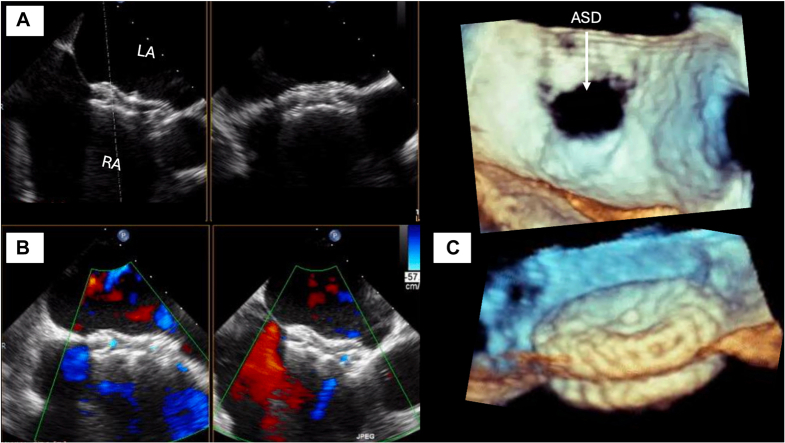 Figure 1
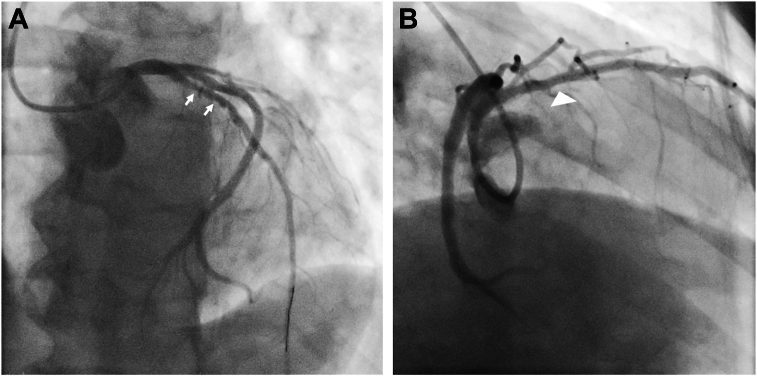 Figure 2
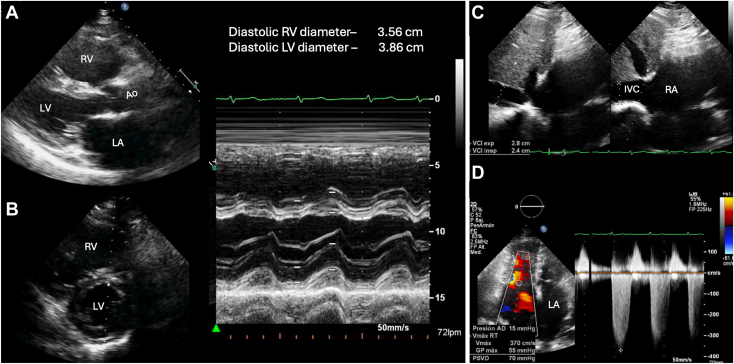 Figure 3
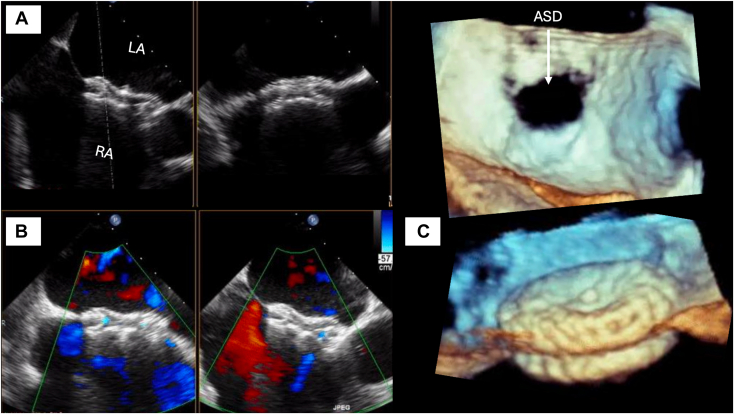 Figure 4
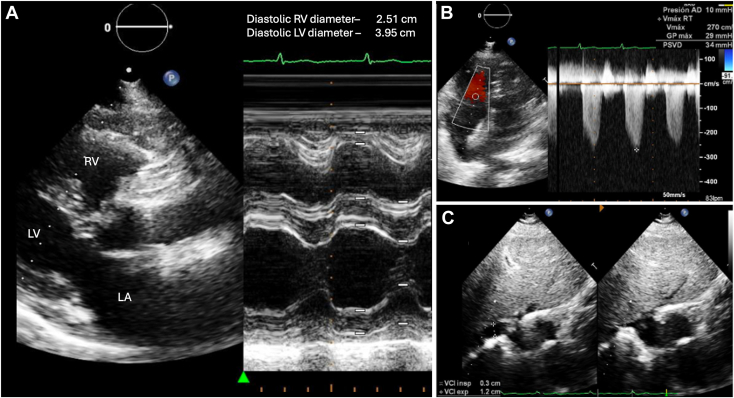 Figure 5
Peer Reviews
No public reviews on file for this paper yet. If you reviewed it on a platform where reviews are public (OpenReview, ICLR, NeurIPS, ICML), you can paste yours below so the community can read it here.
Videos
No videos yet. Explain this paper in a talk, walkthrough, or lecture? Add one.
Taxonomy
TopicsCardiovascular and Diving-Related Complications · Congenital Heart Disease Studies · Cardiac Valve Diseases and Treatments