Population genetics and evolutionary history of the intertidal brittle star Ophiothrix (Ophiothrix) exigua in the northern China Sea
Qian Zhang, Xuying Hu, Zongjing Deng, Yixuan Li, Yue Dong, Chen Han, Xiaoqi Zeng, Ning Xiao, Xuelei Zhang, Qinzeng Xu

TL;DR
This study explores the genetic diversity and evolutionary history of the brittle star Ophiothrix exigua in the northern China Sea, finding high genetic diversity and low differentiation among populations.
Contribution
The study provides new insights into the population genetics and Pleistocene demographic history of Ophiothrix exigua in the northwestern Pacific.
Findings
High haplotype diversity and low nucleotide diversity were observed among Ophiothrix exigua populations.
Low genetic differentiation and strong gene flow were detected between populations in the study area.
Demographic expansion around 0.2 million years ago was likely linked to Pleistocene transgressions in the Yellow Sea.
Abstract
Ophiothrix (Ophiothrix) exigua is a common brittle star in the northwestern Pacific. As a dominant species, O. exigua inhabiting the intertidal rocky ecosystem are affected by multiple environmental stressors, but molecular insights into their genetic population structure remain poorly studied. In this study, we investigated the population genetics and evolutionary history of six O. exigua populations from the northern China Sea using mitochondrial (COI, NAD4) and nuclear (ITS2, 18S) gene markers. High haplotype diversity, low nucleotide diversity, and low rates of gene differentiation among the populations of O. exigua were detected. Pairwise genetic differentiation (ΦST) statistics between different localities were negative or low and insignificant, suggesting strong gene flow of this species over the study areas. The phylogenetic analyses showed that the populations exhibited high…
Genes, proteins, chemicals, diseases, species, mutations and cell lines named across the full text — each resolved to its canonical identifier and authoritative record.
Click any figure to enlarge with its caption.
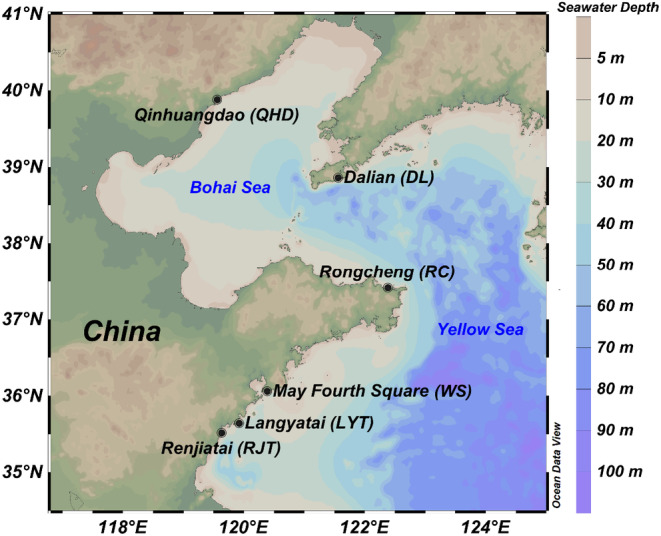 Figure 1
 Figure 2
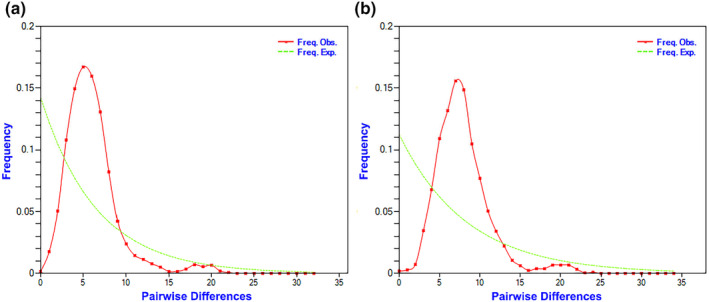 Figure 3
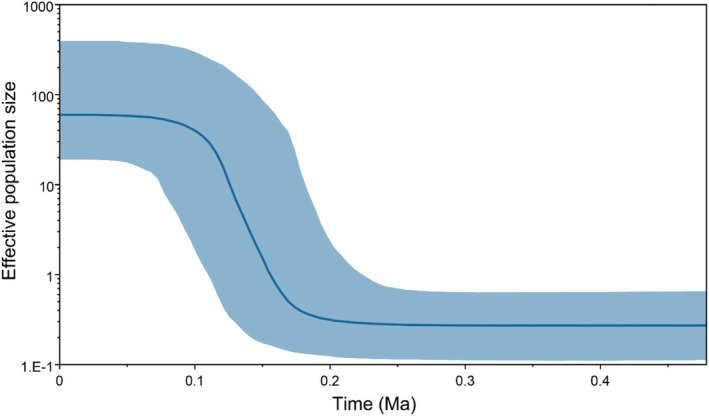 Figure 4
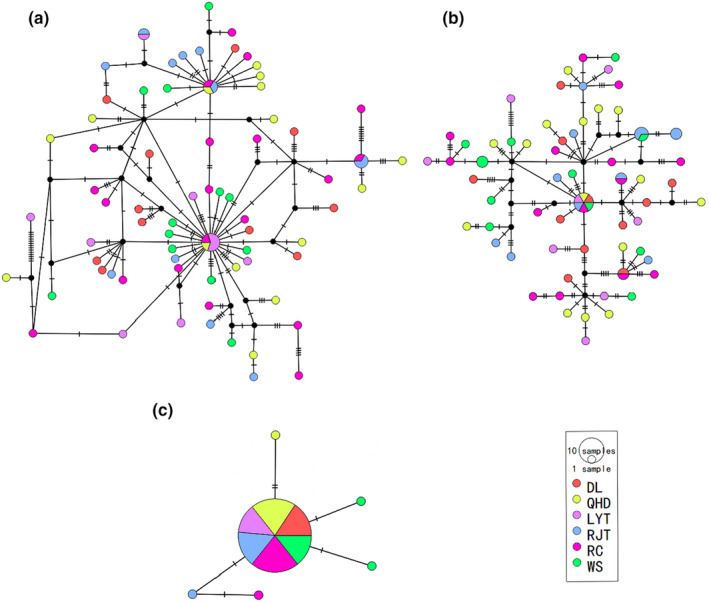 Figure 5
Peer Reviews
No public reviews on file for this paper yet. If you reviewed it on a platform where reviews are public (OpenReview, ICLR, NeurIPS, ICML), you can paste yours below so the community can read it here.
Videos
No videos yet. Explain this paper in a talk, walkthrough, or lecture? Add one.
Taxonomy
TopicsMarine and coastal plant biology · Marine Biology and Ecology Research · Echinoderm biology and ecology