Mechanism of Genome Editing Tools and Their Application on Genetic Inheritance Disorders
Dae Hwan Oh

TL;DR
This paper reviews genome editing tools like CRISPR and their use in treating genetic disorders, highlighting new approaches to improve treatment efficiency.
Contribution
The paper introduces new approaches in gene therapy to enhance treatment efficiency for genetic disorders.
Findings
CRISPR-based tools have evolved to include base and prime editors for more precise gene editing.
Adeno-associated virus (AAV) vectors are widely used in gene therapy but have limitations like limited capacity and immunogenicity.
Different genetic disorders may require different genome editing approaches due to variations in single-base pair variants.
Abstract
In the fields of medicine and bioscience, gene editing is increasingly recognized as a promising therapeutic approach for treating pathogenic variants in humans and other living organisms. With advancements in technology and knowledge, it is now understood that most genetic defects are caused by single-base pair variants. The ability to substitute genes using genome editing tools enables scientists and doctors to cure genetic diseases and disorders. Starting with CRISPR (clustered regularly interspaced short palindromic repeats)/Cas, the technology has evolved to become more efficient and safer, leading to the development of base and prime editors. Furthermore, various approaches are used to treat genetic disorders such as hemophilia, cystic fibrosis, and Duchenne muscular dystrophy. As previously mentioned, most genetic defects leading to specific diseases are caused by single-base…
Genes, proteins, chemicals, diseases, species, mutations and cell lines named across the full text — each resolved to its canonical identifier and authoritative record.
Click any figure to enlarge with its caption.
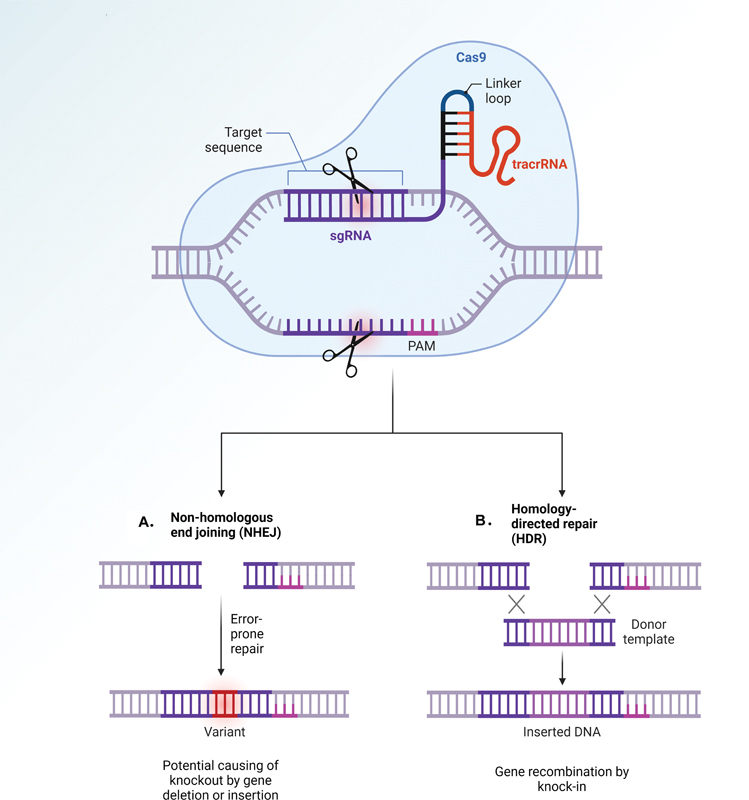 Figure 1
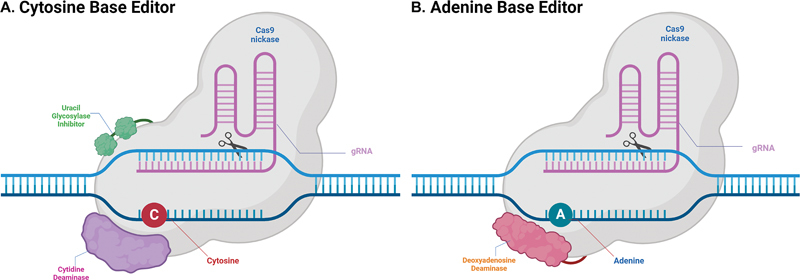 Figure 2
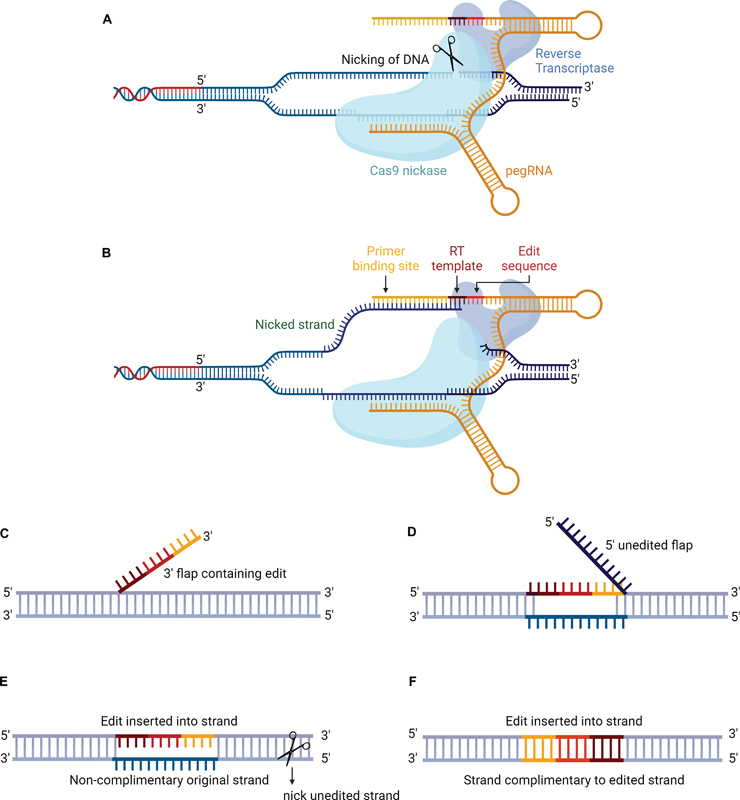 Figure 3
Peer Reviews
No public reviews on file for this paper yet. If you reviewed it on a platform where reviews are public (OpenReview, ICLR, NeurIPS, ICML), you can paste yours below so the community can read it here.
Videos
No videos yet. Explain this paper in a talk, walkthrough, or lecture? Add one.
Taxonomy
TopicsTemporomandibular Joint Disorders · Orthodontics and Dentofacial Orthopedics · Oropharyngeal Anatomy and Pathologies