Outcomes of Outpatient Versus Inpatient Induction of Labor: A Systematic Review and Meta-Analysis
Mohammed Mustafa, Mohamed Babiker, Fatema Abusin, Tamador Mohammed, Tarig Awadalla

TL;DR
This study compares outpatient and inpatient labor induction and finds similar outcomes, with outpatient care offering shorter hospital stays and no safety issues.
Contribution
The study provides a systematic review and meta-analysis showing outpatient labor induction is safe and effective compared to inpatient methods.
Findings
Outpatient and inpatient induction had similar cesarean section and vaginal delivery rates.
Outpatient induction led to shorter hospital stays and lower cesarean rates when using a Foley catheter.
No safety concerns were identified with outpatient labor induction.
Abstract
Induction of labor (IOL) has become a common practice in obstetrics, leading to an increase in antenatal admissions and workload. This review aims to explore the available options for outpatient IOL and their effectiveness. We conducted an electronic search for trials on Cochrane, PubMed, Google Scholar, and Web of Science databases for randomized control trials (RCTs) comparing inpatient and outpatient labor induction and covering the period until 2024. We selected randomized trials that compared IOL in outpatient vs. inpatient settings and involved mechanical or hormonal agents. The participants were pregnant women with singleton fetuses who were more than 37 weeks and low risk for IOL with a Bishop score <6. When comparing outpatient and inpatient induction methods, we found no significant differences in cesarean section rates and vaginal delivery. Outpatient induction generally…
Genes, proteins, chemicals, diseases, species, mutations and cell lines named across the full text — each resolved to its canonical identifier and authoritative record.
Click any figure to enlarge with its caption.
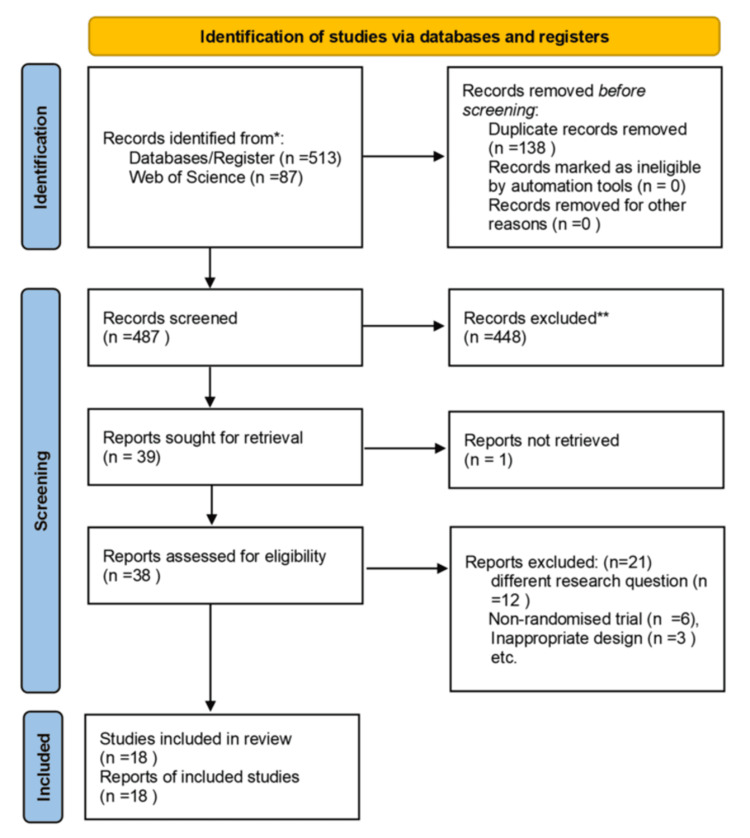 Figure 1
 Figure 2
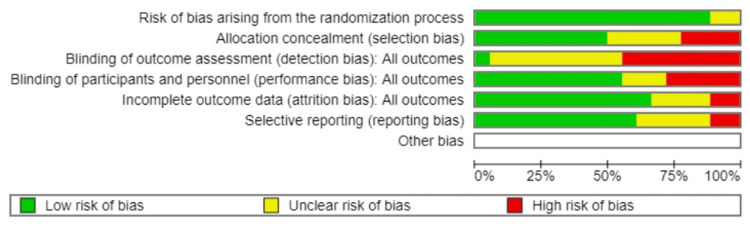 Figure 3
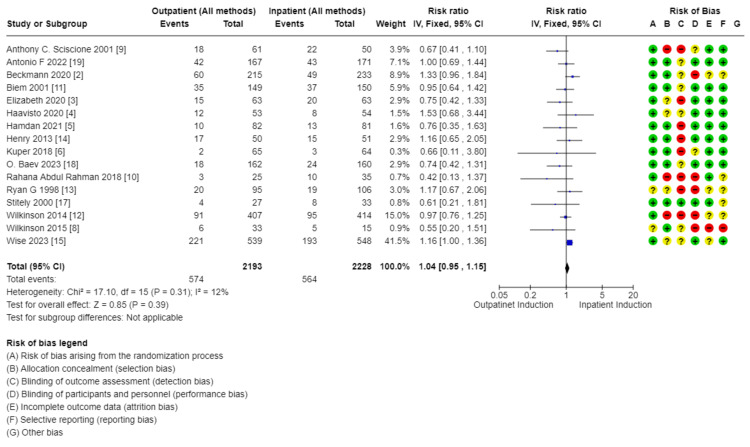 Figure 4
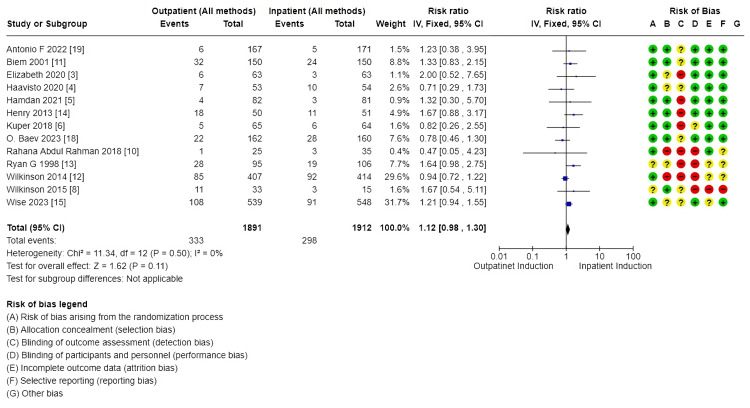 Figure 5
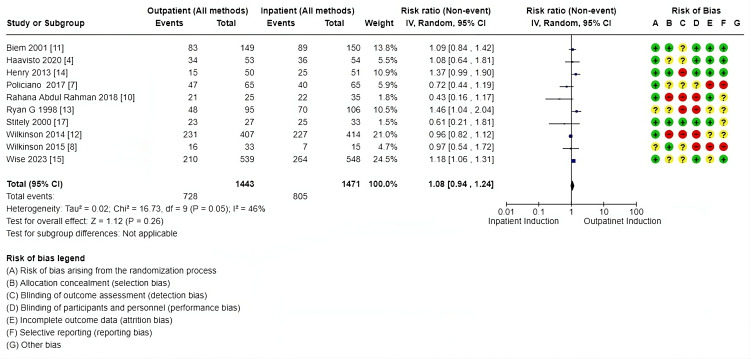 Figure 6
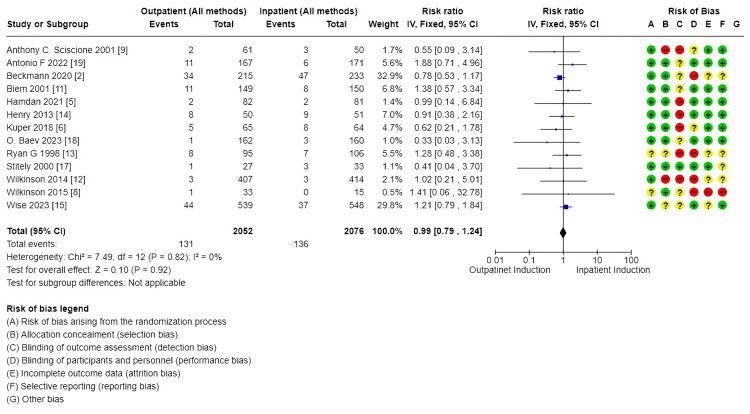 Figure 7
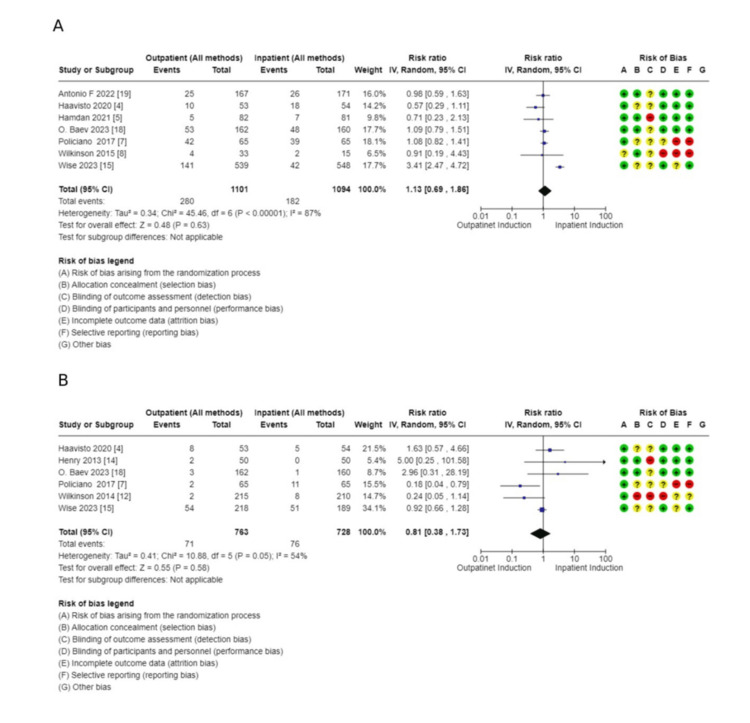 Figure 8
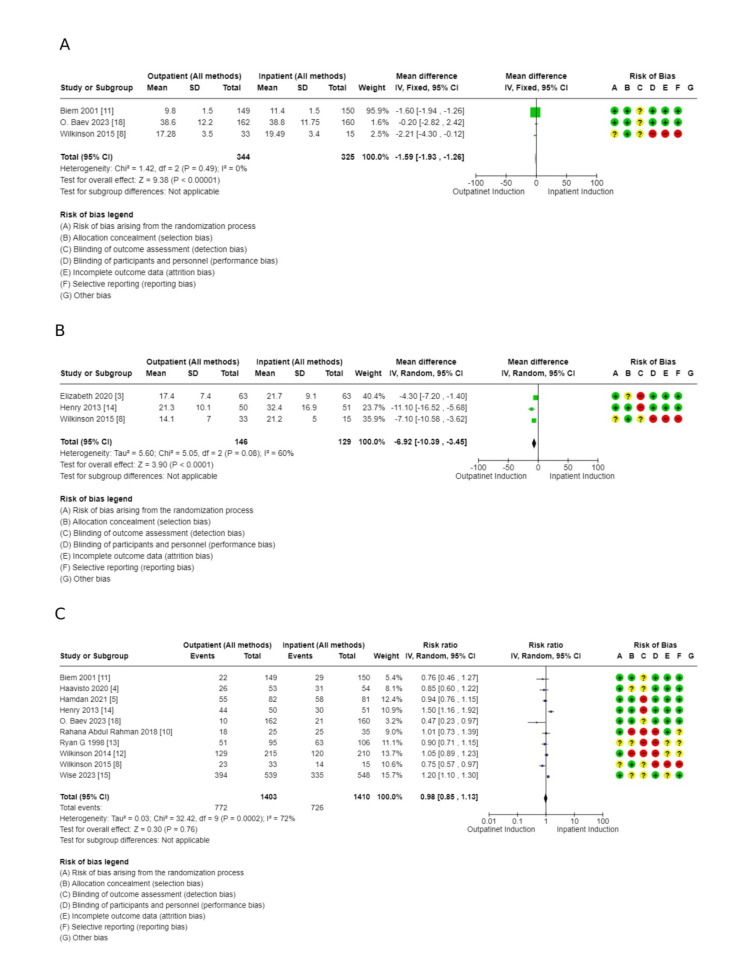 Figure 9
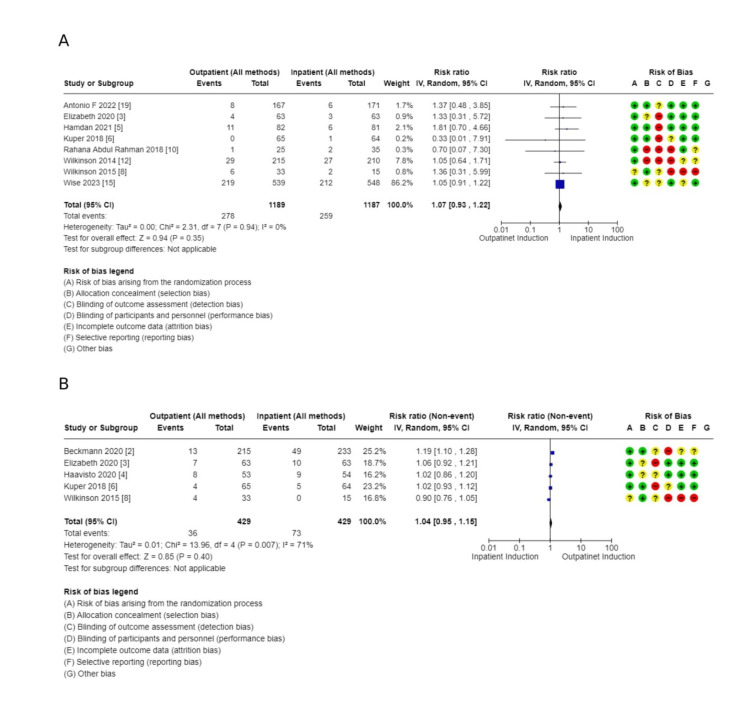 Figure 10
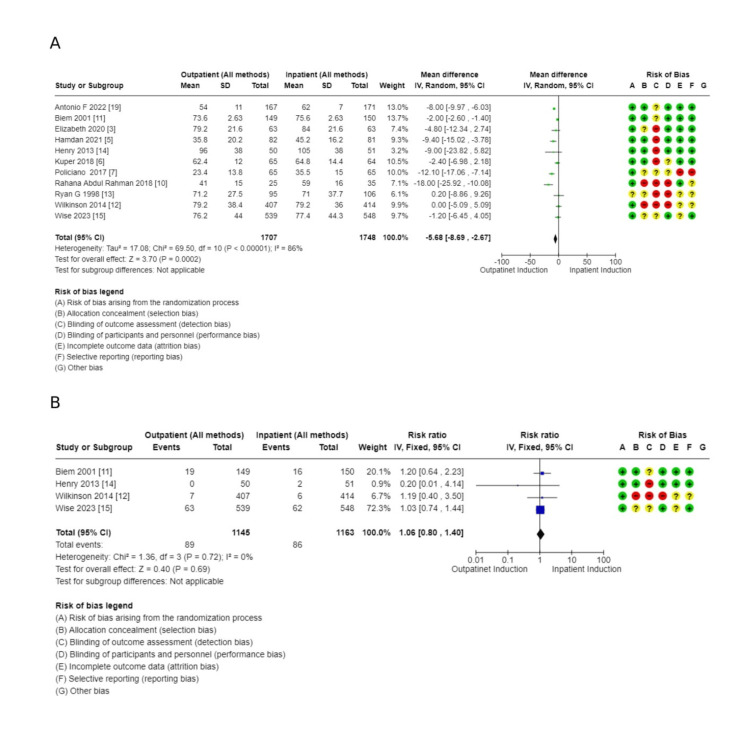 Figure 11
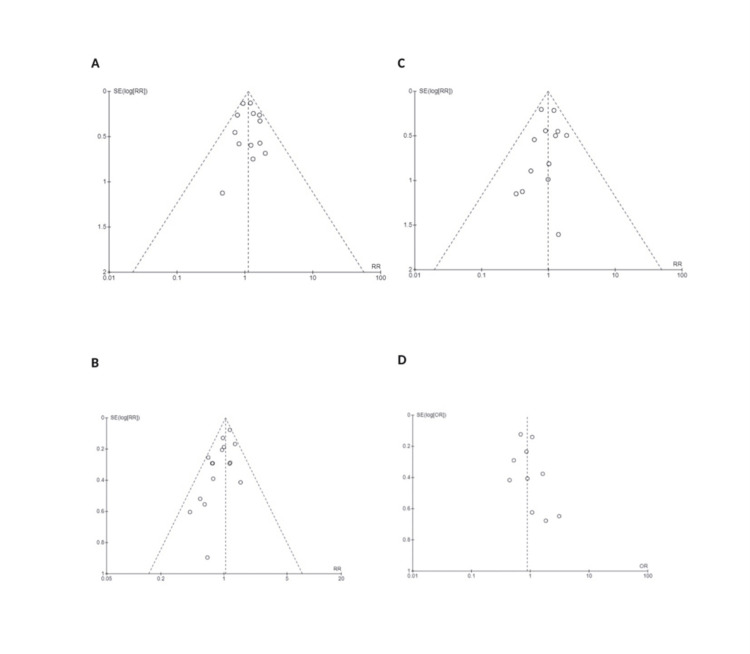 Figure 12
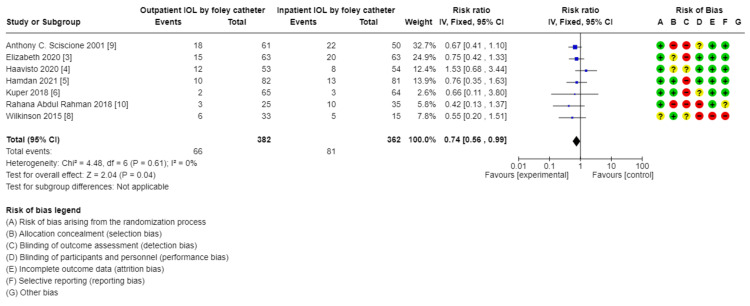 Figure 13
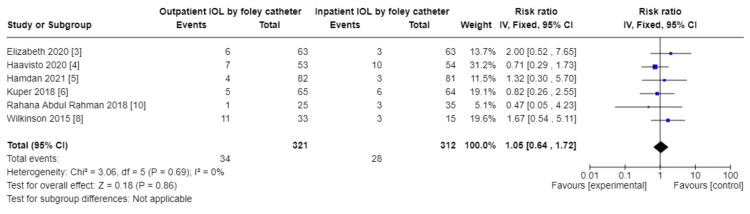 Figure 14
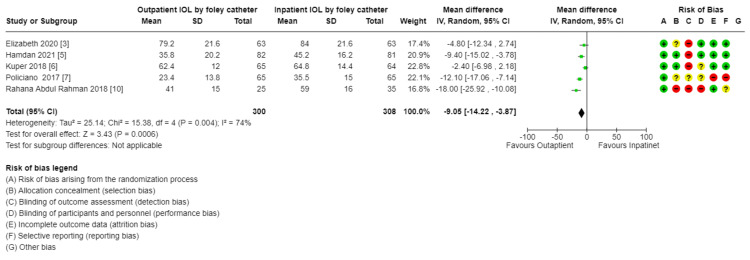 Figure 15
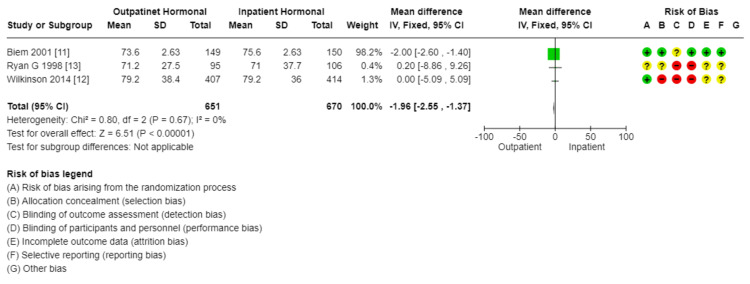 Figure 16
 Figure 17
Peer Reviews
No public reviews on file for this paper yet. If you reviewed it on a platform where reviews are public (OpenReview, ICLR, NeurIPS, ICML), you can paste yours below so the community can read it here.
Videos
No videos yet. Explain this paper in a talk, walkthrough, or lecture? Add one.
Taxonomy
TopicsMaternal and Perinatal Health Interventions · Maternal and fetal healthcare · Assisted Reproductive Technology and Twin Pregnancy