Metal-free double azide addition to strained alkynes of an octadehydrodibenzo[12]annulene derivative with electron-withdrawing substituents
Naoki Takeda, Shuichi Akasaka, Susumu Kawauchi, Tsuyoshi Michinobu

TL;DR
This paper introduces a new chemical method for efficiently linking molecules without metals, using specially designed compounds.
Contribution
The novel use of electron-withdrawing substituents in octadehydrodibenzo[12]annulene derivatives to enhance strain-promoted azide–alkyne cycloaddition.
Findings
Electron-withdrawing substituents increase the reaction rate of double azide addition.
New octadehydrodibenzo[12]annulene derivatives were synthesized and applied in polymer crosslinking.
The method is regioselective and metal-free, suitable for bioconjugation and materials research.
Abstract
Strain-promoted azide–alkyne cycloaddition (SpAAC) is a powerful tool in the field of bioconjugation and materials research. We previously reported a regioselective double addition of organic azides to octadehydrodibenzo[12]annulene derivatives with electron-rich alkyloxy substituents. In order to increase the reaction rate, electron-withdrawing substituents were introduced into octadehydrodibenzo[12]annulene. In this report, the synthesis of new octadehydrodibenzo[12]annulene derivatives, regioselective double addition of organic azides, and an application to crosslinking polymers are described.
Genes, proteins, chemicals, diseases, species, mutations and cell lines named across the full text — each resolved to its canonical identifier and authoritative record.
Click any figure to enlarge with its caption.
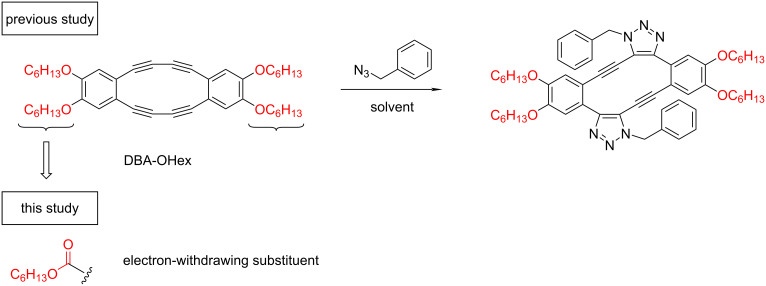 Figure 1
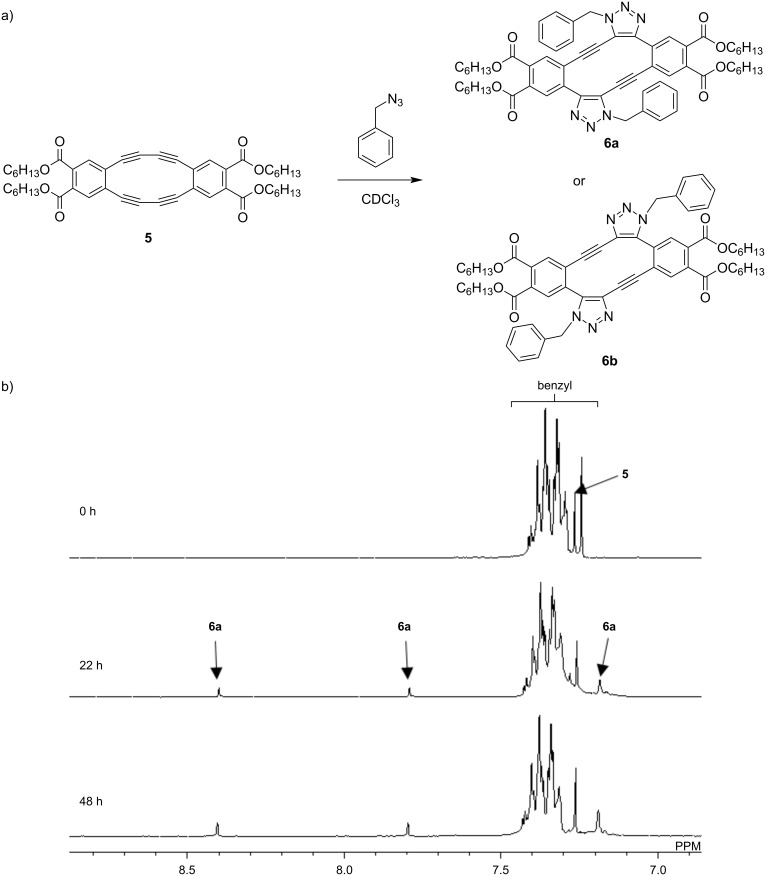 Figure 2
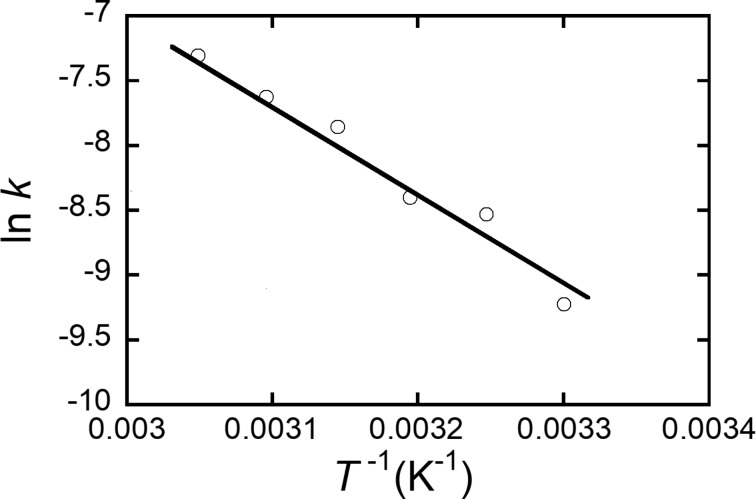 Figure 3
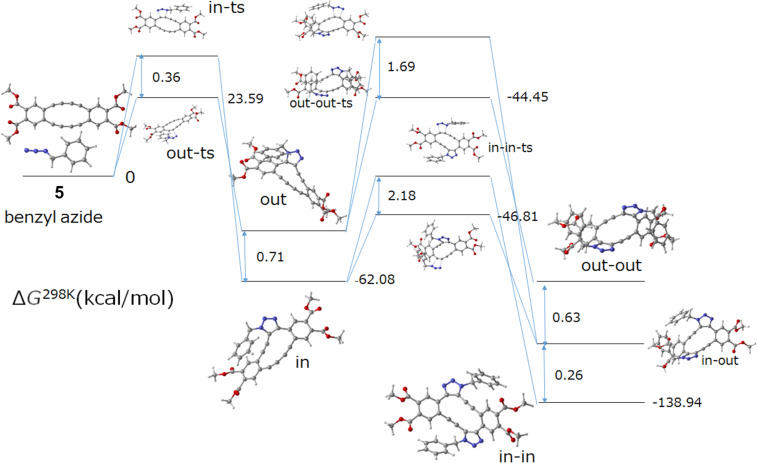 Figure 4
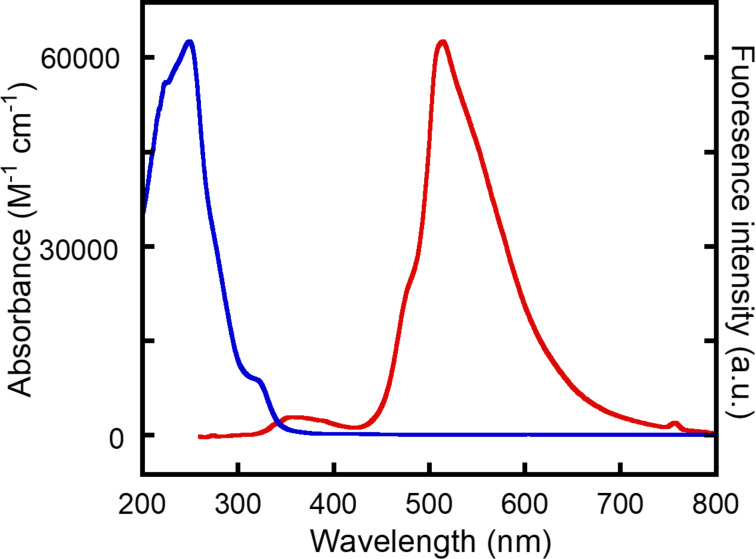 Figure 5
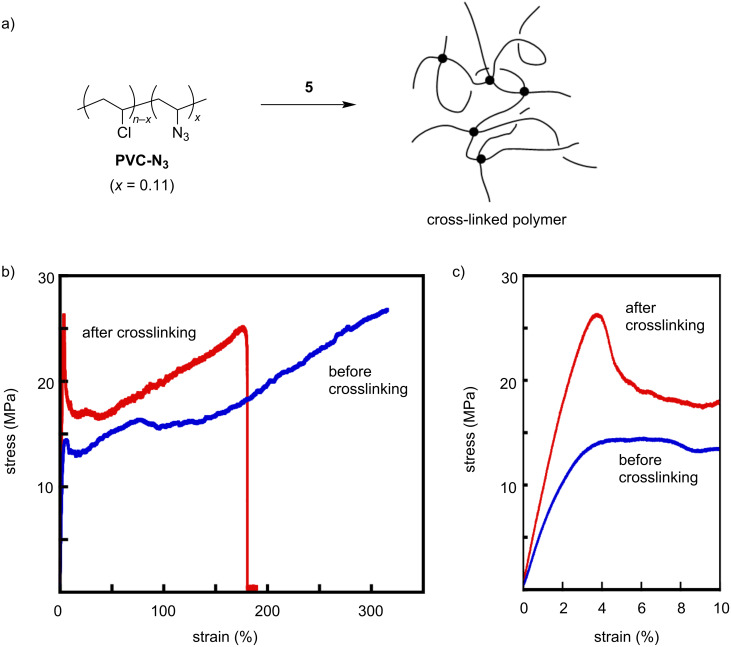 Figure 6
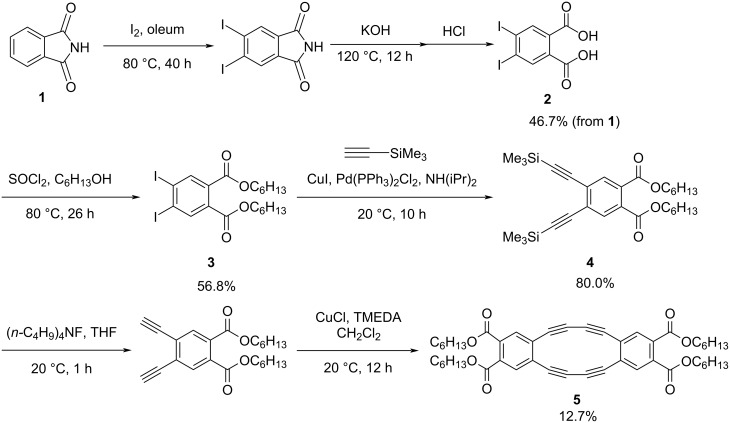 Figure 7
Peer Reviews
No public reviews on file for this paper yet. If you reviewed it on a platform where reviews are public (OpenReview, ICLR, NeurIPS, ICML), you can paste yours below so the community can read it here.
Videos
No videos yet. Explain this paper in a talk, walkthrough, or lecture? Add one.
Taxonomy
TopicsClick Chemistry and Applications · Molecular Junctions and Nanostructures · Organic Electronics and Photovoltaics